These brown crusty spots keep showing up, and my doctor is booked for weeks given Christmas. Should I be concerned?
Tips 21/12/2025 22:19

A crusty spot on your skin that repeatedly scabs over, heals slightly, and then reopens can understandably cause concern. While it’s not always possible to see a healthcare professional right away, this type of skin change should never be ignored. Persistent lesions can signal anything from chronic irritation to more serious underlying conditions.
By understanding the possible causes and learning how to care for your skin safely at home, you can reduce further irritation while staying alert to warning signs. This article explores why a recurring crusty spot deserves attention, explains actinic keratosis—the most common cause—and reviews other possibilities, along with practical interim care steps.
When a skin spot repeatedly scabs and reopens, it may indicate ongoing damage at the cellular level. Unlike a typical cut or scrape, a lesion that fails to heal normally could point to a precancerous condition or early-stage skin cancer.
You should monitor the spot carefully for changes in size, shape, color, texture, or sensation. Warning signs include irregular borders, uneven coloring, bleeding without injury, or a diameter larger than about 6 millimeters. Early evaluation greatly improves outcomes, so persistent lesions should always be taken seriously.
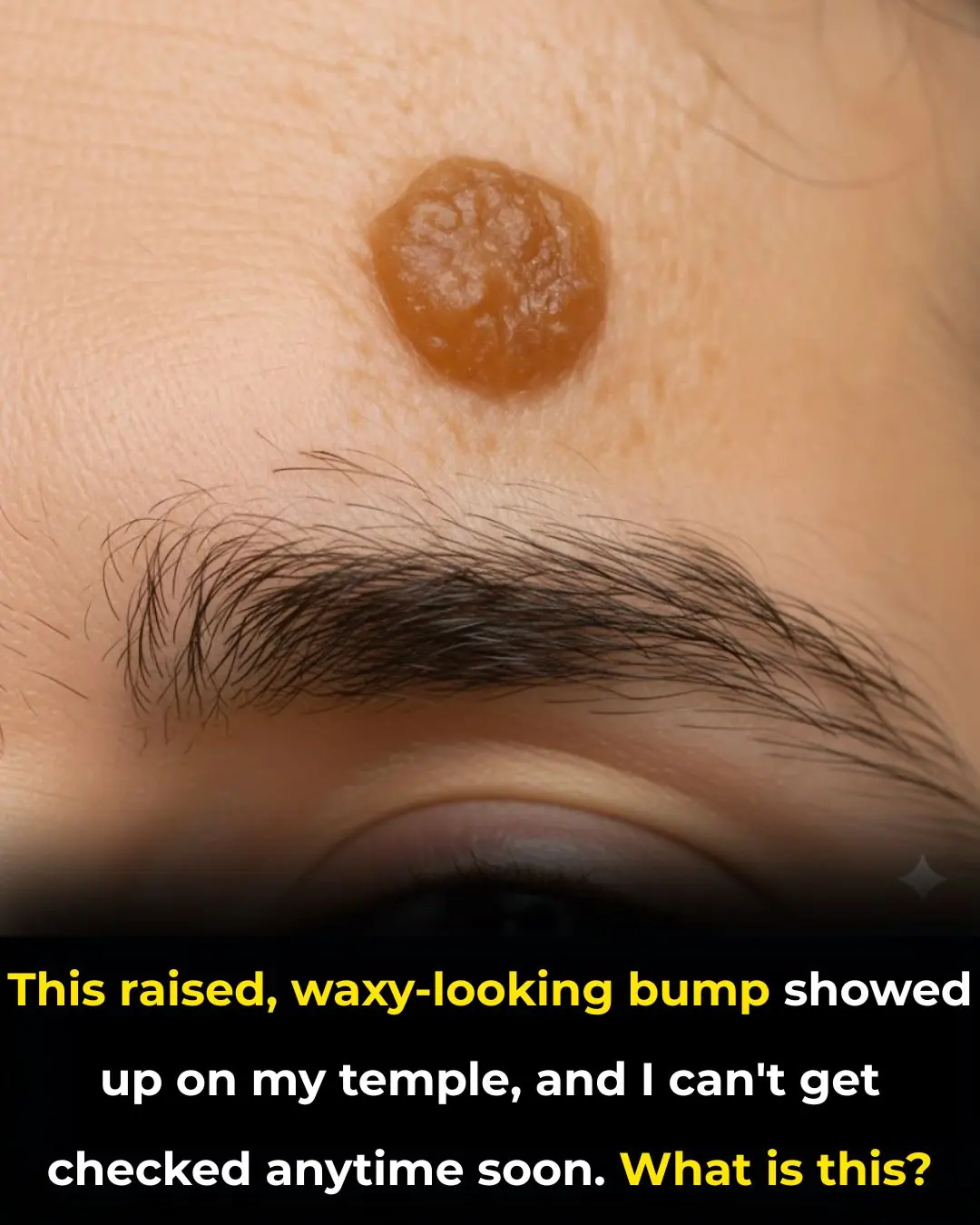
Actinic keratosis (AK) is one of the most frequent causes of recurring, crusty skin patches. These lesions usually develop on sun-exposed areas such as the face, scalp, ears, forearms, and hands. They may appear rough, dry, scaly, or slightly raised and often feel more noticeable by touch than sight.
Actinic keratosis is considered precancerous, meaning it has the potential to progress into squamous cell carcinoma if left untreated. While not all AK lesions become cancerous, their presence indicates significant cumulative sun damage and an increased overall risk of skin cancer.
Ultraviolet (UV) radiation from the sun or tanning beds damages skin cell DNA over time. This damage accumulates silently for years, especially in people with fair skin, light hair, or a history of frequent sun exposure or sunburns.
When skin cells lose their ability to repair properly, abnormal cells can multiply, leading to actinic keratosis. These lesions tend to appear later in life, even though the damage often began decades earlier.
In real life, actinic keratosis can look different from person to person. Common features include:
Rough, sandpaper-like texture
Red, pink, brown, or flesh-colored patches
Mild itching, burning, or tenderness
Occasional bleeding or crusting
Lesions are usually small but may grow larger or become thicker over time. Many people have multiple spots, often clustered in areas with heavy sun exposure.
A scab that never fully heals can sometimes be an early sign of basal cell carcinoma or squamous cell carcinoma. These cancers often appear as sores that bleed, crust over, heal partially, and then return.
Any lesion that persists for more than a few weeks, especially if it bleeds easily or becomes painful, should be examined by a professional. Early skin cancers are highly treatable, but delays can allow deeper tissue involvement.
Not every persistent scab is related to sun damage or cancer. Other common causes include:
Eczema, which leads to dry, itchy, inflamed skin
Psoriasis, characterized by thick, scaly patches
Contact dermatitis from allergens or irritants
Repeated friction or scratching
Minor infections or insect bites
The appearance, location, and behavior of the lesion can help differentiate these causes, but a medical evaluation is often necessary for confirmation.
Online skincare trends often promote quick fixes using harsh or unproven methods. Applying substances like lemon juice, vinegar, baking soda, or undiluted essential oils can damage the skin barrier and worsen inflammation.
Over-exfoliating or using strong acids without guidance may delay healing and increase infection risk. When dealing with a persistent lesion, gentle care is always safer than aggressive experimentation.
If you’re waiting to see a healthcare provider, you can protect your skin by:
Gently cleansing with fragrance-free products
Keeping the area moisturized with a bland ointment
Avoiding picking, scratching, or peeling the scab
Using a broad-spectrum sunscreen (SPF 30 or higher)
Applying a cool compress if the area is irritated
These steps help reduce inflammation and prevent further damage without masking important symptoms.
Seek urgent medical help if you notice:
Rapid growth or sudden color changes
Unexplained bleeding or oozing
Severe pain or swelling
Signs of infection such as pus or spreading redness
Fever, chills, or unexplained weight loss
These symptoms may indicate infection or a more serious condition that needs immediate evaluation.
Dermatologists typically diagnose actinic keratosis through visual examination, sometimes supported by a skin biopsy. Treatment options vary and may include:
Cryotherapy (freezing)
Topical prescription medications
Photodynamic therapy
Surgical removal in select cases
Regular follow-up is important, as new lesions may develop over time.
Long-term prevention focuses on sun protection and healthy habits:
Apply sunscreen daily, even in winter
Wear protective clothing and wide-brimmed hats
Avoid tanning beds entirely
Seek shade during peak sunlight hours
Consistent sun protection significantly reduces the risk of actinic keratosis and skin cancer.
When you see a healthcare provider, consider asking:
What is the most likely diagnosis?
Do I need a biopsy?
What treatment options are best for me?
How often should my skin be checked?
What signs should prompt a return visit?
Understanding your condition empowers you to take an active role in protecting your skin health.
A crusty spot that keeps scabbing and reopening is your skin’s way of signaling that something isn’t right. While many causes are manageable, early awareness and professional evaluation are essential. With proper care, monitoring, and prevention, you can protect your skin and reduce the risk of long-term complications.