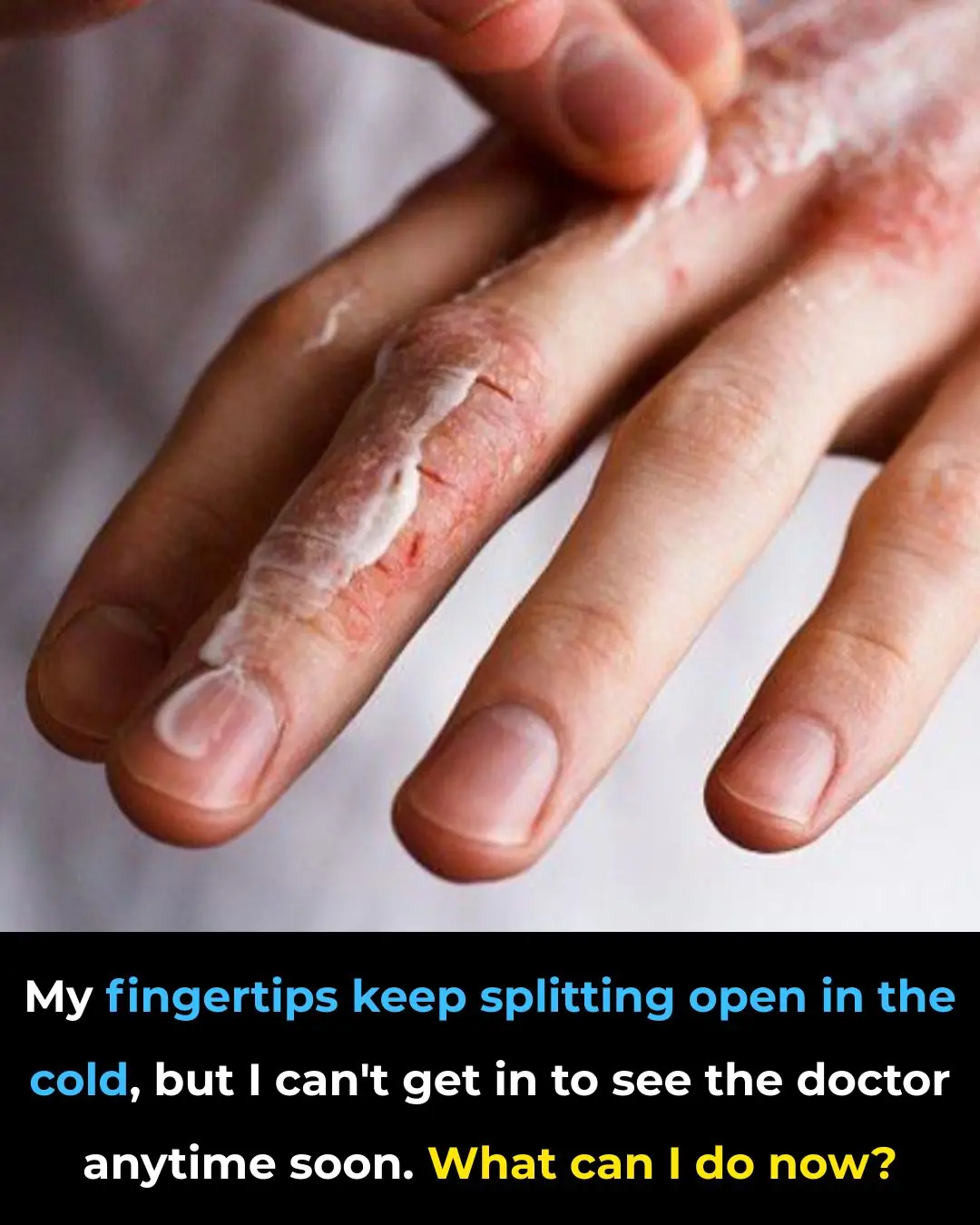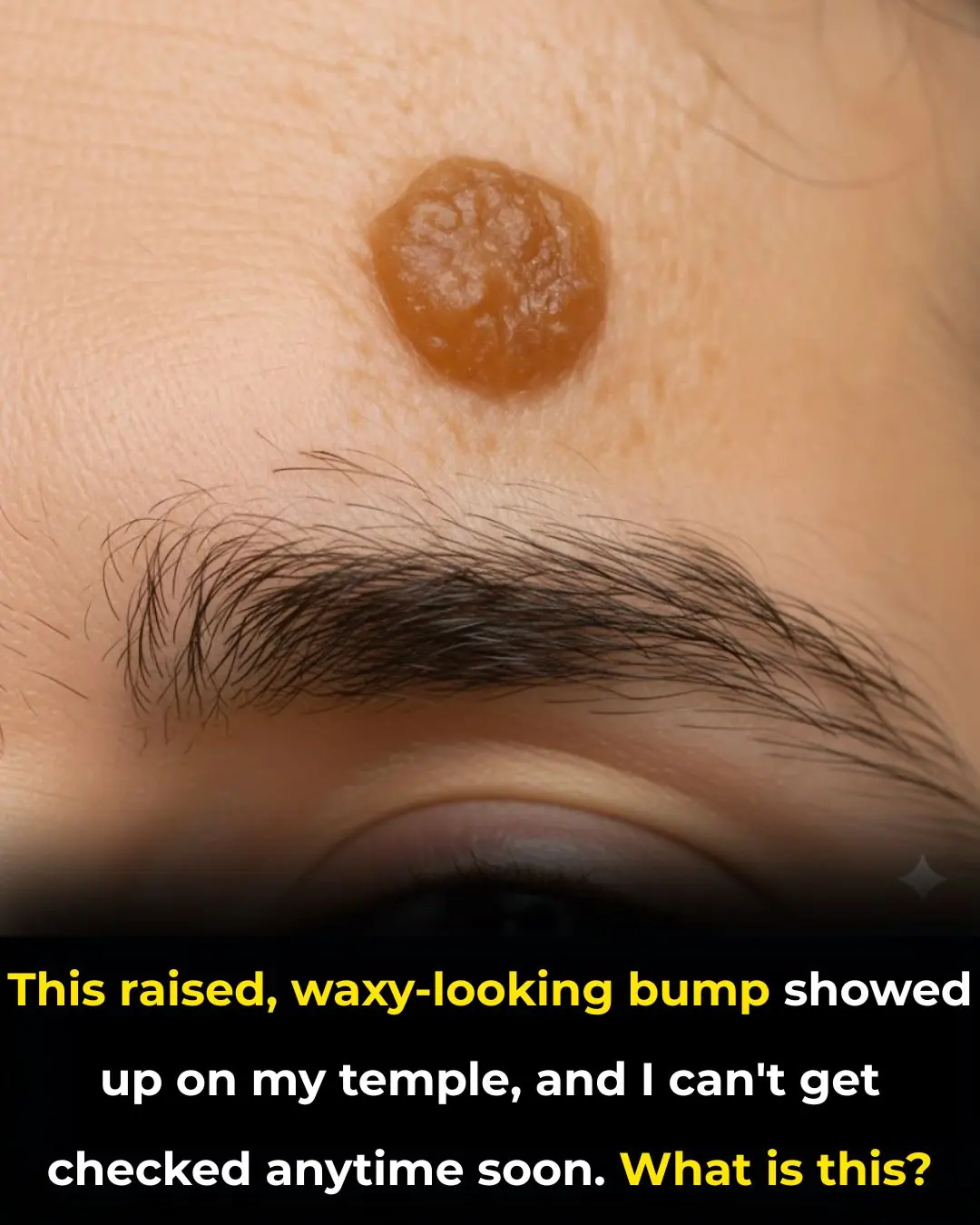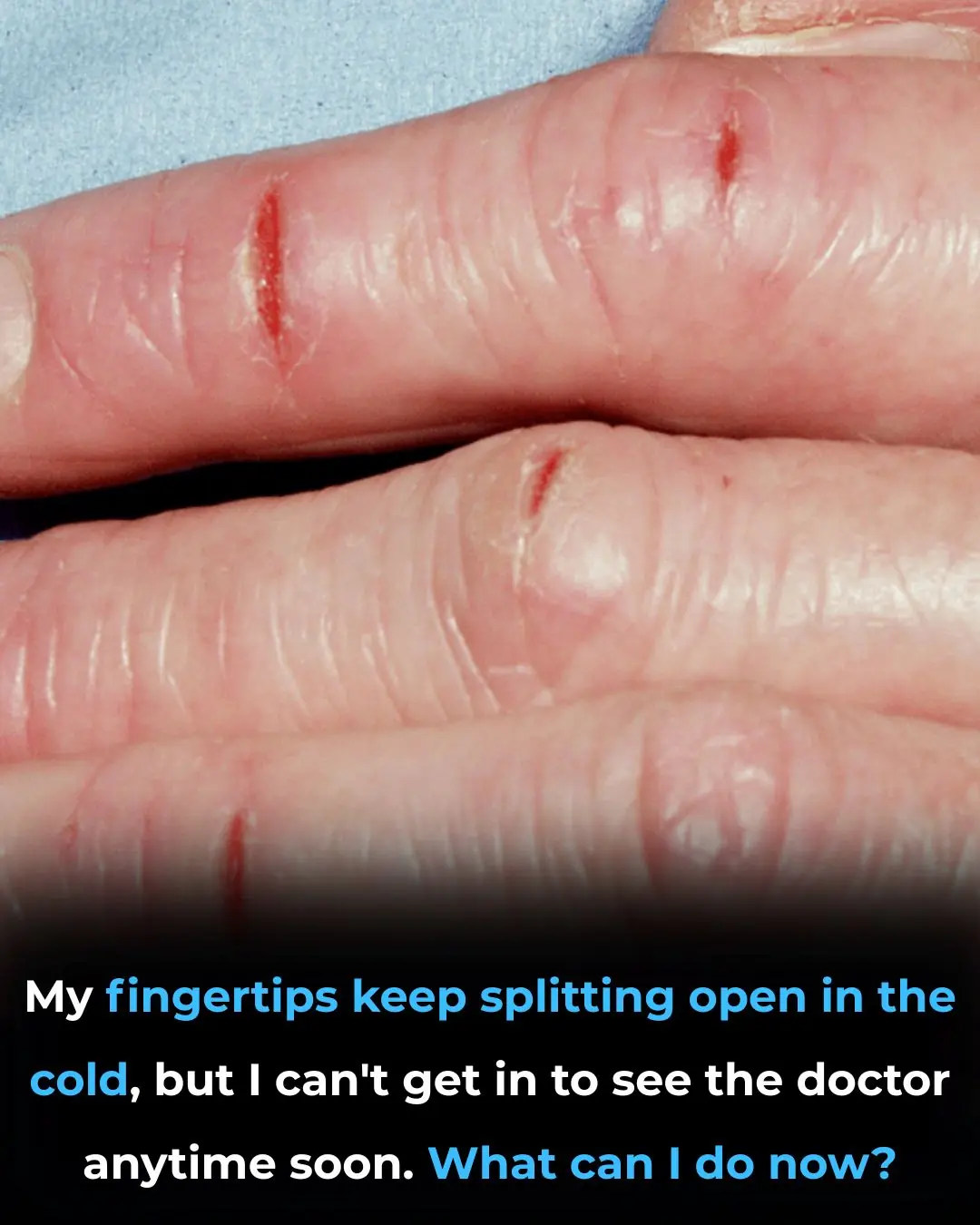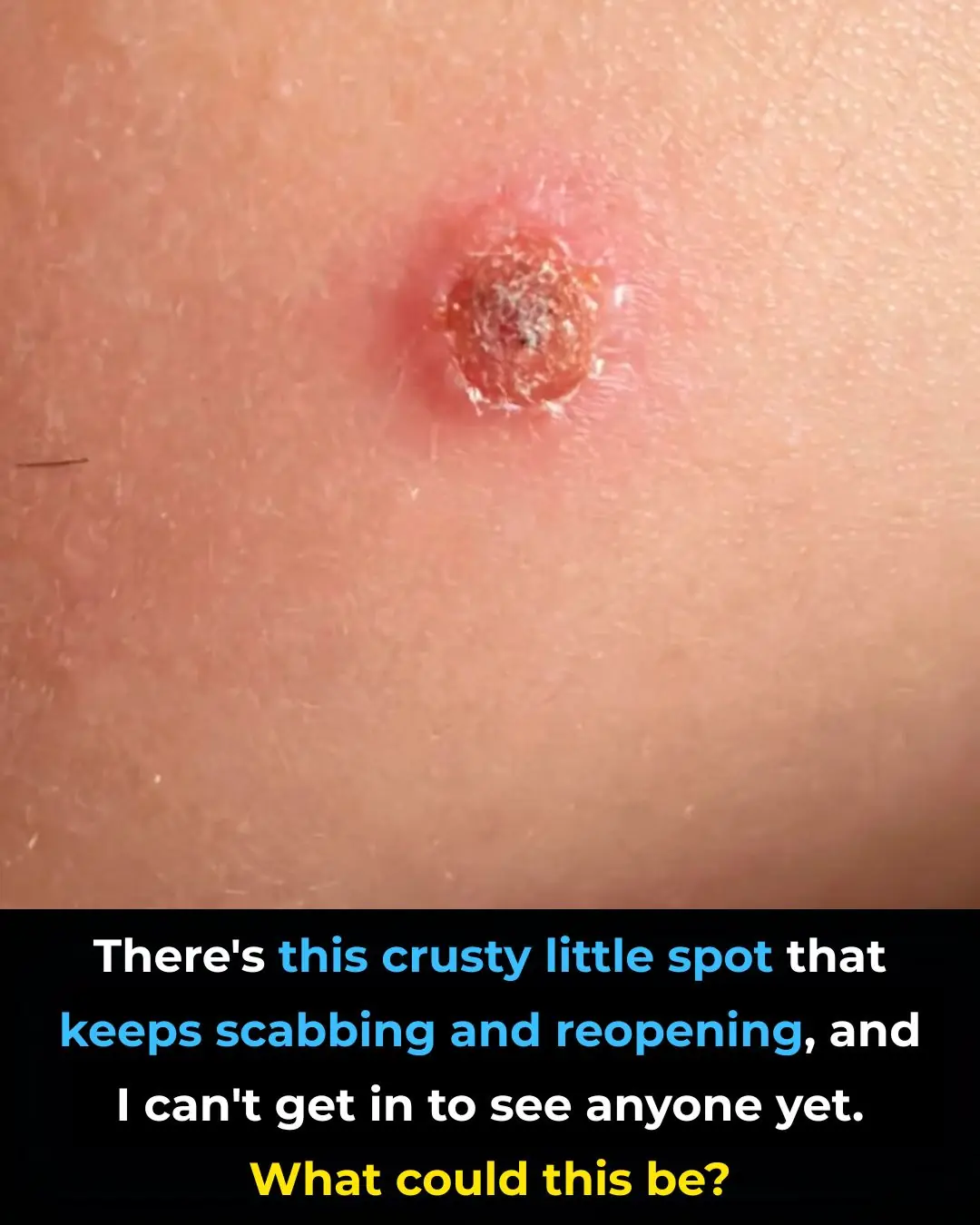
There’s this crusty little spot that keeps scabbing and reopening, and I can’t get in to see anyone yet. What could this be?
Tips 21/12/2025 22:16
Noticing new or changing spots on your skin—especially brown, crusty ones that seem to appear suddenly—can be unsettling. Many people immediately worry about skin cancer, premature aging, or hidden health problems. The stress is often made worse by long wait times for dermatology appointments, leaving you uncertain and anxious in the meantime.
This guide is designed to help you better understand what these brown, crusty spots may be, how to distinguish harmless growths from potentially serious ones, and how to care for your skin safely while waiting to see a medical professional. Knowledge can’t replace a diagnosis, but it can provide reassurance and help you make informed decisions.
In many cases, brown, crusty, or wart-like spots are seborrheic keratoses, one of the most common benign skin growths in adults. They usually appear after the age of 40, although some people may develop them earlier. These growths can range in color from light tan to dark brown or black and often feel rough, scaly, or waxy.
Seborrheic keratoses are non-cancerous and do not turn into skin cancer. They may grow slowly over time or appear suddenly. Treatment is not medically necessary unless the spot becomes irritated, itchy, inflamed, or cosmetically bothersome.
It can be difficult to tell the difference between benign skin growths and skin cancer without training or proper tools. Seborrheic keratoses typically:
Look waxy or rough
Appear “stuck on” the skin
Have clearly defined borders
Remain relatively stable over time
In contrast, melanoma may have uneven edges, multiple colors, asymmetry, and rapid changes. Basal cell and squamous cell carcinomas often present as sores that bleed, crust, and fail to heal. Any lesion that changes quickly, bleeds without injury, or becomes painful should be evaluated promptly.
One of the defining features of seborrheic keratoses is their appearance, as if someone placed a drop of wax or clay onto the skin. They can be flat or raised and may feel smooth, crumbly, or rough.
Color varies widely—even within the same person—and can darken over time. While dermatologists can often identify these growths at a glance, it’s understandable to feel unsure at home, especially if a spot looks darker or thicker than others.
These growths are most common in middle-aged and older adults. Genetics play a major role; if close family members have many seborrheic keratoses, you may be more likely to develop them too.
They often increase in number with age and may appear in clusters on the chest, back, face, or shoulders. Hormonal changes, cumulative sun exposure, and natural skin aging may all contribute, even though these spots are not directly caused by sun damage.
Although most brown spots are harmless, certain changes should never be ignored. Seek medical evaluation if a spot:
Bleeds, oozes, or crusts repeatedly
Becomes painful or inflamed
Has uneven borders or multiple colors
Grows rapidly or changes shape
Appears very different from your other spots
A sudden eruption of many new lesions, especially alongside other symptoms, may also warrant closer investigation.
Most seborrheic keratoses are not medical emergencies and can safely wait for a scheduled dermatology appointment. However, faster evaluation is recommended if:
You have a personal or family history of skin cancer
The lesion is rapidly changing
There is bleeding, infection, or significant pain
When in doubt, it’s always better to seek advice sooner rather than later.
Social media is full of “at-home removal” tricks using acids, oils, scraping tools, or burning methods. These approaches can cause burns, scarring, infections, and delayed diagnosis of skin cancer.
Removing a lesion at home also eliminates the chance for proper examination or biopsy. Dermatologists use sterile tools and techniques designed to minimize complications—something DIY methods cannot safely replicate.
A dermatologist will visually examine the lesion, often using a dermatoscope, which allows them to see detailed patterns beneath the skin’s surface. This noninvasive exam helps distinguish benign growths from suspicious ones.
If there is uncertainty, a biopsy may be performed. This involves removing a small piece of tissue for laboratory analysis and is usually quick, simple, and done under local anesthesia.
Seborrheic keratoses do not need treatment unless they cause discomfort or cosmetic concern. When removal is desired, options include:
Cryotherapy (freezing with liquid nitrogen)
Curettage (gentle scraping)
Electrosurgery
Laser removal
Your dermatologist will recommend the most appropriate method based on size, location, and skin type.
Perform monthly skin self-exams in good lighting. Use mirrors or ask someone to help check hard-to-see areas. Pay attention to:
New spots
Changes in size, shape, or color
Bleeding or irritation
Taking photos over time can be especially helpful for tracking changes and sharing with your doctor.
Be specific about what you’ve noticed and how long the spot has been present. Mention any family history of skin cancer, sun exposure history, or symptoms like itching or bleeding.
Bring notes or photos if possible, and don’t hesitate to ask questions about diagnosis, treatment options, and follow-up care. Clear communication helps ensure thorough evaluation.
Good skin habits reduce future risk:
Use broad-spectrum sunscreen (SPF 30+) daily
Wear protective clothing and hats outdoors
Avoid tanning beds
Perform regular self-checks
Aging skin naturally develops changes, but early detection and prevention make a meaningful difference in long-term skin health.
Brown, crusty spots are often harmless, especially when they are seborrheic keratoses—but not all spots should be ignored. While waiting to see a dermatologist can be stressful, staying informed, monitoring changes, and avoiding risky DIY treatments are the safest steps you can take.