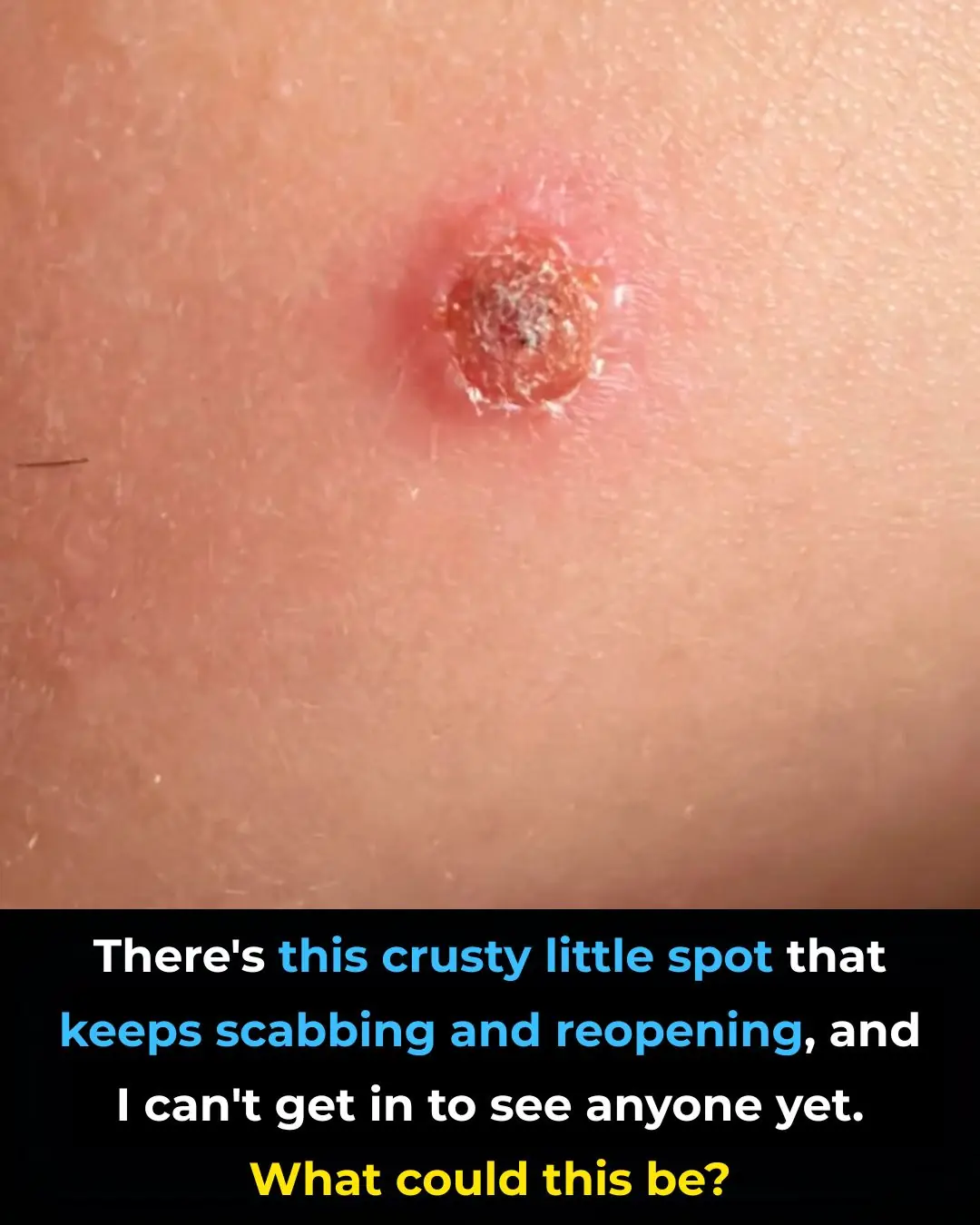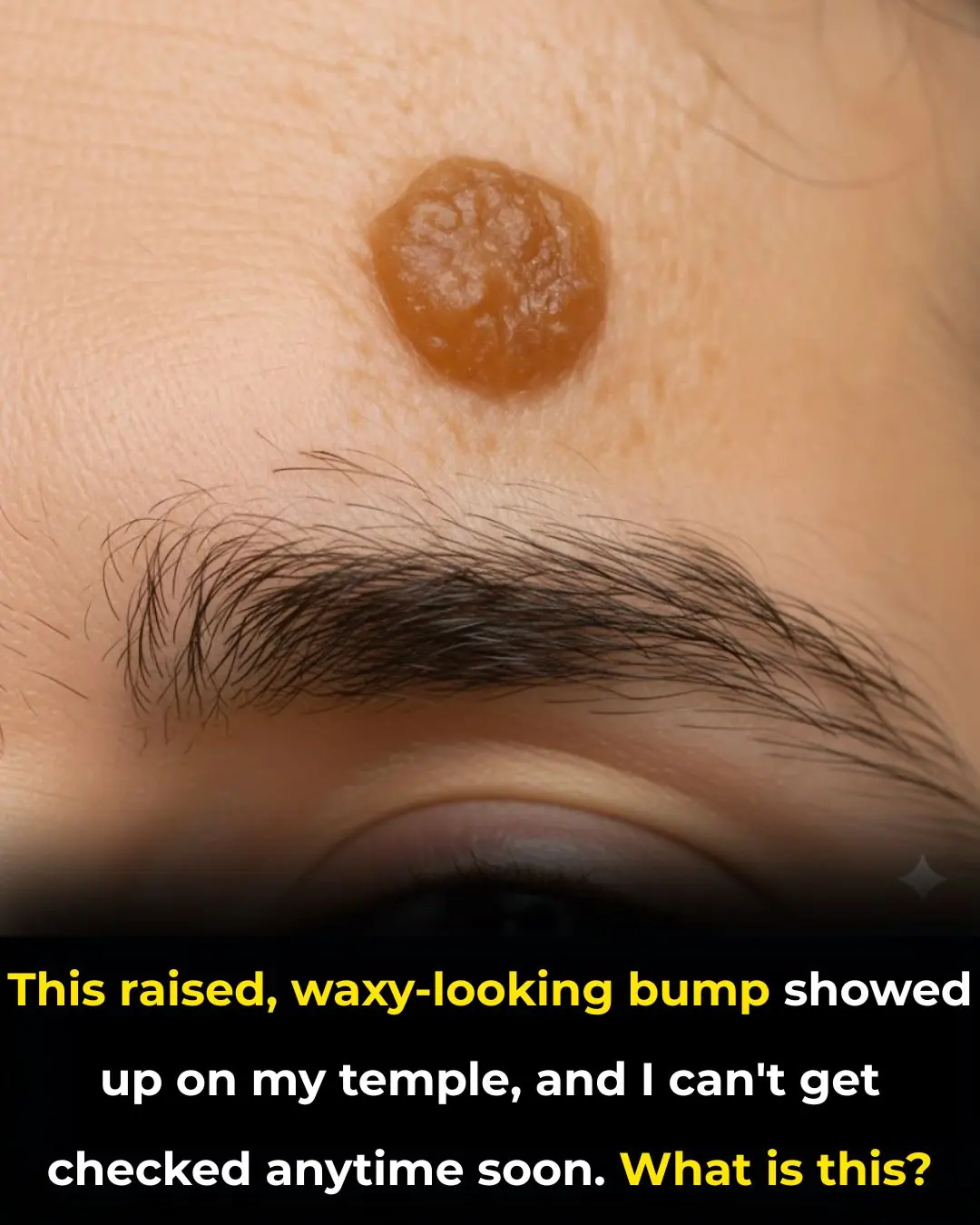
These brown crusty spots keep showing up, and my doctor is booked for weeks given Christmas. Should I be concerned?
Tips 21/12/2025 22:19
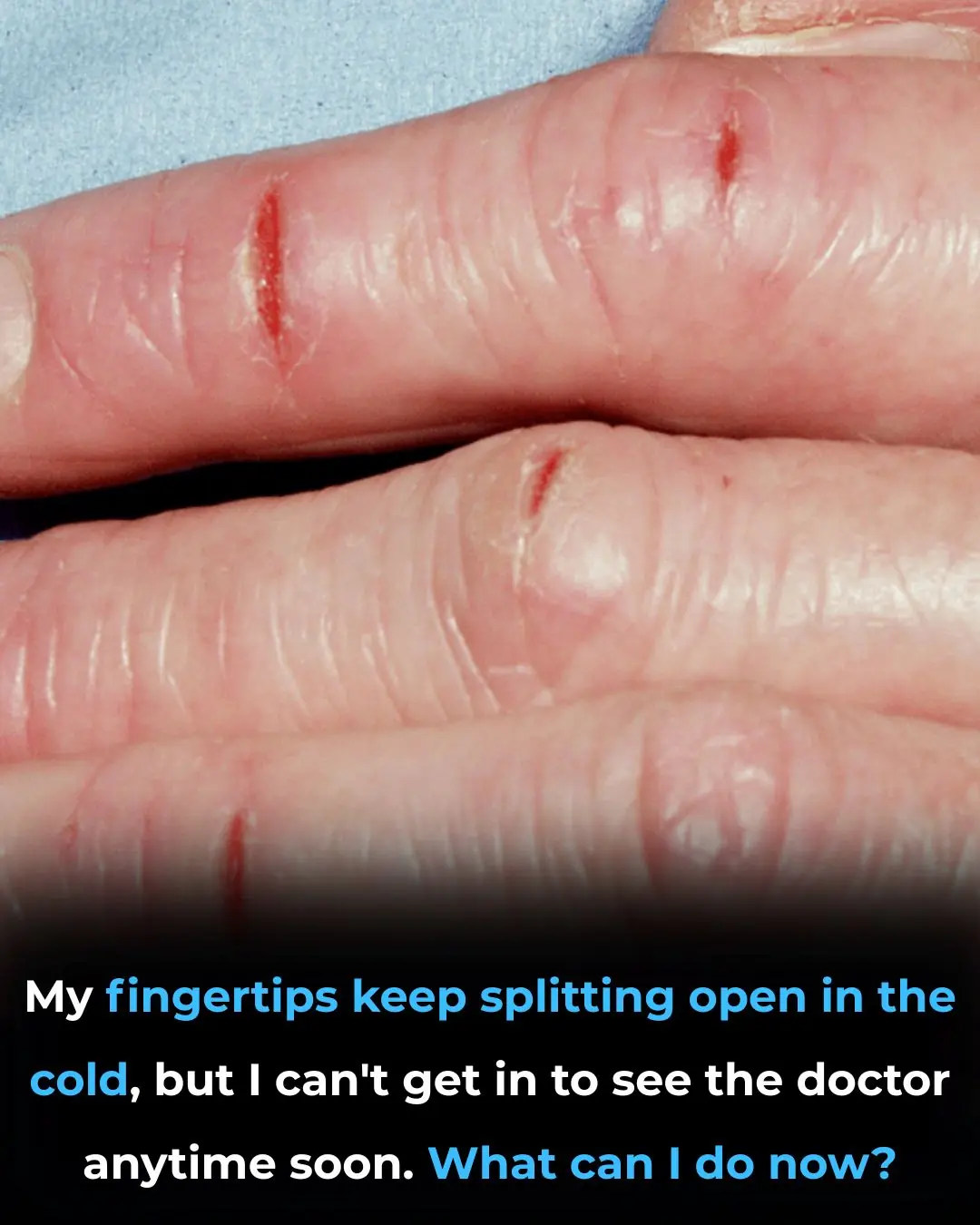
As winter approaches and temperatures drop, many people notice their skin becoming increasingly dry and irritated. One of the most uncomfortable and common cold-weather skin problems is split fingertips. These painful cracks develop when the skin becomes excessively dry and loses its natural elasticity, making even simple daily activities uncomfortable.
Unfortunately, not everyone can see a doctor right away when this happens. The good news is that there are several effective home remedies, prevention strategies, and warning signs you should know. This guide explains why cold weather makes fingertip splitting worse, how to treat and protect damaged skin, and when medical care is necessary.
Cold weather significantly lowers humidity levels, which causes moisture to evaporate from the skin more quickly. When the outer layer of the skin (the epidermis) becomes dehydrated, it loses flexibility and becomes fragile, making it prone to cracking.
Fingertips are especially vulnerable because they are constantly exposed to environmental stressors such as wind, cold air, water, and cleaning products. Frequent handwashing, hot water, and alcohol-based hand sanitizers further strip away the skin’s natural oils, weakening the skin barrier and increasing the risk of painful splits.
In many cases, split fingertips are irritating rather than dangerous. They may sting, bleed slightly, or make gripping objects uncomfortable. However, deeper cracks can create openings for bacteria, increasing the risk of infection.
You should take the condition seriously if you notice worsening pain, redness spreading beyond the crack, swelling, warmth, pus, or delayed healing. These symptoms may indicate infection or an underlying skin condition that requires medical attention.
Begin treatment by gently cleaning the affected area with lukewarm water and a mild, fragrance-free soap. Avoid antibacterial or harsh soaps, as they can further dry out the skin. Pat your hands dry with a soft towel instead of rubbing.
After cleaning, immediately apply a thick ointment—such as petroleum jelly or a healing balm—to seal in moisture and protect the cracked skin. This barrier helps prevent further damage and promotes faster healing.
In certain situations, a small amount of medical-grade superglue can be used to close shallow skin cracks and reduce pain. This method works by holding the edges of the split together, allowing the skin to heal.
To use it safely, ensure the skin is clean and completely dry. Apply a tiny amount of glue using a toothpick along the edges of the crack and gently press the skin together until dry. Never use superglue on deep, bleeding, or infected wounds, as sealing bacteria inside can worsen the problem.
Liquid bandages are a convenient and effective option for small fingertip cracks. They create a flexible, waterproof seal that protects the skin while allowing movement.
For deeper or wider cracks, use medical tape or a soft adhesive bandage. Make sure it’s secure but not tight enough to restrict circulation. Replace bandages regularly, especially if they become wet or dirty.
To restore severely dry skin, use the “moisture sandwich” technique:
Apply a humectant (such as glycerin or hyaluronic acid) to draw moisture into the skin.
Follow with a rich cream to repair the skin barrier.
Finish with an occlusive product like petroleum jelly to lock everything in.
This layering method provides long-lasting hydration and significantly reduces cracking.
Nighttime is ideal for intensive skin repair. Soak your hands in warm (not hot) water for 5–10 minutes to soften the skin. Dry gently, then apply a thick layer of ointment or balm.
Wear cotton gloves overnight to enhance absorption and prevent moisture loss. By morning, your hands should feel noticeably softer and less irritated.
Excessive exposure to water and cleaning products worsens dryness. Use gentle, moisturizing hand soaps and avoid hot water. Reserve hand sanitizer for times when soap and water aren’t available.
Always apply moisturizer immediately after washing your hands to restore lost moisture and protect the skin barrier.
Gloves are essential for preventing fingertip splits. Wear insulated gloves outdoors to protect against cold and wind. Use rubber or vinyl gloves for cleaning and dishwashing.
If your hands sweat inside gloves, opt for breathable materials or cotton liners to prevent moisture buildup, which can irritate already damaged skin.
Not all viral skin “hacks” are safe. Avoid applying acidic or abrasive substances like lemon juice, vinegar, or baking soda directly to cracked skin. These can cause burning, inflammation, and delayed healing.
Stick to dermatologist-approved methods: hydration, protection, and barrier repair.
If fingertip splitting is persistent, severe, or accompanied by intense itching or widespread rashes, it may be linked to eczema, psoriasis, or contact allergies.
Eczema often causes red, itchy, inflamed skin, while psoriasis produces thick, scaly patches. A healthcare professional can diagnose these conditions and recommend appropriate treatment.
Skin health also depends on nutrition and hydration. Drink plenty of water throughout the day and eat foods rich in omega-3 fatty acids, such as fatty fish, walnuts, and flaxseeds.
Vitamins like vitamin E, biotin, and zinc may support skin repair, but supplements should be taken only after consulting a healthcare provider.
Seek medical care if fingertip cracks are extremely painful, show signs of infection, are accompanied by fever, or fail to heal despite proper care.
Ignoring these symptoms can lead to complications or signal a more serious skin condition. Early treatment helps prevent long-term damage and discomfort.
Split fingertips are common during cold weather, but they don’t have to control your winter. With proper hydration, protection, and consistent care, most cases heal quickly and can be prevented altogether. Paying attention to early signs and taking proactive steps will keep your hands healthy, comfortable, and functional throughout the colder months.