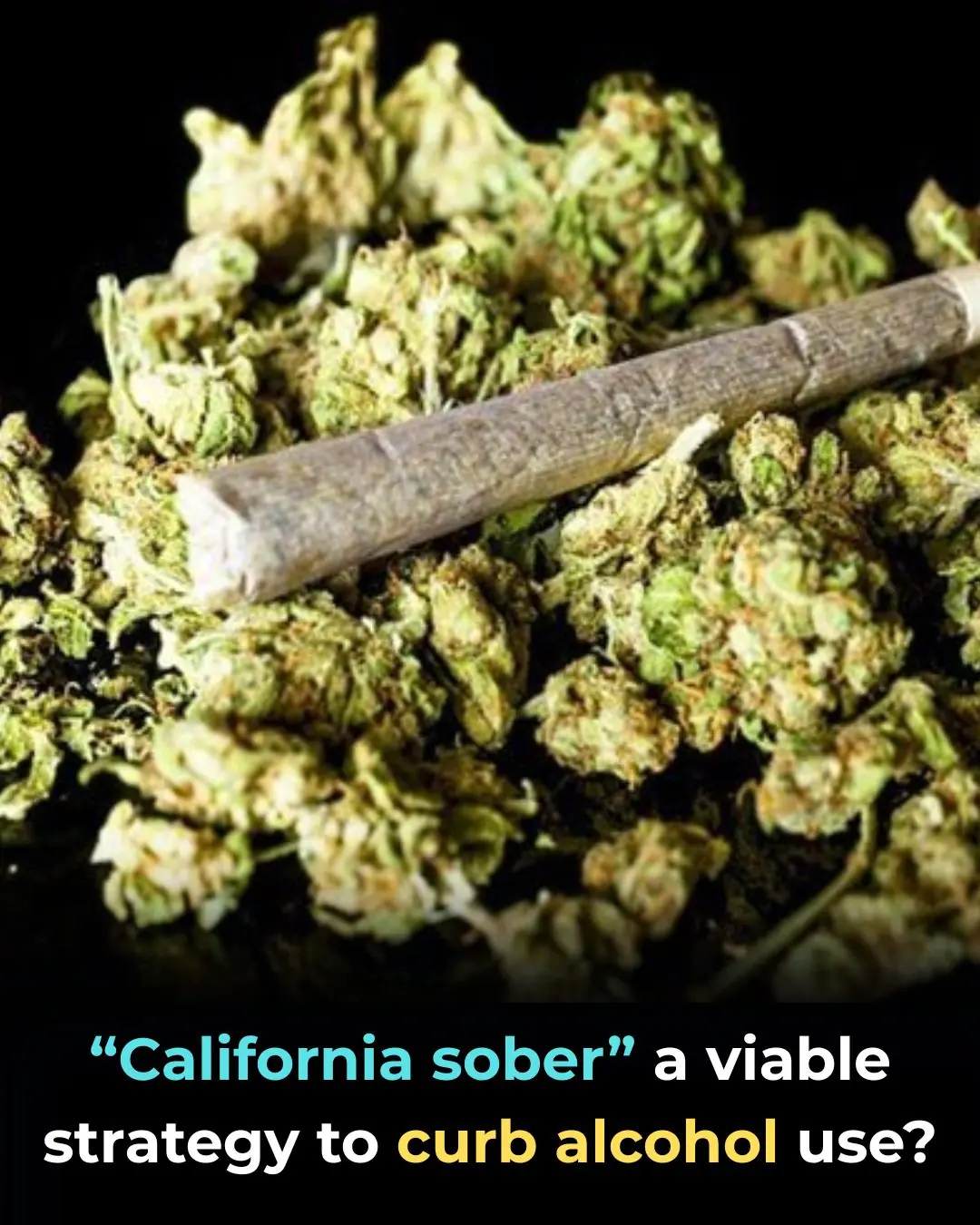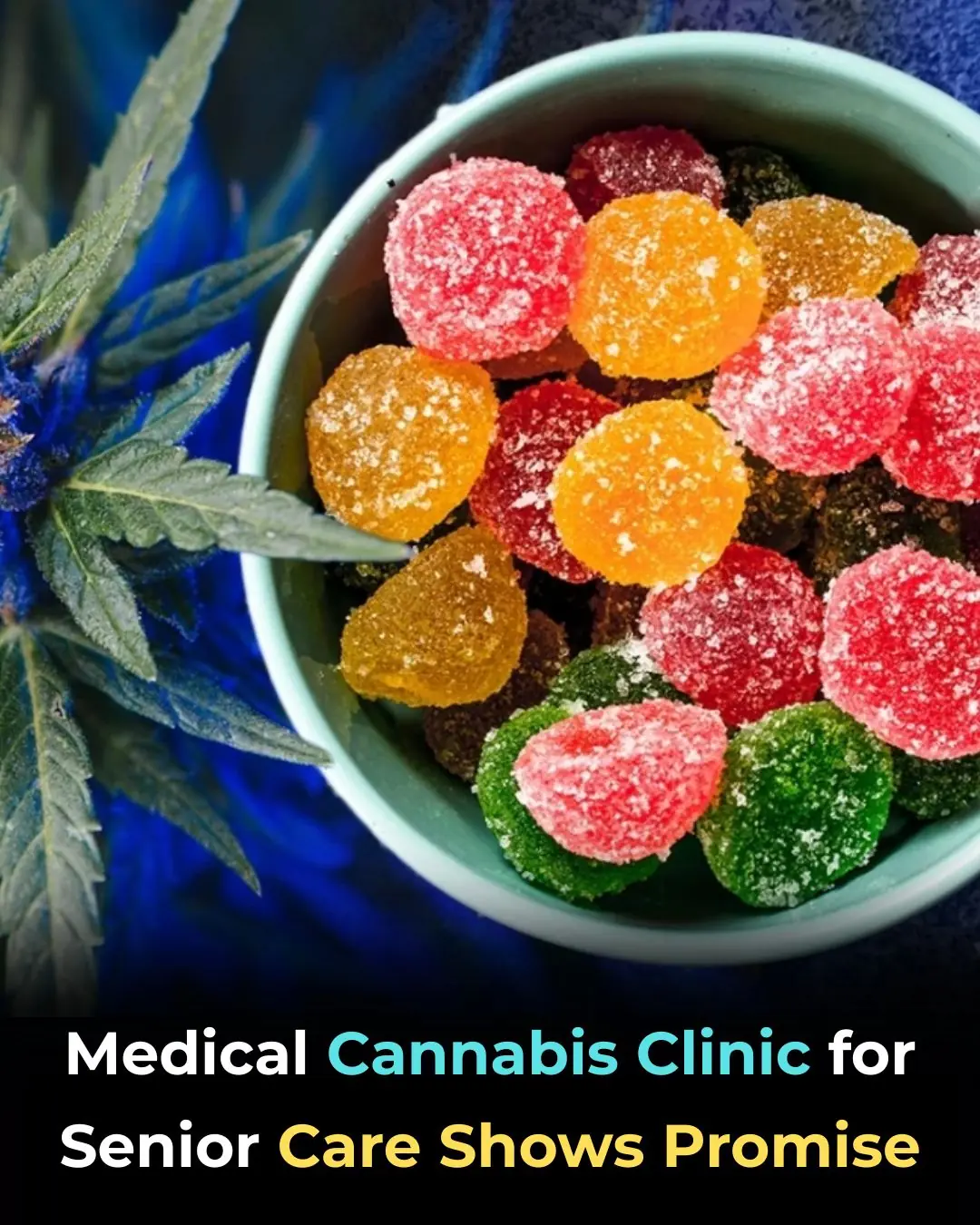
The use of medical cannabis has expanded rapidly over the past decade, yet its integration into routine healthcare—especially for older adults—has remained cautious and fragmented. Seniors often live with multiple chronic conditions, take numerous medications, and face heightened risks from drug interactions and adverse effects. Against this backdrop, a physician-led medical cannabis clinic embedded within a geriatric primary care practice has demonstrated a promising and safer approach to cannabis-based treatment for older adults with complex medical needs.
The Need for a Structured Approach to Medical Cannabis in Seniors
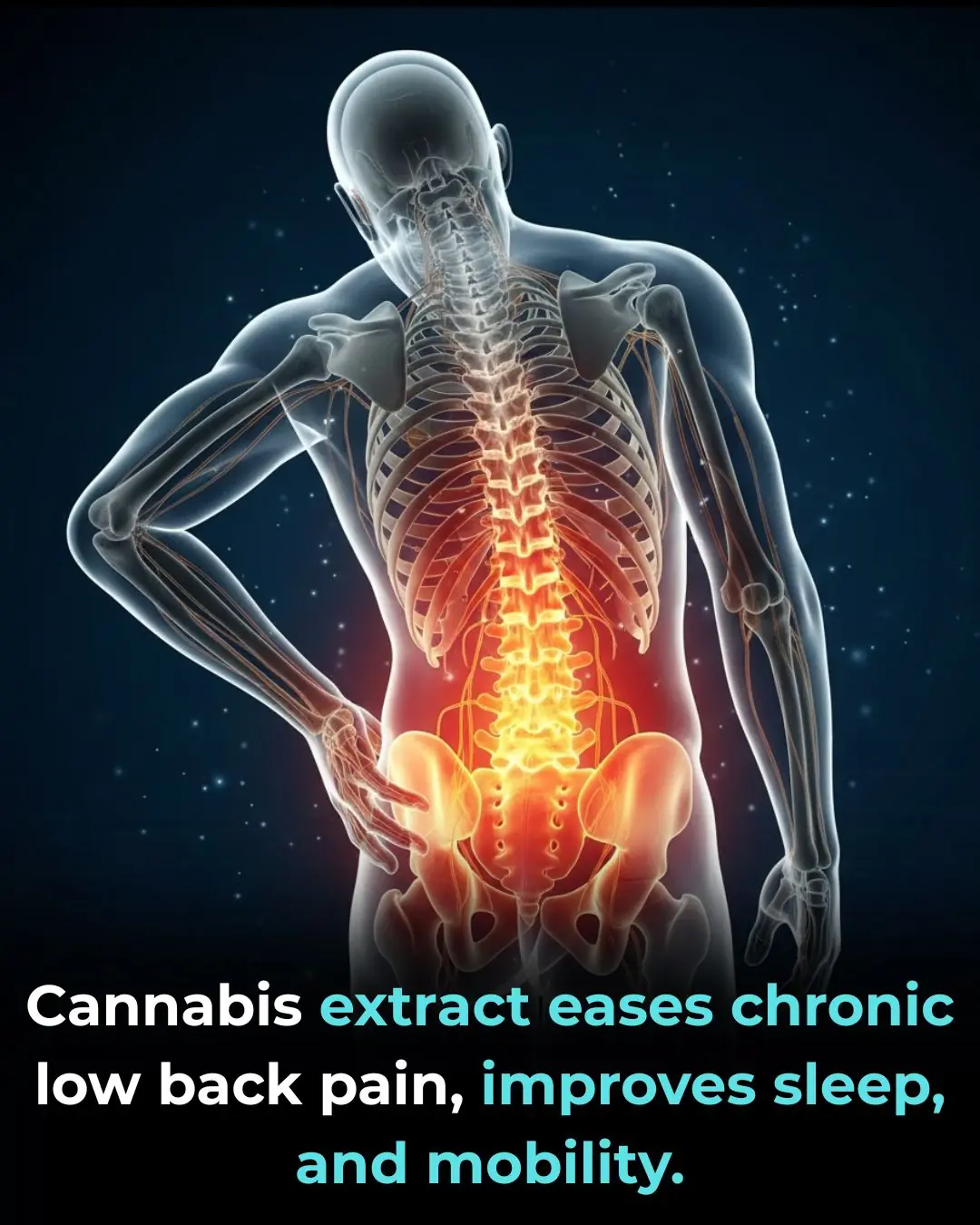
Older adults represent one of the fastest-growing populations seeking medical cannabis. Many turn to cannabis to manage chronic pain, insomnia, anxiety, neuropathy, appetite loss, and symptoms related to neurodegenerative or oncologic conditions. However, seniors are also particularly vulnerable to side effects such as dizziness, cognitive impairment, falls, cardiovascular effects, and interactions with commonly prescribed medications including anticoagulants, sedatives, and antihypertensives.
Historically, many seniors have accessed medical cannabis through dispensaries or external clinics with limited coordination with their primary care providers. This disconnect can lead to incomplete medication reconciliation, underreported cannabis use, and avoidable safety risks. The lack of standardized clinical oversight has been a major concern among healthcare professionals.
Integrating Medical Cannabis Into Geriatric Primary Care
To address these challenges, a physician-led medical cannabis clinic was established directly within a geriatric primary care practice and evaluated over a 30-month period. The clinic served a diverse population of older adults, many of whom had multiple chronic illnesses, polypharmacy, cognitive impairment, or functional limitations.
By embedding the clinic within primary care, physicians were able to evaluate cannabis use through the same rigorous clinical lens applied to other medical therapies. Patients received comprehensive assessments that included medical history, current medications, functional status, and individualized risk-benefit evaluations. This approach ensured that cannabis was not treated as an isolated or alternative therapy, but rather as part of an integrated care plan.
Enhancing Safety Through Clinical Oversight
One of the most significant benefits of this model was improved safety. Physicians monitored dosing, formulations, and routes of administration, often favoring low-dose, non-smoked options such as oils or capsules. Regular follow-up visits allowed clinicians to track symptom response, side effects, and potential interactions with other medications.
Importantly, the clinic facilitated open and structured communication between patients and their healthcare providers. Many older adults had previously hesitated to disclose cannabis use, fearing stigma or disapproval. Within this integrated setting, cannabis use was normalized as a clinical discussion, leading to more accurate documentation and better-informed decision-making.
Managing Drug Interactions and Complex Conditions
Polypharmacy is common among seniors, and cannabis compounds—particularly THC and CBD—can interact with medications metabolized by the liver’s cytochrome P450 system. The clinic’s physician-led structure allowed for careful medication reconciliation and ongoing monitoring, reducing the likelihood of harmful interactions.
For patients with complex conditions such as chronic pain syndromes, Parkinson’s disease, cancer-related symptoms, or refractory insomnia, the clinic provided a tailored approach. Cannabis was often introduced gradually, with clear goals focused on symptom relief, functional improvement, and quality of life rather than cure.
Improving Coordination Across Healthcare Providers
Another key strength of the model was improved communication with other healthcare professionals. Because the cannabis clinic operated within the primary care setting, information about cannabis use was readily available to specialists, pharmacists, and caregivers. This transparency reduced fragmented care and helped ensure that all providers were aware of the patient’s full treatment regimen.
Caregivers also benefited from education and guidance, particularly when supporting seniors with cognitive impairment or limited health literacy. Clear instructions and shared decision-making enhanced adherence and reduced misuse.
A Viable and Scalable Model for the Future
Over the 30-month evaluation period, the integrated clinic demonstrated that combining medical cannabis with geriatric primary care is not only feasible but beneficial. The model supported safe prescribing practices, improved patient-provider communication, and offered a structured pathway for incorporating cannabis into evidence-informed care for older adults.
While further research is needed to assess long-term outcomes and cost-effectiveness, this clinic model provides a compelling framework for healthcare systems seeking to address the growing demand for medical cannabis among seniors. It challenges the notion that cannabis must exist outside traditional medicine and instead positions it as a therapy that can be responsibly managed within standard clinical practice.
Conclusion
As the population ages and interest in medical cannabis continues to rise, healthcare systems must adapt to meet the needs of older adults safely and effectively. The physician-led medical cannabis clinic embedded in geriatric primary care offers a promising solution—one that prioritizes safety, integration, and patient-centered care. By bringing cannabis into the heart of primary care, this model sets a new standard for how emerging therapies can be responsibly incorporated into senior healthcare.