Red spots on the skin can appear in many forms, ranging from tiny pinpoint dots to larger raised bumps or widespread rashes. These spots may be flat or elevated, itchy or painless, and bright red, pink, or even purplish in color. In some cases, red skin spots resemble small moles, while in others they look like clusters of inflamed bumps or blotchy rashes.
The cause of red spots largely determines their appearance and symptoms. For example, red itchy bumps often develop due to allergic reactions, eczema, insect bites, or infections. In contrast, non-itchy red spots may be linked to acne, keratosis pilaris, broken blood vessels, or benign skin growths. Red spots can occur anywhere on the body, including the face, arms, legs, chest, back, stomach, and even under the skin.
This article explains the most common causes of red spots on the skin, how to recognize their symptoms, and which home remedies or treatments may help reduce redness, irritation, and discomfort.
Symptoms of Red Spots on the Skin
Red spots can vary significantly in size, shape, and sensation. Some are barely noticeable, while others are inflamed, swollen, or painful. Depending on the underlying cause, red spots may come with additional symptoms.
According to medical experts, common symptoms associated with red spots on the skin include:
-
Clusters of tiny red dots forming a rash
-
Raised red bumps (papules), sometimes filled with pus
-
Flat red spots (macules) that may or may not itch
-
Pinpoint red dots caused by physical strain or exertion
-
Severe itching, burning, or tenderness around the affected area
-
Blistering, crusting, or oozing in more severe cases
Understanding whether red spots itch, spread, blister, or change color is often key to identifying their cause.
Common Causes of Red Spots on the Skin
Petechiae (Tiny Red Pinpoint Dots)
Petechiae are very small, flat red or purple dots that occur when tiny blood vessels (capillaries) break beneath the skin. These dots often appear in clusters and do not itch. Petechiae can develop on the face, neck, chest, arms, legs, or eyelids.
Common triggers include intense coughing, vomiting, heavy lifting, childbirth, or certain medications. Petechiae may also be associated with infections such as scarlet fever, strep throat, or mononucleosis. Because petechiae can indicate underlying medical conditions, it is important to seek medical evaluation if they appear suddenly or without an obvious cause.
Keratosis Pilaris
Keratosis pilaris is a harmless skin condition that causes rough patches of tiny red or flesh-colored bumps, usually on the upper arms, thighs, cheeks, or buttocks. These bumps do not itch or hurt but may worsen in dry weather. Although there is no cure, gentle exfoliation and moisturizing products can help reduce their appearance.
Acne
Acne is one of the most common causes of red bumps on the skin. It occurs when pores become clogged with oil and bacteria, leading to inflammation. Acne pimples may appear as red, swollen bumps, pus-filled whiteheads, or painful nodules. The face, chest, back, and shoulders are most commonly affected.
Natural treatments such as tea tree oil, clay masks, and gentle cleansing routines may help reduce acne-related redness and inflammation.
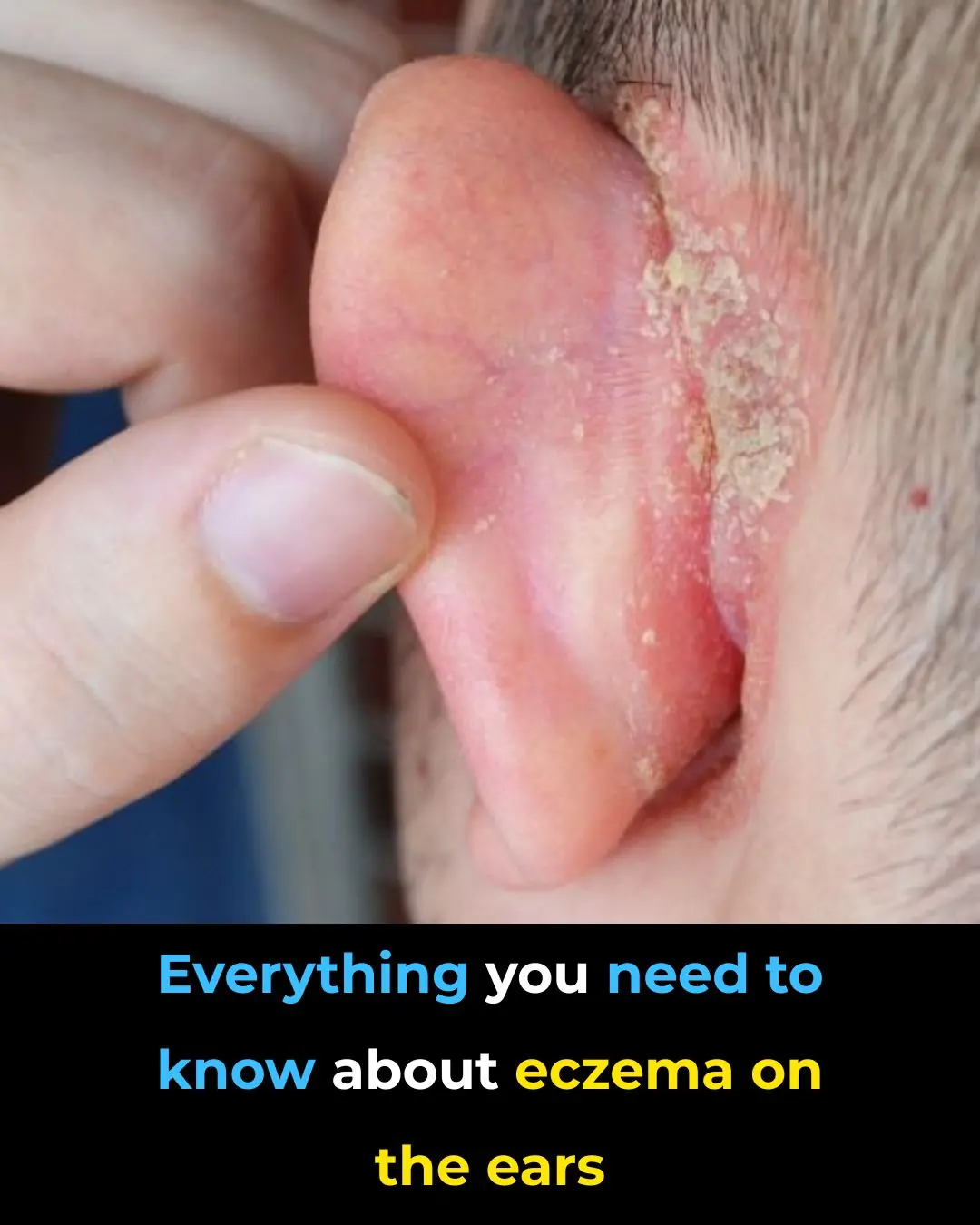
Eczema (Atopic Dermatitis)
Eczema causes red, inflamed patches of skin that itch intensely. The rash may ooze, crust over, or develop fluid-filled blisters. Scratching can worsen symptoms and increase the risk of infection. Natural remedies such as coconut oil, oatmeal baths, and witch hazel may help soothe irritation and restore moisture to the skin.
Psoriasis
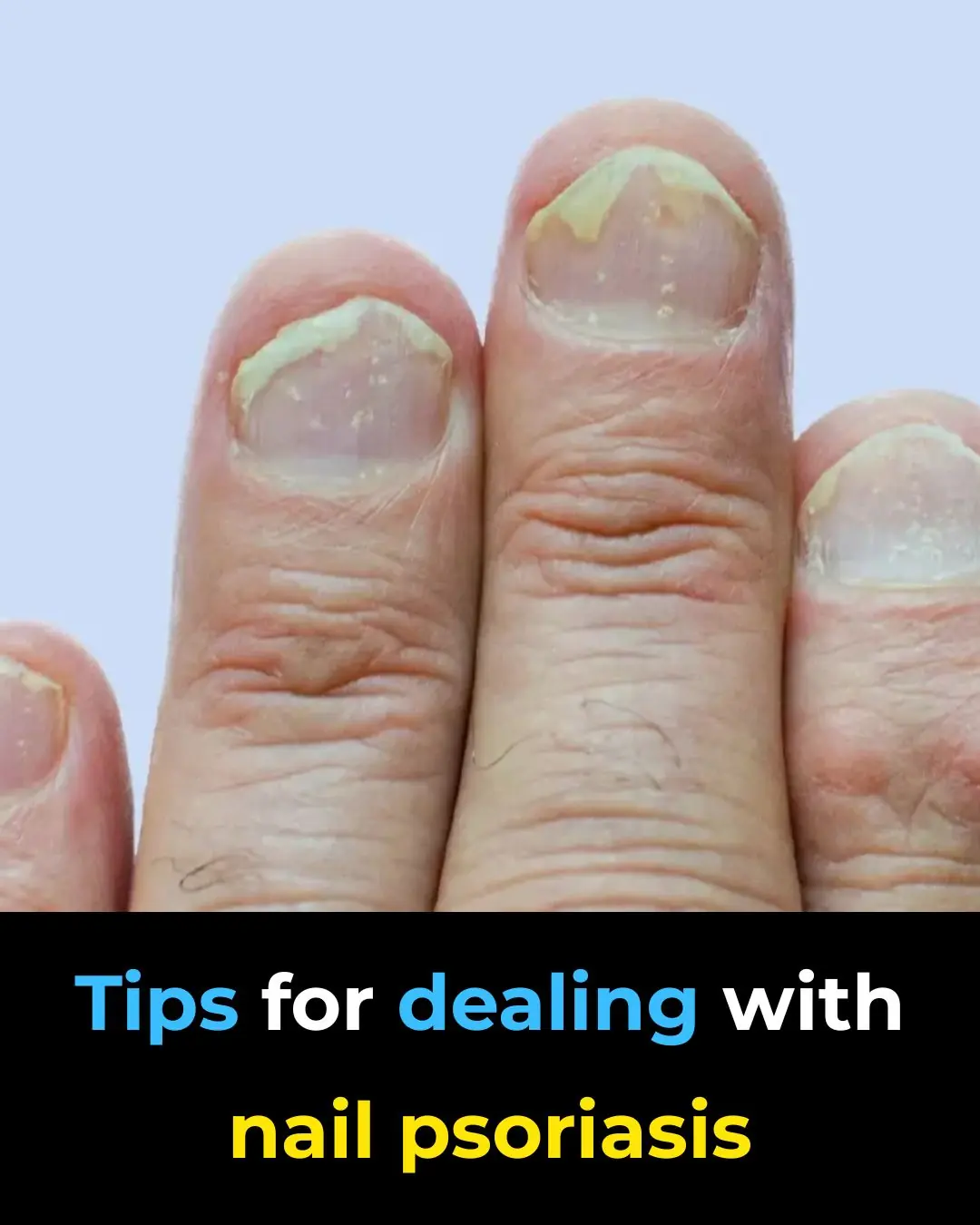
Psoriasis is a chronic inflammatory skin condition that produces thick, scaly patches of red skin. A form called guttate psoriasis causes small pink or red bumps that may cover large areas of the body. These bumps can itch and become infected if scratched. Anti-inflammatory creams and medicated treatments can help manage flare-ups.
Hives (Urticaria)
Hives are raised, itchy red welts that may appear suddenly due to allergies, stress, infections, or medication reactions. They can resemble blisters and vary in size. Natural remedies such as chamomile, lavender oil, or cold compresses may provide relief from itching and swelling.
Cherry Angiomas
Cherry angiomas are bright red, raised spots caused by clusters of dilated blood vessels. These harmless growths often increase with age and usually do not itch or require treatment unless they bleed or become irritated.
Heat Rash
Heat rash occurs when sweat becomes trapped in skin pores, leading to itchy clusters of small red bumps. It commonly affects areas such as the neck, chest, back, and skin folds. Cooling the skin and applying soothing remedies like oatmeal paste can help relieve symptoms.
Purpura
Purpura appears as purple, dark red, or brownish spots under the skin caused by bleeding beneath the surface. These spots do not blanch when pressed and may indicate underlying health conditions that require medical attention.
Boils
Boils are painful, red lumps caused by bacterial infections under the skin. They often fill with pus and eventually rupture. Applying warm compresses can encourage drainage and speed healing.
Rosacea
Rosacea is a chronic skin condition that primarily affects the face, causing redness, visible blood vessels, and acne-like bumps. While rosacea does not usually itch, it can worsen with heat, spicy foods, or stress. Natural remedies like Manuka honey may help calm inflammation.
Insect Bites and Stings
Bug bites can cause swollen, itchy red bumps that may last several days. Bedbug, flea, or mosquito bites often appear in clusters. Baking soda paste or cold compresses can reduce itching and swelling.
Skin Allergies (Contact Dermatitis)
Allergic reactions to soaps, metals, plants, or chemicals can cause itchy red rashes, blisters, or dry patches. Avoiding the trigger and soothing the skin with oatmeal baths or aloe vera can help relieve symptoms.
Infectious Causes
-
Scarlet fever causes a sandpaper-like red rash and requires antibiotic treatment.
-
Chickenpox begins as red dots that blister and itch intensely.
-
Shingles produces painful red bumps that form a band on one side of the body.
-
Folliculitis causes small red itchy bumps around hair follicles, often after shaving.
-
Ringworm, scabies, and syphilis can also cause red skin spots that require medical treatment.
Red Spots That Itch vs. Those That Don’t
Non-Itchy Red Spots
-
Keratosis pilaris
-
Petechiae
-
Rosacea
-
Cherry angiomas
Itchy Red Spots
-
Eczema
-
Hives
-
Insect bites
-
Chickenpox
-
Shingles
-
Allergic reactions
Natural Treatments for Red Spots on the Skin
Aloe Vera
Aloe vera has anti-inflammatory and soothing properties that reduce redness, itching, and swelling. Apply pure aloe gel directly to affected areas 2–3 times daily.
Coconut Oil and Tea Tree Oil
Coconut oil moisturizes and fights bacteria, while tea tree oil has strong antimicrobial effects.
How to use:
-
Mix 2–3 drops of tea tree oil with 1 tablespoon of virgin coconut oil
-
Apply to red spots 2–3 times daily
This remedy is particularly helpful for acne, folliculitis, and mild skin infections.
Conclusion
Red spots on the skin can have many causes, ranging from harmless conditions to infections that require treatment. Paying attention to symptoms such as itching, pain, blistering, or spreading can help identify the cause. While many red spots can be managed with natural remedies, persistent, painful, or unexplained skin changes should always be evaluated by a healthcare professional.