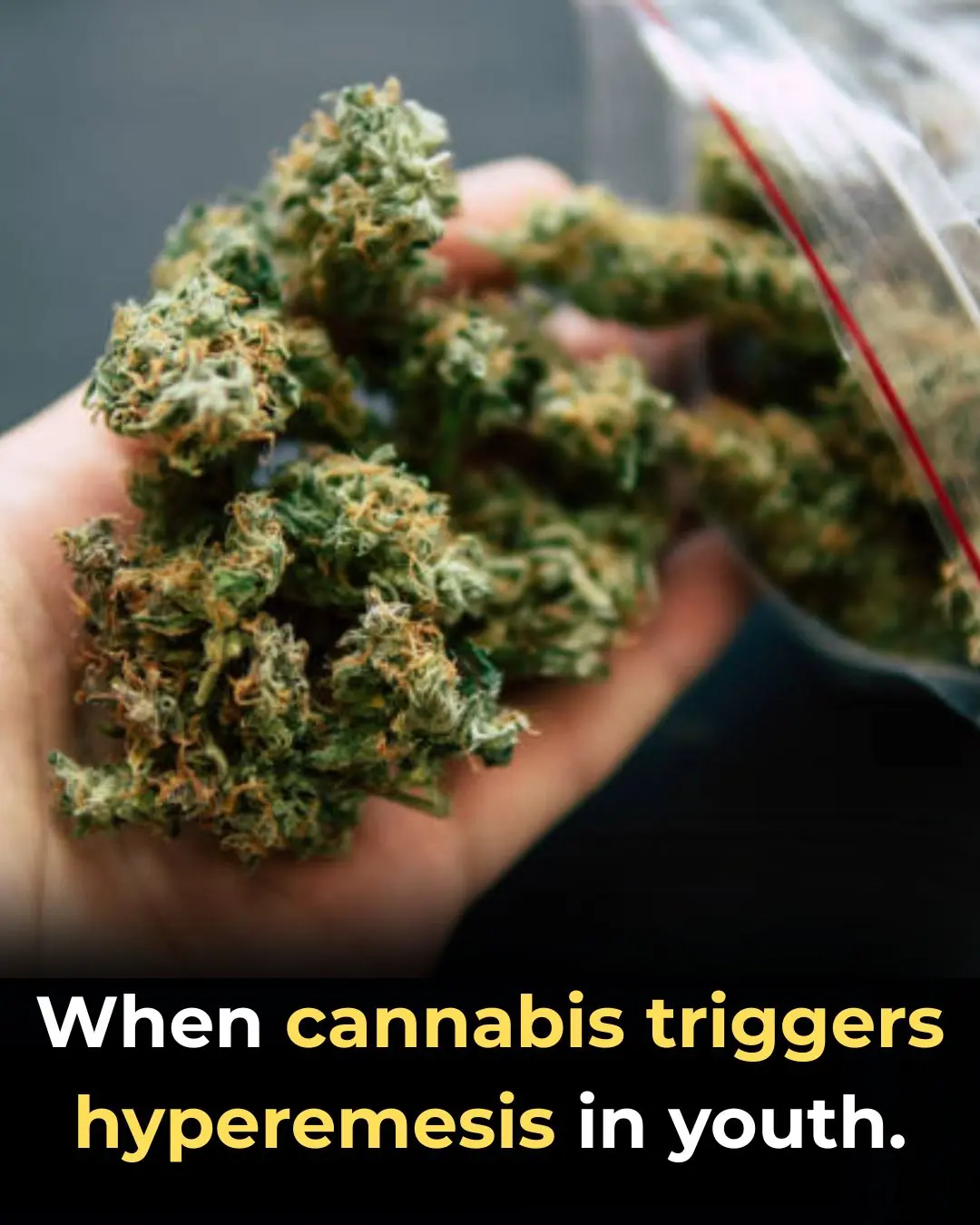
As cannabis use becomes more widespread and socially accepted, particularly among adolescents and young adults, healthcare providers are increasingly encountering a paradoxical and debilitating condition: Cannabis Hyperemesis Syndrome (CHS). Once considered rare, CHS is now emerging as a significant cause of recurrent vomiting and emergency department visits among youth. Physicians Dr. Robert Glatter and Dr. David Meltzer have examined why this condition is on the rise, how it presents clinically, and what best practices can improve outcomes in emergency care settings.
The Rising Prevalence of Cannabis Hyperemesis Syndrome
Cannabis hyperemesis syndrome is characterized by recurrent episodes of severe nausea, intractable vomiting, and abdominal pain in individuals who use cannabis regularly—often daily or near-daily over months or years. While cannabis is widely known for its antiemetic properties, particularly in chemotherapy-related nausea, chronic exposure appears to produce the opposite effect in susceptible individuals.
The rise of CHS closely parallels changes in cannabis availability and potency. Modern cannabis products often contain significantly higher levels of tetrahydrocannabinol (THC) than in previous decades. Edibles, concentrates, and high-potency flower products are especially popular among young users, increasing cumulative THC exposure and, consequently, the risk of CHS.
Emergency physicians now report a steady increase in CHS-related visits, particularly among adolescents and young adults who may not initially associate their symptoms with cannabis use.
Clinical Presentation: A Distinctive but Often Missed Pattern
CHS typically unfolds in three phases:
-
Prodromal Phase
Patients experience early-morning nausea, mild abdominal discomfort, and anxiety related to vomiting. Appetite may be preserved, and cannabis use often continues or even increases in an attempt to relieve symptoms. -
Hyperemetic Phase
This phase is marked by relentless vomiting, dehydration, electrolyte imbalances, and severe abdominal pain. Patients may vomit multiple times per hour and often seek emergency care. A hallmark feature is compulsive hot bathing or showering, which temporarily relieves symptoms for reasons not yet fully understood. -
Recovery Phase
Symptoms resolve after cessation of cannabis use, often within days to weeks. However, relapse is common if cannabis use resumes.
Because vomiting has numerous causes, CHS is frequently misdiagnosed as gastroenteritis, cyclic vomiting syndrome, food poisoning, or anxiety-related illness—leading to repeated emergency visits and unnecessary testing.
Why Youth Are Particularly Vulnerable
Adolescents and young adults face unique risks related to cannabis use. Their developing brains may be more sensitive to THC’s effects on the endocannabinoid system, which plays a key role in regulating nausea, stress, and gastrointestinal motility.
Additionally, youth may underreport cannabis use due to fear of stigma, parental involvement, or legal concerns. This lack of disclosure complicates diagnosis and delays appropriate treatment. Many patients are surprised—or skeptical—when told that cannabis, a substance they believe helps nausea, is actually causing their symptoms.
Pathophysiology: What We Know So Far
The exact mechanism of CHS remains unclear, but several theories exist:
-
Endocannabinoid System Dysregulation: Chronic THC exposure may desensitize cannabinoid receptors in the brain and gut, disrupting normal nausea control.
-
Delayed Gastric Emptying: THC may slow gastrointestinal motility, contributing to nausea and vomiting.
-
Thermoregulatory Effects: The relief provided by hot showers suggests involvement of hypothalamic pathways related to temperature regulation.
-
Accumulation of THC in Fat Tissue: THC is fat-soluble and may accumulate over time, leading to toxic effects during periods of stress or fasting.
Best Practices for Emergency Care
Drs. Glatter and Meltzer emphasize that early recognition of CHS is critical to reducing unnecessary investigations and improving patient outcomes. Best practices include:
-
Detailed Substance Use History: Clinicians should ask nonjudgmental, specific questions about cannabis frequency, duration, and product type.
-
Symptom Pattern Recognition: Recurrent vomiting relieved by hot showers is a strong diagnostic clue.
-
Targeted Treatment: Traditional antiemetics often provide limited relief. Evidence supports the use of:
-
Haloperidol
-
Droperidol
-
Topical capsaicin cream applied to the abdomen
-
-
Supportive Care: IV fluids, electrolyte correction, and symptom control remain essential.
Importantly, imaging and extensive laboratory testing should be minimized once CHS is suspected, unless red flags suggest an alternative diagnosis.
The Cornerstone of Treatment: Cannabis Cessation
The only definitive treatment for CHS is complete cessation of cannabis use. Education plays a central role in recovery. Patients and families must understand that symptoms will likely recur if cannabis use continues.
Emergency visits represent a crucial opportunity for intervention. Brief counseling, clear explanations of the condition, and referrals to primary care or substance use support services can help prevent recurrence.
Public Health Implications
As cannabis legalization expands globally, awareness of CHS must keep pace. Public health messaging often highlights cannabis’s therapeutic potential but rarely addresses its risks—particularly among youth. Educating adolescents, parents, educators, and healthcare providers about CHS is essential to early recognition and prevention.
Conclusion
Cannabis hyperemesis syndrome is an increasingly common and underrecognized condition affecting young people in the era of high-potency cannabis. Though debilitating, it is also highly preventable and reversible with proper diagnosis and cessation of use. By recognizing characteristic symptoms, improving patient communication, and applying evidence-based emergency care practices, clinicians can reduce repeated hospital visits and help patients regain their health.
As Drs. Glatter and Meltzer emphasize, understanding CHS is no longer optional—it is a growing necessity in modern emergency and adolescent healthcare.