Meet Our Cosmic Neighbor — The Andromeda Galaxy (M31)
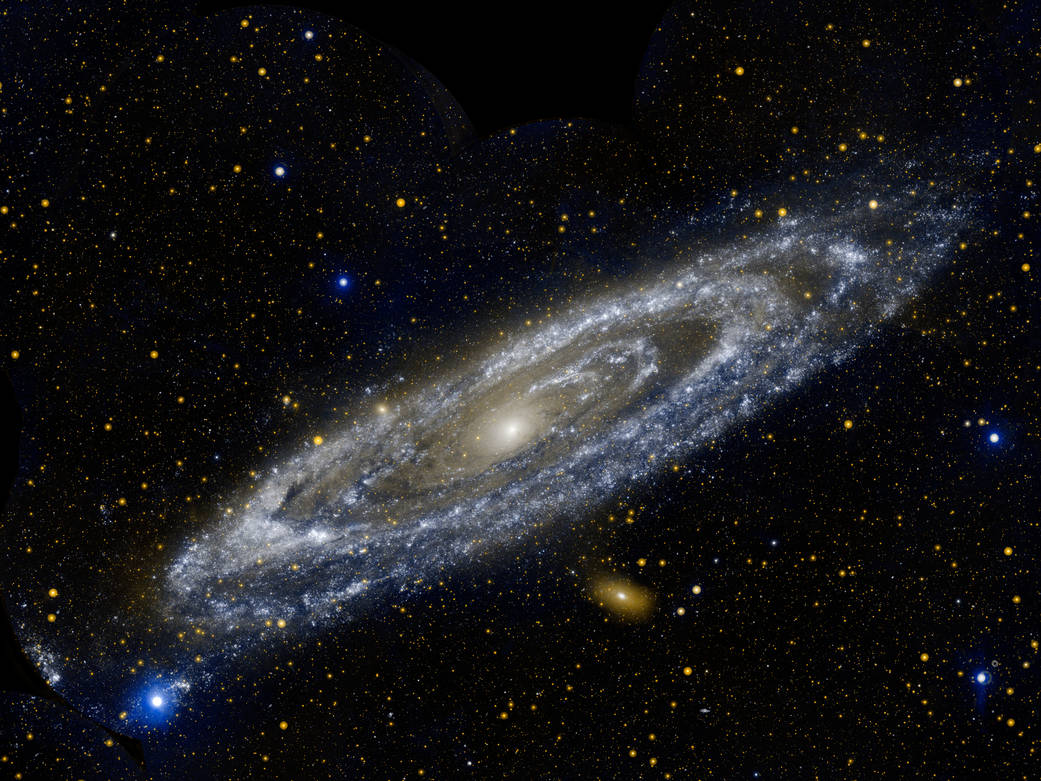
The Andromeda Galaxy, also known as M31, is the closest major galaxy to our Milky Way and the largest member of the Local Group of galaxies. Although it lies an astonishing 2.5 million light-years from Earth, Andromeda is so bright and massive that you can actually spot it with the naked eye on a dark, clear night — making it the most distant object the average person can see without a telescope.
Astronomers from NASA, ESA, and the Harvard–Smithsonian Center for Astrophysics have studied Andromeda for decades, revealing new insights about its enormous size, powerful gravitational influence, and long-term relationship with our own galaxy. What appears as a faint blur in the sky is, in reality, a sprawling star city far larger than anything in our cosmic neighborhood.
Why the Andromeda Galaxy Is So Extraordinary
1. A Galaxy With Over 1 Trillion Stars
Andromeda contains over 1 trillion stars, significantly more than the estimated 200–400 billion stars in the Milky Way. This incredible stellar population makes it one of the largest spiral galaxies in the nearby universe. Observations from the Hubble Space Telescope confirm that Andromeda’s spiral arms are filled with bright, young stars and vast nebulae where new stars are continually forming.
2. It’s Moving Toward Us — Fast
Andromeda is not drifting away like most galaxies; instead, it is racing toward the Milky Way at around 110 km/s — roughly 400,000 km/h. According to NASA and ESA’s Gaia mission, this motion is caused by the mutual gravitational pull between the two giant galaxies.
3. A Future Collision: “Milkdromeda”
In about 4.5 billion years, the Milky Way and Andromeda will collide and eventually merge. Astronomers call the result “Milkdromeda”, a single massive elliptical or lenticular galaxy. Computer simulations from NASA and the Space Telescope Science Institute show that although the galaxies will merge, most stars will pass through the collision unharmed due to the vast distances between them.
4. Home to Enormous Star-Forming Regions and Ancient Clusters
Andromeda hosts several giant star-forming regions, including NGC 206, one of the brightest young stellar associations nearby. It is also rich in globular clusters, some of which are older than 10 billion years. This makes Andromeda a key object for studying the early history of galaxies and star formation.
5. A Massive Black Hole at Its Core
At its center, Andromeda contains a supermassive black hole estimated to be tens of millions of times the mass of the Sun. Observations reported by NASA and the Chandra X-ray Observatory show energetic emissions from this core region, confirming intense gravitational activity.
6. Light Takes 2.5 Million Years to Reach Us
Even though it appears close in the night sky, the light you see from Andromeda began its journey 2.5 million years ago — long before modern humans existed. When you look at Andromeda, you are seeing it as it was during the early evolution of humanity’s distant ancestors.
A Faint Smudge With a Massive Story
The next time you step outside on a clear night and notice a small, hazy smudge in the constellation Andromeda, remember what you are truly looking at: a colossal spiral galaxy hurtling through space, filled with more than a trillion stars, and destined one day to merge with our own Milky Way.
Andromeda isn’t just our nearest major galactic neighbor —
it’s a glimpse into the future of our entire cosmic home. 🌠

News in the same category


How Carmel, Indiana Transformed Its Streets with Roundabouts, Boosting Safety, Reducing Costs, and Cutting Emissions

China Discovers the First Plant Capable of Forming Rare-Earth Minerals Inside Its Tissues

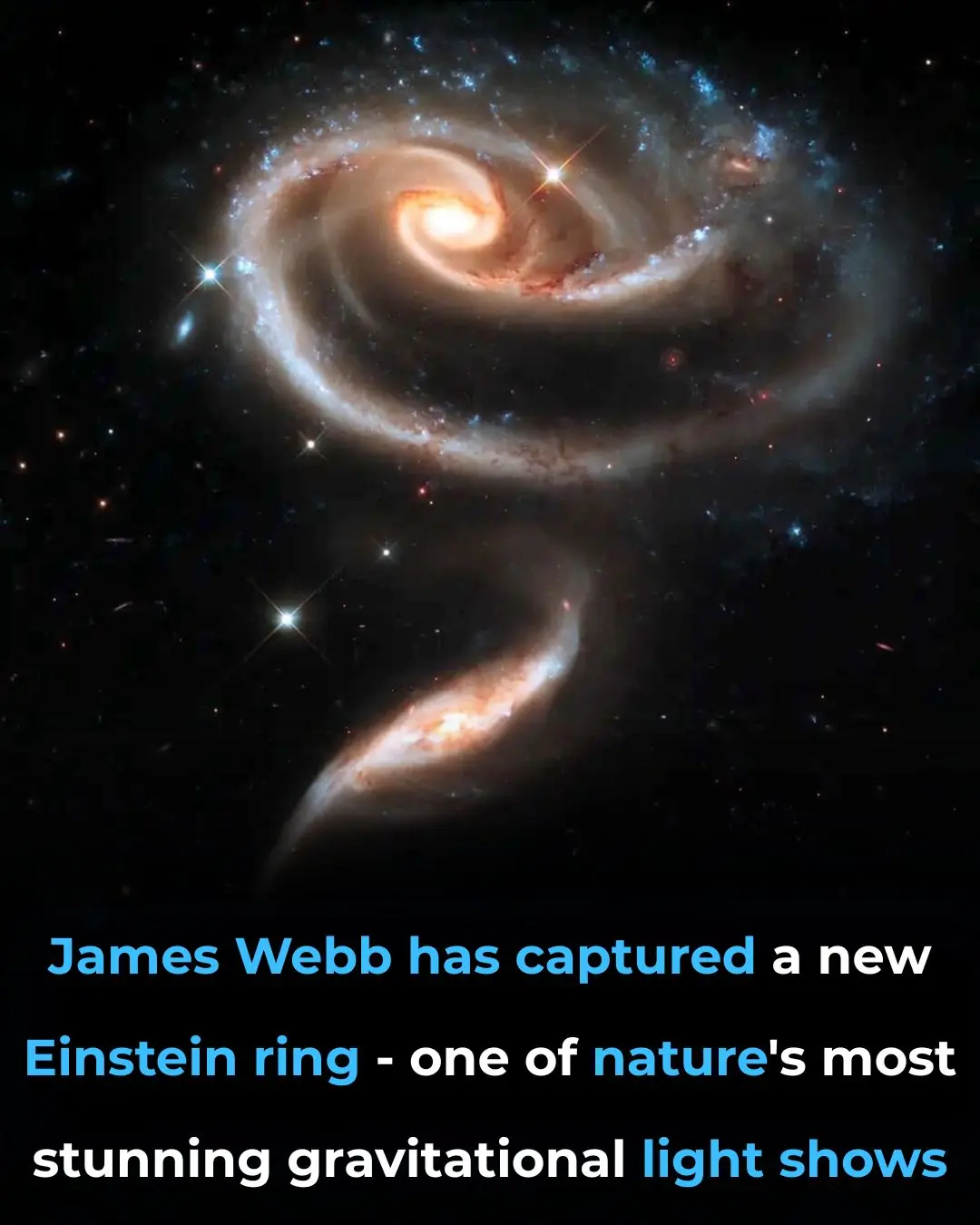
James Webb Telescope Captures Stunning Einstein Ring, Unlocking Secrets of the Early Universe

Groundbreaking Cell Therapy Offers New Hope for Spinal Cord Injury Recovery

A Soldier’s Heartfelt Moment: A Birth Across Distance and Strangers’ Applause

Japan's Groundbreaking Tsunami Wall Combines Engineering and Environmental Resilience

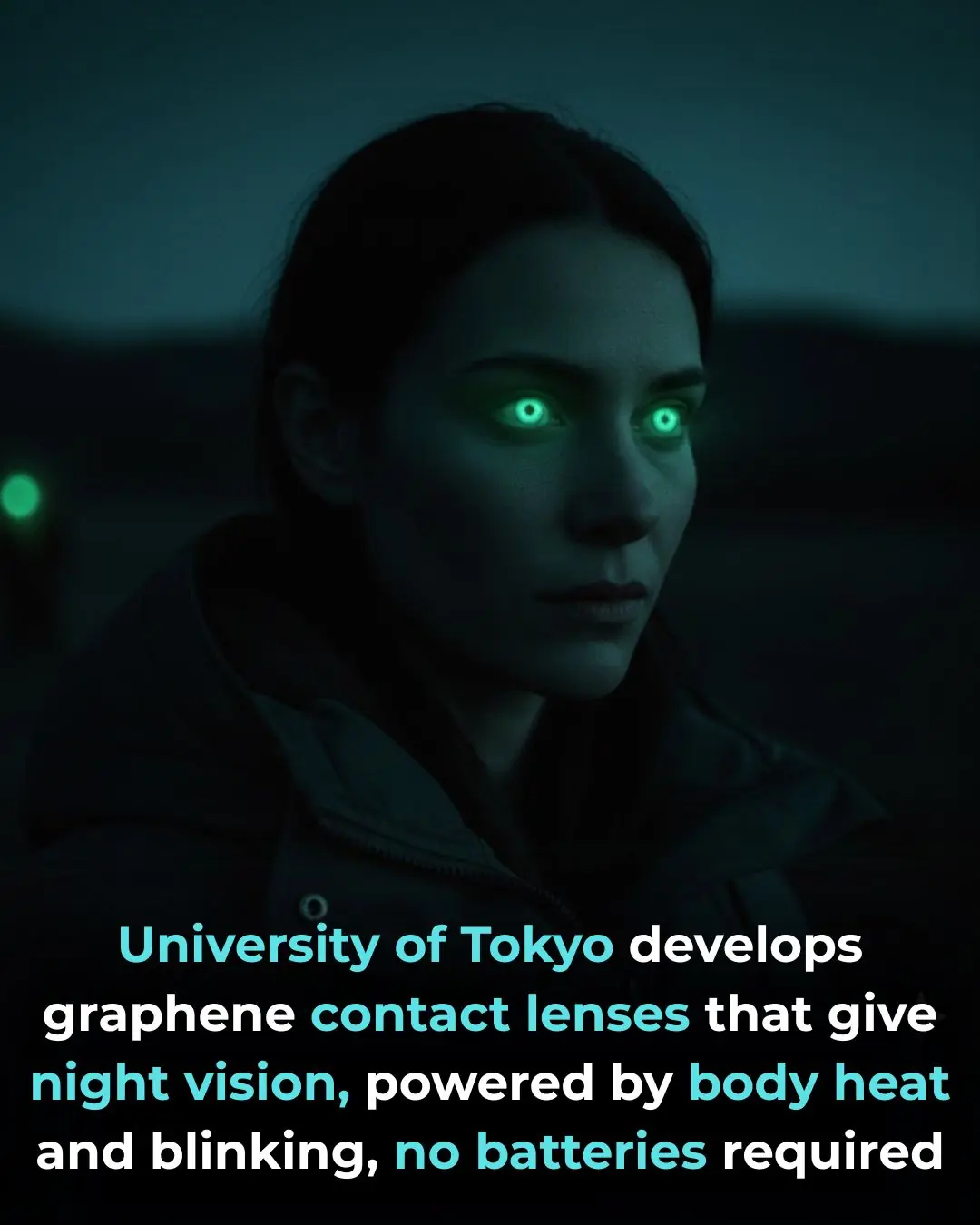
Revolutionary Contact Lenses with Night Vision Unveiled by Japanese Researchers

A Life-Changing Spinal Surgery Restores Health and Confidence

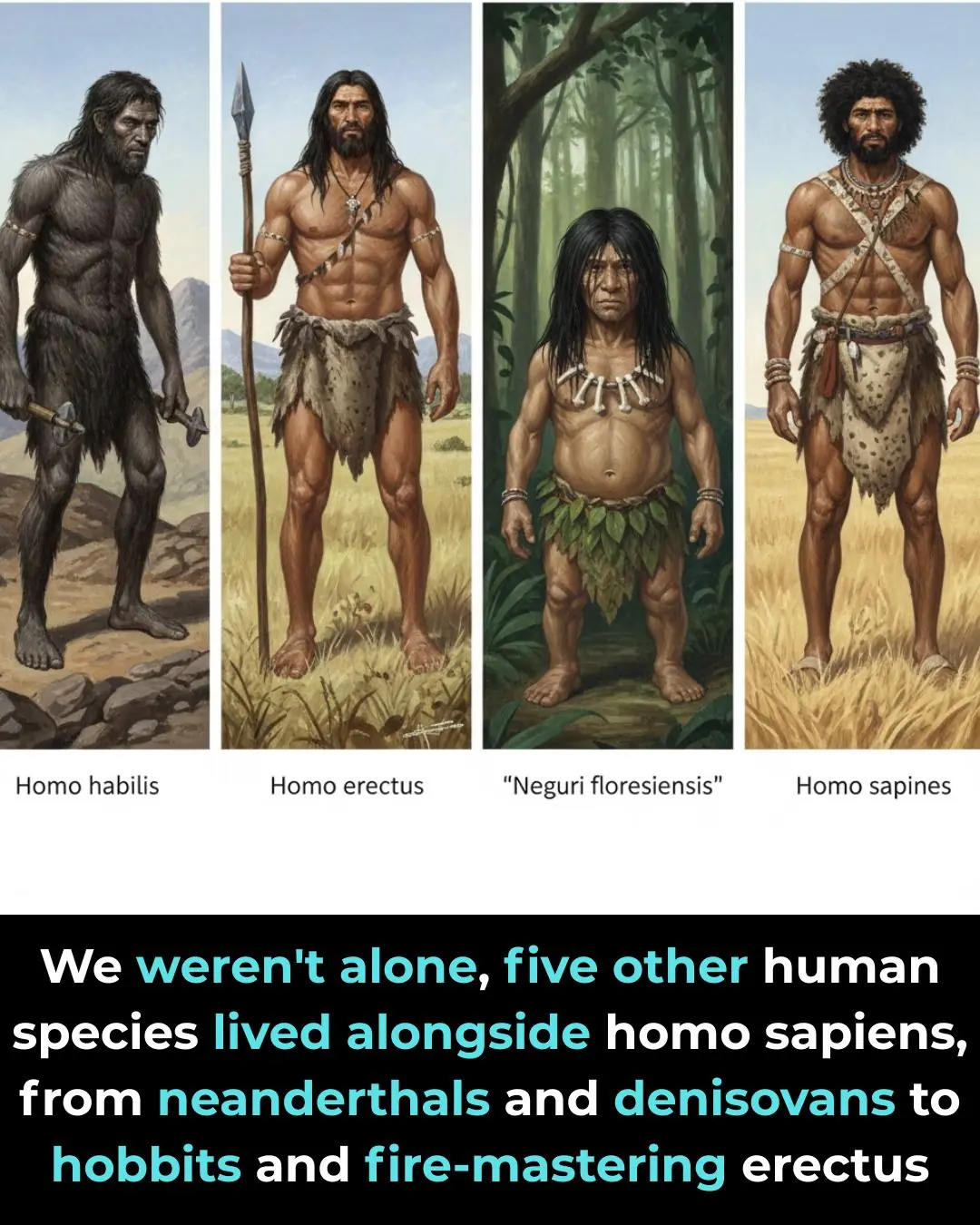
The Lost Human Species: A Glimpse Into Our Shared Past

The Swedish Oak Forest: A Symbol of Foresight and the Unpredictability of Progress

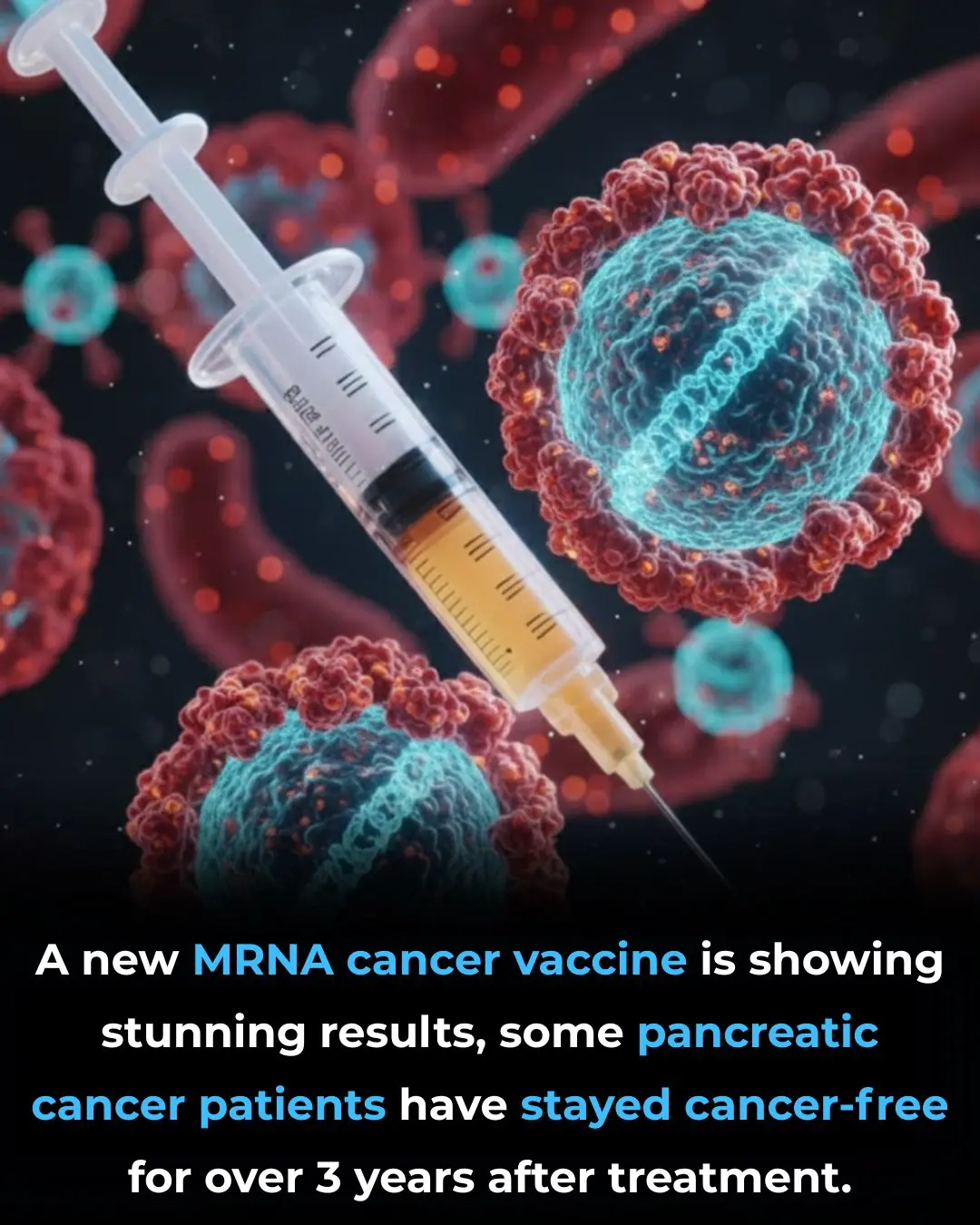
Promising New mRNA Vaccine Shows Potential to Combat Pancreatic Cancer

Plant in the Bible Said to Heal All Ailments

Why Successful People Often Wear Rings on Their Right Hand

Which Raw Food Would You Eat

88-Year-Old U.S. Army Veteran Receives Generous Retirement Gift After Viral Video Inspires Global Donations

Blood Falls: Antarctica's Mysterious Red Waterfall That Never Freezes

Brazilian Skydiver Drops 100 Million Tree Seeds to Help Restore the Amazon Rainforest

Japan Unveils Its First Hydrogen-Powered Train, Paving the Way for Clean and Sustainable Transportation

China's AI-Powered, Driverless Tractors Revolutionize Farming with 5G Connectivity and Precision Agriculture
News Post

8 Warning Signs of Ovarian Cancer Women Should Never Ignore

The Hidden Causes of Bloating — And the Fastest Way to Fix It Naturally

No Man Should Die From Prostate Cancer: The Natural Remedy Every Man Should Know

Jessica Cox: The World’s First Licensed Armless Pilot and Her Journey to Inspire the Impossible

How Carmel, Indiana Transformed Its Streets with Roundabouts, Boosting Safety, Reducing Costs, and Cutting Emissions

China Discovers the First Plant Capable of Forming Rare-Earth Minerals Inside Its Tissues

James Webb Telescope Captures Stunning Einstein Ring, Unlocking Secrets of the Early Universe

Groundbreaking Cell Therapy Offers New Hope for Spinal Cord Injury Recovery

A Soldier’s Heartfelt Moment: A Birth Across Distance and Strangers’ Applause

Japan's Groundbreaking Tsunami Wall Combines Engineering and Environmental Resilience

Revolutionary Contact Lenses with Night Vision Unveiled by Japanese Researchers

A Life-Changing Spinal Surgery Restores Health and Confidence

The Lost Human Species: A Glimpse Into Our Shared Past

The Swedish Oak Forest: A Symbol of Foresight and the Unpredictability of Progress

Promising New mRNA Vaccine Shows Potential to Combat Pancreatic Cancer

⚠️ Toxic If Improperly Prepared: The Hidden Risk of Cassava

How to Get Rid of Milia

His whole body was itchy, he thought it was an allergy but then he was diagnosed

Plant in the Bible Said to Heal All Ailments