The Surprising Heart-Healing Power of Olive Oil, Chia Seeds, and Cayenne Pepper
Health 08/12/2025 02:26

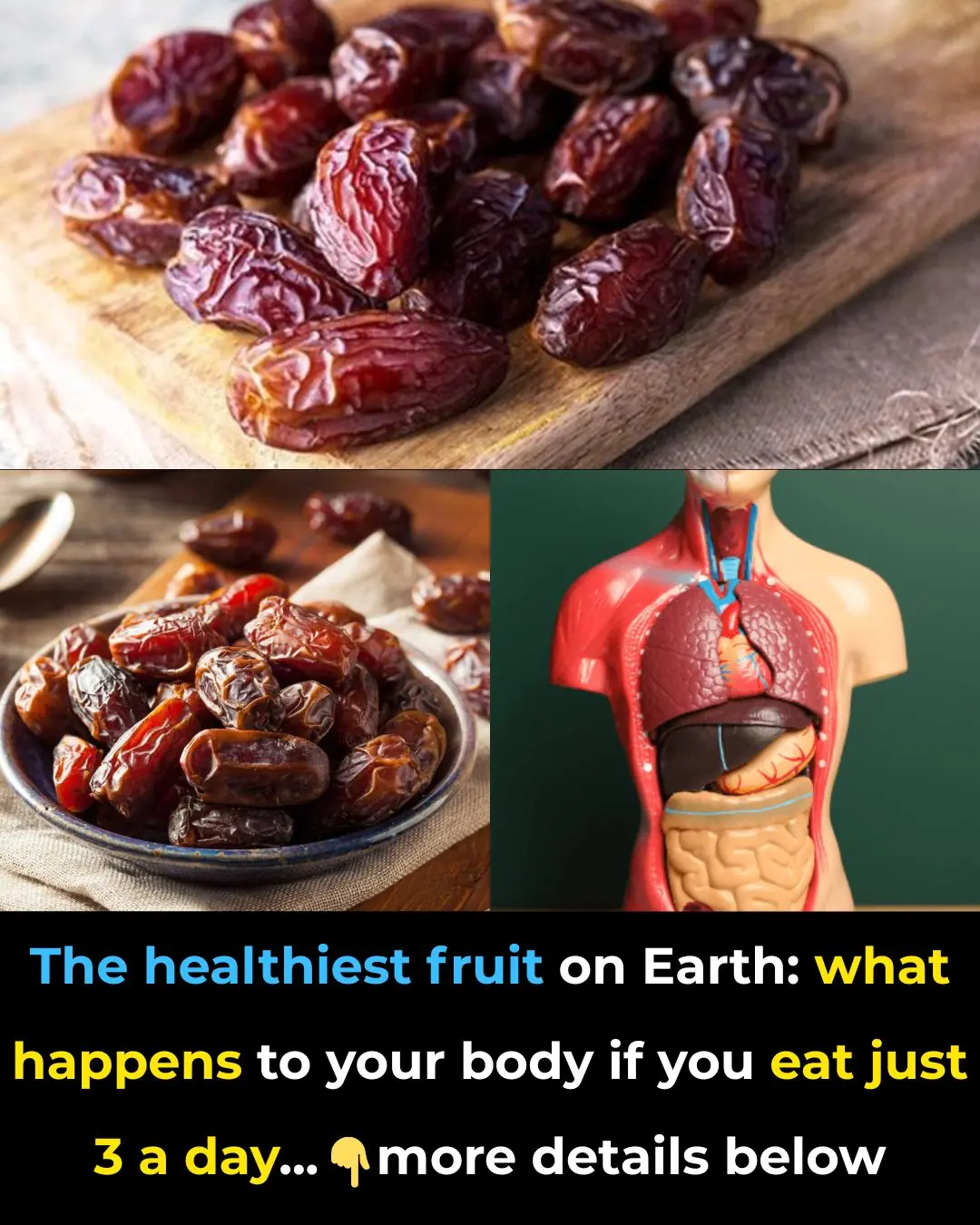
Have you ever thought of prunes as anything more than nature’s most famous constipation remedy? These chewy, sweet dried plums have long been the punchline of digestive jokes—but now, thanks to new science, they’re earning a fresh reputation as powerful allies for your bones.
Recent research is shining a spotlight on prunes not just for their fiber-filled benefits, but for their surprising connection to bone strength and long-term skeletal health. Inspired by a study that’s created real buzz online, this article breaks down how a handful of prunes could become a simple and enjoyable addition to your bone-supporting routine. Whether you're trying to prevent osteoporosis, maintain bone density, or just love discovering nutrient-packed foods, it may be time to see prunes in a whole new light.
(Insights inspired by Dr. Paul Zalzal and Dr. Brad Weening.)
Prunes are more than a natural laxative—they’re full of nutrients that support bone health.
Four key compounds in prunes (fiber, polyphenols, potassium, and boron) play roles in slowing or reducing bone loss.
A year-long randomized control trial found that daily prune consumption lowered bone density loss in postmenopausal women.
The sweet spot? Just 4–5 prunes a day made a meaningful difference.
Prunes aren’t a miracle cure, but they’re a simple, whole-food option that can easily fit into most diets.
For decades, prunes have been associated almost exclusively with digestive benefits. A spoonful of prune juice to “get things moving” is practically folklore at this point! While the fiber in prunes is indeed responsible for their famous effects, that’s just one chapter of the story.
Many people wonder whether the buzz about prunes improving bone health is real or just another Internet myth. Surprisingly, there is solid science behind the claim—and the findings are more compelling than you might expect.

Before diving into the research, let’s break down why nutrition scientists are suddenly excited about such a humble fruit. Prunes contain several nutrients and compounds that, together, may help slow down bone loss:
A serving of prunes (about 50 grams or 4–5 prunes) contains 3–4 grams of fiber. While not the highest-fiber dried fruit, prunes help nourish a healthy gut microbiome. A well-balanced gut reduces inflammation and improves nutrient absorption—both essential for maintaining strong bones.
These powerful plant antioxidants help the body fight inflammation and oxidative stress. By reducing internal inflammatory activity, polyphenols may slow the processes that lead to bone breakdown as we age.
Many modern diets are overly acidic due to processed foods, sodas, and salty snacks. When your body becomes too acidic, it may draw calcium from your bones to neutralize the acidity. Potassium helps restore balance, protecting skeletal integrity.
A little-known mineral that helps your body use calcium, magnesium, and phosphorus more efficiently—all crucial minerals for maintaining bone mass. Prunes naturally contain this valuable bone-supporting nutrient.
In 2022, the American Journal of Clinical Nutrition published a study that brought prunes into the spotlight. Here’s the breakdown for research lovers:
Study type: Randomized control trial (the gold standard in nutrition research)
Groups:
100 g prunes daily (8–10 prunes)
50 g prunes daily (4–5 prunes)
Control group (no prunes)
Duration: 12 months
All participants received: Equal amounts of calcium and vitamin D
Participants: Postmenopausal women around age 62 with low bone density
This kind of long-term diet study is rare—and incredibly useful for understanding real-world health outcomes.
Here’s where things get exciting:
The control group lost 1.1% of hip bone density over a year.
The 50-gram prune group lost only 0.3%—a 73% reduction in bone loss.
The 100-gram group had too many dropouts to analyze fully, likely due to digestive discomfort or the challenge of eating so many prunes daily.
Bottom line:
Just a small daily serving—four to five prunes—had a meaningful, measurable impact on slowing bone density loss.
Prunes appear to support bone health through multiple interconnected pathways:
Gut health: Fiber nourishes beneficial gut bacteria, which produce short-chain fatty acids that reduce inflammation and improve mineral absorption.
Lower inflammation: Polyphenols help slow down the natural bone breakdown that accelerates with age.
Acid balance: Potassium helps prevent the body from pulling calcium out of bones.
Mineral utilization: Boron boosts the efficiency of calcium and magnesium use.
It’s not one magic ingredient—it’s the combination that creates a “nutrient synergy” supporting bone strength.
Like any good scientific study, there are considerations and limitations:
Eating 8–10 prunes a day caused digestive issues and was simply too much for many participants.
Most participants were older, Caucasian, postmenopausal women. The results may differ for other ages, genders, or ethnicities.
The study received support from the California Prune Board—though the scientific methods and peer-reviewed analysis remained independent.
It’s difficult to control everything participants eat in real life. Other lifestyle factors may have played small roles.
Even with these caveats, the research is strong and suggests that small amounts of prunes can have a positive impact.
If you decide to try prunes for bone health, here’s how to make them work for you:
Start with 4–5 prunes daily—this is the amount most supported by research.
Monitor blood sugar if needed: Prunes contain natural sugars, so people with diabetes may want to space them out to avoid glucose spikes.
Swap them for another snack if you're watching calories; prunes are about 100 calories per serving.
Pair prunes with other whole foods to support overall gut and bone health.
Don’t replace medications or medical advice: Prunes are a complement, not a substitute, for osteoporosis treatments.
One of the study participants pointed out something interesting: eating prunes is a reminder of how simple whole foods can support complex aspects of health. Even if you’re not a prune fan, plenty of other polyphenol-rich foods—like berries, spinach, green tea, walnuts, and grapes—also promote better bone and gut health.
The larger message? Food matters, often more than we realize.
If your goal is to protect your bones as you age, prunes are a surprisingly effective, accessible, and delicious addition to your daily diet. With research showing that just four to five prunes per day may slow bone loss in postmenopausal women, these once-underestimated fruits deserve a second look.
Share this with a friend who loves nutrition—or someone who might appreciate a natural, food-based boost for their bone health (or their digestive system!). And remember, the small choices you make each day build the foundation for long-term well-being.