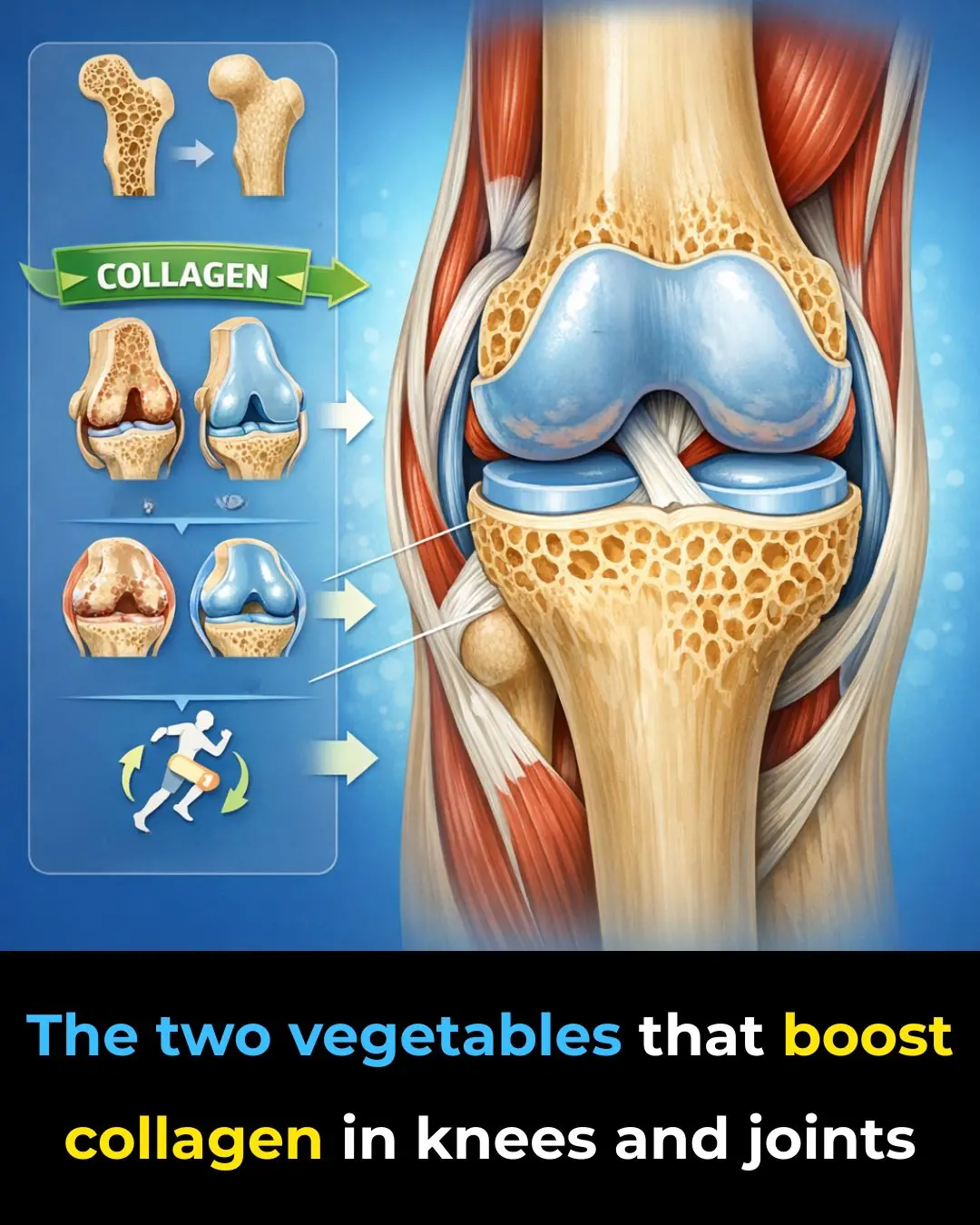
Doctors Are Amazed: Two Vegetables That Boost Collagen in the Knees and Relieve Joint Pain
Health 19/01/2026 22:44

If you keep getting yeast infections over and over again, you’re not alone—and you’re definitely not “dirty” or broken. Recurrent yeast infections are extremely common, and in most cases, they’re being triggered by everyday habits that seem harmless but quietly feed yeast overgrowth.
The good news? Once you remove these triggers, many people see major improvement.
Let’s break down exactly what you need to stop doing immediately if you want real relief.
A yeast infection happens when Candida, a natural fungus in the body, grows out of control. Normally, good bacteria keep yeast in check. But when that balance is disturbed, yeast can multiply quickly.
Recurrent yeast infections usually mean something in your lifestyle, hygiene routine, diet, or environment is constantly feeding or protecting yeast.
Skin-tight jeans, leggings, shapewear, and synthetic underwear trap heat and moisture—exactly what yeast loves.
Why this matters:
Yeast thrives in warm, damp environments. When air can’t circulate, you create the perfect breeding ground.
Do this instead:
Choose loose-fitting clothes when possible
Wear cotton underwear (or go without at home if comfortable)
Avoid staying in sweaty clothes after workouts
Many products marketed as “fresh” or “feminine” actually disrupt the natural pH balance and kill protective bacteria.
Big mistake:
Douching, scented wipes, perfumed washes, deodorant sprays
These strip away good bacteria and leave yeast free to grow.
Do this instead:
Clean the external area with plain water or mild, unscented soap
Never douche
Avoid anything with fragrance or harsh chemicals
Antibiotics kill bad bacteria—but they also kill good bacteria, which normally keep yeast under control.
After a round of antibiotics, yeast often takes over.
If you can’t avoid antibiotics:
Use probiotics during and after
Eat fermented foods (yogurt, kefir, sauerkraut)
Watch closely for early symptoms
Yeast feeds on sugar. The more sugar you eat, the more you’re feeding the problem.
This includes:
Candy, pastries, soda
White bread, white pasta
Sweetened drinks and snacks
Better choices:
Whole grains
Vegetables
Lean protein
Low-sugar fruits
Reducing sugar alone can dramatically lower yeast flare-ups.
Wet swimsuits, sweaty gym clothes, damp underwear—these create the ideal environment for yeast.
Even 30–60 minutes in wet clothing can make a difference.
New rule:
Change out of wet or sweaty clothes as soon as possible.
Chronic stress weakens your immune system. Poor sleep does the same. When immunity drops, yeast can take over more easily.
Support your body by:
Getting 7–9 hours of sleep
Managing stress with walking, stretching, breathing exercises
Taking breaks when you’re overwhelmed
Your immune system is your first line of defense.
Constant use of panty liners can trap moisture and reduce airflow.
If you wear them daily “just in case,” you may be making infections more likely.
Tip:
Use them only when necessary and change frequently.
Recurrent infections often mean the underlying cause hasn’t been fixed. Waiting too long can make infections harder to clear.
If you’re getting them frequently, it’s important to:
Review your habits
Consider professional advice
Look at diet, hygiene, stress, and medications together
Not all irritation is yeast. Using treatments repeatedly without confirmation can:
Irritate the skin
Disrupt healthy bacteria
Make symptoms worse
If infections keep returning, proper identification is important.
Recurrent yeast infections are usually a pattern, not a coincidence.
Common hidden triggers include:
Blood sugar imbalance
Hormonal changes
Tight clothing habits
High sugar intake
Frequent antibiotics
Chronic stress
Once you find and remove the trigger, many people finally break the cycle.
To reduce recurrence:
Wear breathable fabrics
Eat a balanced, lower-sugar diet
Support gut health with probiotics
Change out of wet clothes quickly
Use gentle, unscented hygiene products
Prioritize sleep and stress management
These simple changes can make a huge difference.
If you keep dealing with yeast infections, your body is giving you a signal. It’s not about being “unclean”—it’s about balance.
By stopping the habits that quietly feed yeast and starting supportive routines, you can dramatically reduce flare-ups and finally feel comfortable again.
Small changes = big relief.