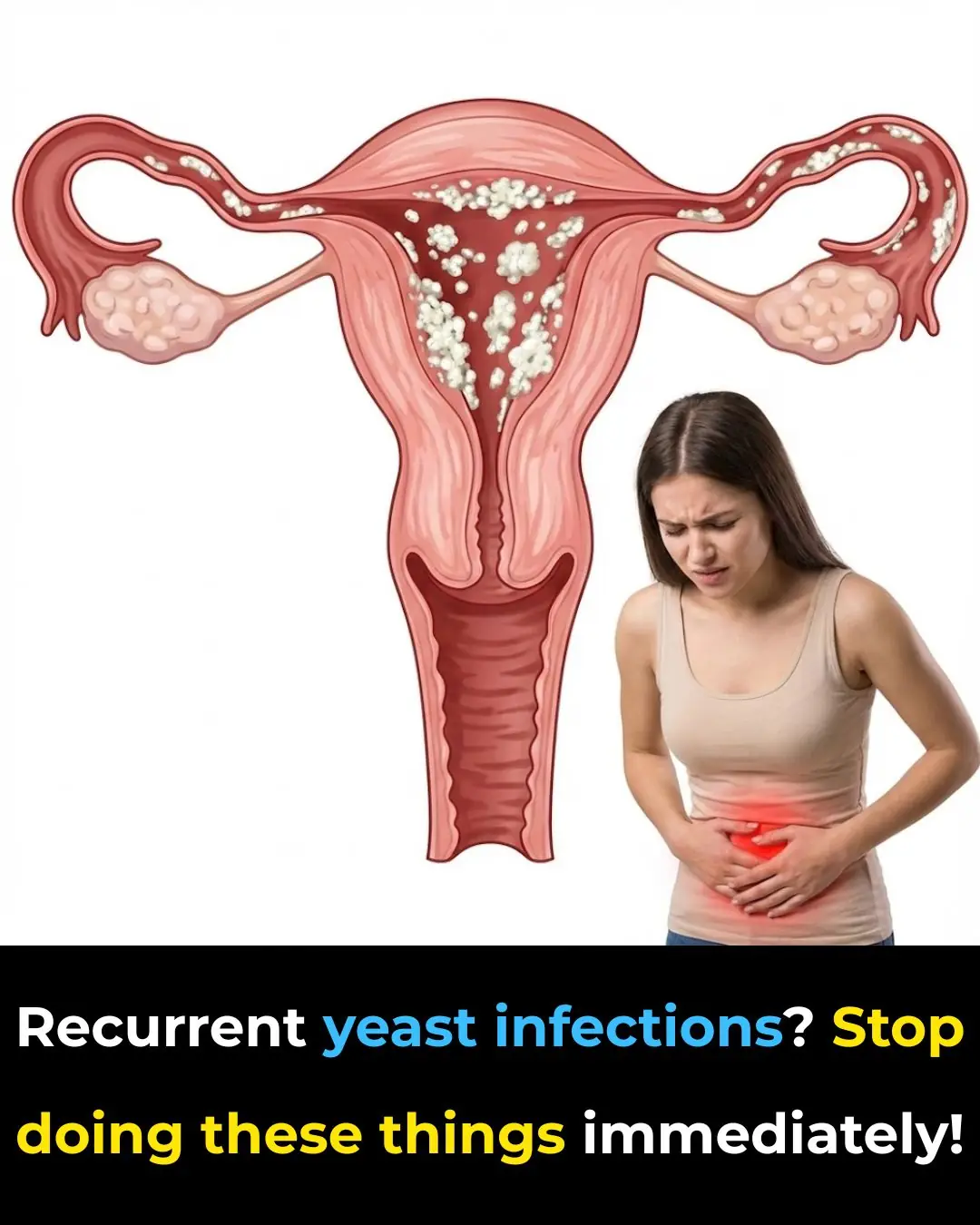
🚨 Recurrent Yeast Infections? STOP Doing These Things Immediately!
Health 19/01/2026 22:47
For decades, wisdom teeth have been regarded as little more than a nuisance — often removed to prevent overcrowding, infection, or discomfort. Yet new research reveals that these teeth may hold a surprising secret: powerful stem cells capable of repairing and regenerating tissue in the heart, brain, and bones. This breakthrough highlights an untapped potential within our own bodies to promote healing and fight disease.
Scientists have discovered that stem cells extracted from wisdom teeth can develop into different types of cells, including:
Cardiac cells that repair damaged heart tissue.
Neurons that regenerate brain pathways affected by neurodegenerative conditions.
Osteoblasts that strengthen bones and aid recovery from fractures.
This means that, in the future, discarded wisdom teeth could become a valuable source for personalised regenerative therapies, reducing the risk of rejection and side effects since the cells originate from the patient’s own body.
Stem cells are already central to modern medicine, with applications ranging from bone marrow transplants to experimental therapies for Parkinson’s disease and spinal cord injuries. What makes wisdom teeth unique is their accessibility: rather than requiring invasive procedures, stem cells can be harvested from teeth that are often removed as part of routine dental care.
Heart disease: Repairing damaged tissue after heart attacks.
Neurodegenerative disorders: Supporting neuron regeneration in conditions like Alzheimer’s or Parkinson’s.
Bone injuries: Accelerating healing and strengthening skeletal structures.
As Nature and Stem Cell Reports have noted, dental pulp stem cells show remarkable versatility, making them a promising candidate for regenerative medicine.
Experts emphasise the importance of continued research to fully understand how these stem cells can be harvested, stored, and applied safely. Key questions remain:
How long can wisdom tooth stem cells remain viable?
What are the best methods for expanding them in the lab?
How can risks such as uncontrolled cell growth be minimized?
While wisdom teeth are often considered troublesome, this study shows they could be a hidden treasure for modern medicine. Preserving extracted teeth could one day provide patients with life‑changing treatments that repair the body from within. As BBC News and The Hindu have reported, the discovery underscores how overlooked biological materials can become vital resources when science re‑examines them with fresh eyes.
References (plain text):
Nature – Research on dental pulp stem cells and regenerative potential (2024)
Stem Cell Reports – Studies on multipotent stem cells from wisdom teeth (2025)
BBC News – Coverage of breakthroughs in regenerative medicine using dental stem cells (2023)
The Hindu – Reports on stem cell research in India and its medical applications (2025)
👏 Wisdom teeth may no longer be just a dental inconvenience — they could be the key to future healing.