
The Natural Remedy Everyone Aged 30–75 Should Try
Health 19/01/2026 16:39
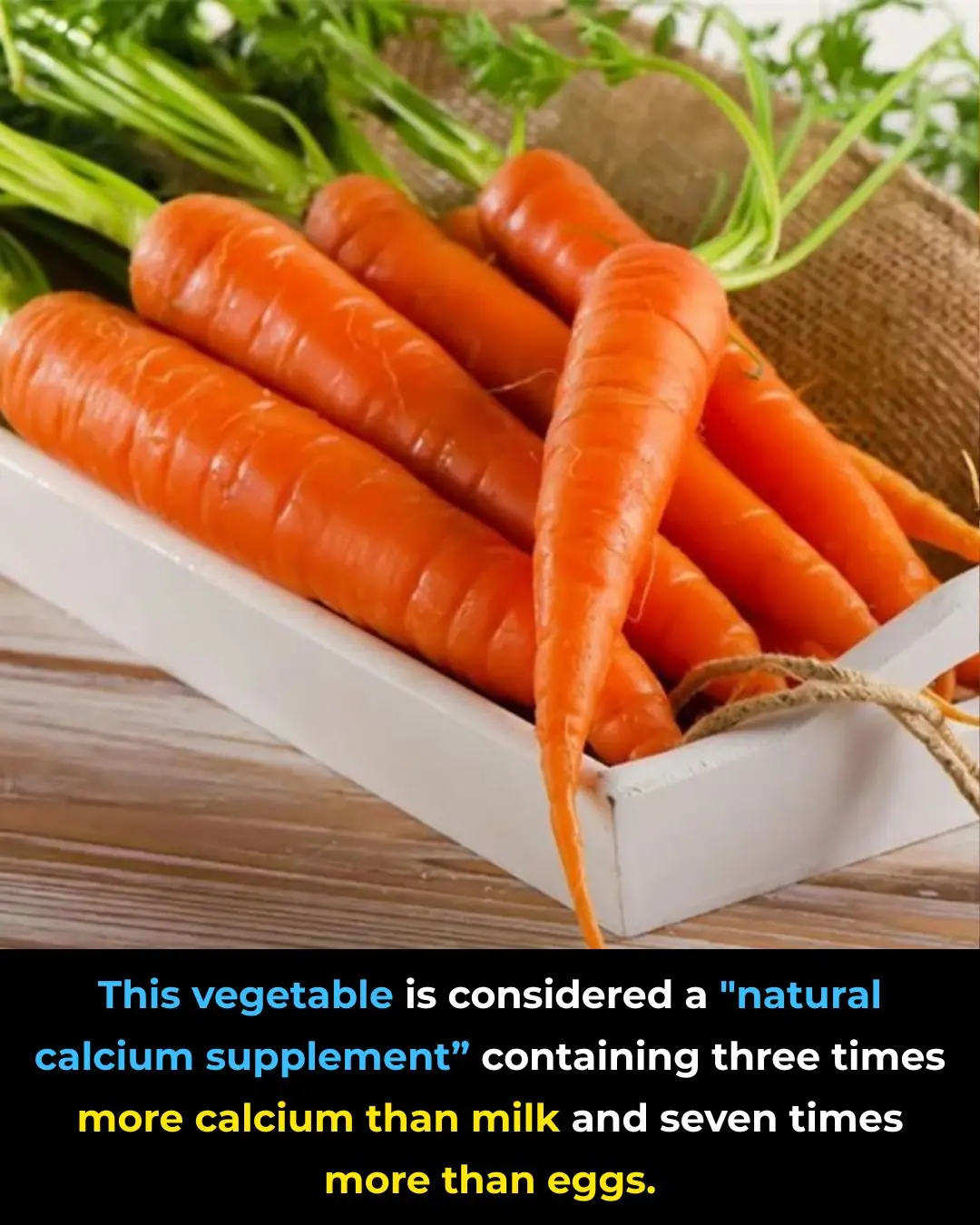
Carrot leaves are not only a nutritious vegetable but are also considered a true “natural calcium pill” in the plant world. The calcium content in carrot leaves is remarkably high—up to three times that of milk and seven times that of eggs. Specifically, 100 grams of carrot leaves contain approximately 394 mg of calcium, compared to 125 mg in milk and 55 mg in chicken eggs.
In addition to being rich in calcium, carrot leaves are an excellent source of vitamins, particularly vitamin A and carotene, which help protect eye health and improve vision. Consuming carrot leaves not only supports bone strength but also provides essential nutrients for maintaining good eyesight.
Carrot leaves have a pleasant aroma and can be prepared in a variety of dishes, such as steamed vegetables, stir-fried dishes with meat, or even savory cakes. Including carrot leaves in daily meals is a simple way to enhance both bone and eye health.
Step 1: Cut the leaves from the carrot roots and rinse them thoroughly several times under running water to remove any dirt.
Step 2: Drain the leaves well, then mix them with one tablespoon of cooking oil to retain moisture.
Step 3: Add one tablespoon of flour to the leaves and mix evenly.
Step 4: Steam the carrot leaves in boiling water for about five minutes.
Step 5: Prepare a sauce by finely chopping garlic and chili, then mixing them with light soy sauce, sesame oil, salt, and sugar to taste.
Step 6: Place the steamed carrot leaves on a plate, drizzle with the sauce, and serve.
Besides carrot leaves, Malabar spinach is also a highly nutritious vegetable. It contains a wide range of beneficial compounds, including vitamins, dietary fiber, glucans, mucopolysaccharides, β-carotene, and organic acids. Consuming Malabar spinach during the summer can help cool the body, relieve heat, support digestion, and reduce blood pressure.
Malabar spinach is particularly notable for its high calcium content, providing approximately 166 mg of calcium per 100 grams, which is about three times higher than that of regular spinach.
Moreover, Malabar spinach contains low levels of oxalic acid, making it suitable for all age groups—especially the elderly and children. It supports calcium absorption and promotes healthy digestion.
A simple dish such as stir-fried Malabar spinach with garlic is not only flavorful but also beneficial for digestive health, making it especially suitable for middle-aged and older adults.