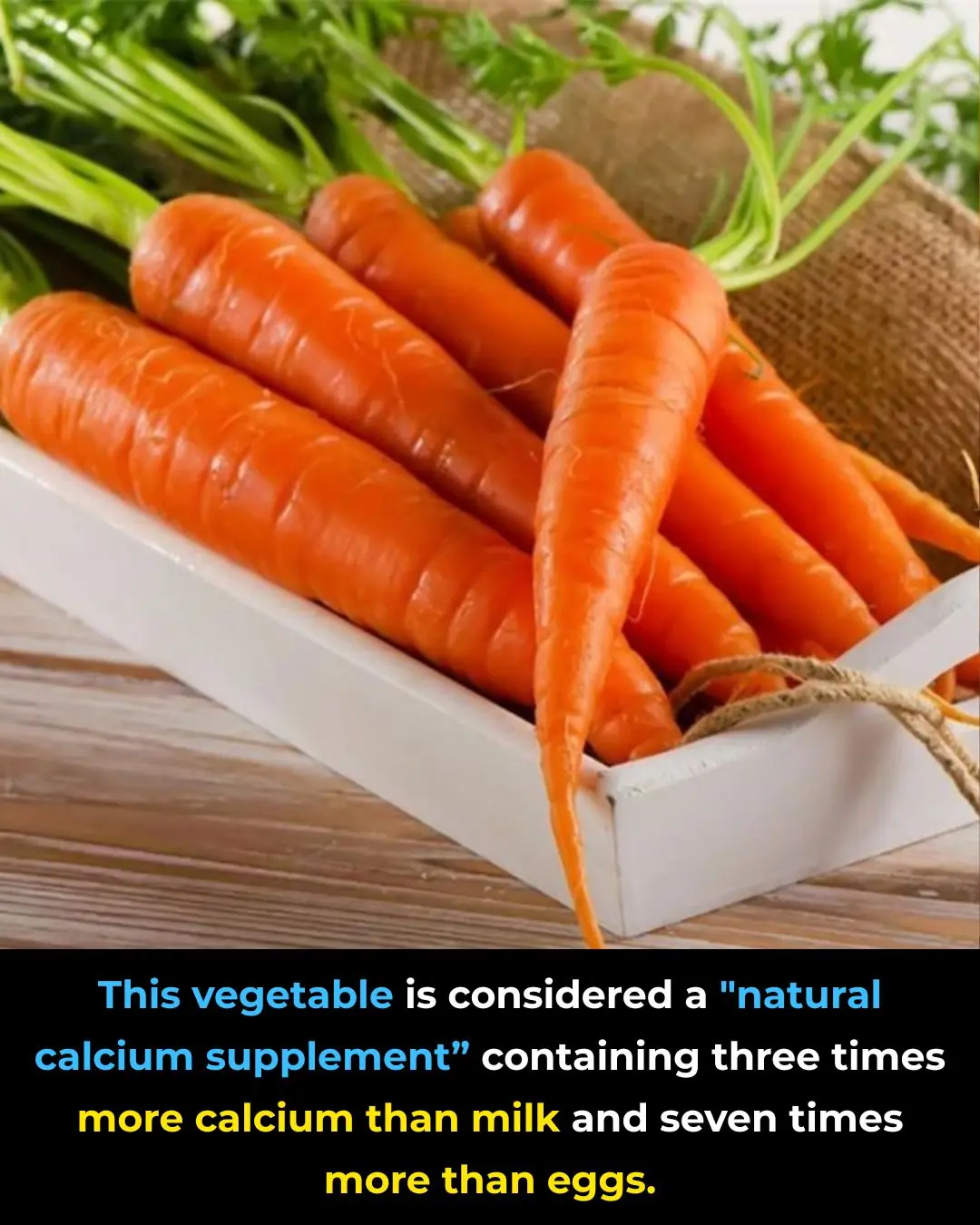
The Vegetable Known as a “Natural Calcium Pill”: Containing Three Times More Calcium Than Milk and Seven Times More Than Eggs
Health 19/01/2026 17:21

Vegetables are rich in fiber and provide essential nutrients for the body. When aiming to lose weight quickly, many people prioritize increasing their vegetable intake in daily meals.
To support weight loss, calorie-restricted diets are commonly applied. Eating more vegetables—especially non-starchy vegetables—helps reduce overall calorie intake while still ensuring adequate nutrition and promoting longer-lasting fullness.
Low-starch or non-starchy vegetables are typically low in calories and carbohydrates but high in water, fiber, vitamins, and minerals. This combination helps create a calorie deficit, improves blood sugar control, and reduces excess fat accumulation.
Below are several vegetables that can effectively support weight loss and can be easily incorporated into daily meals.
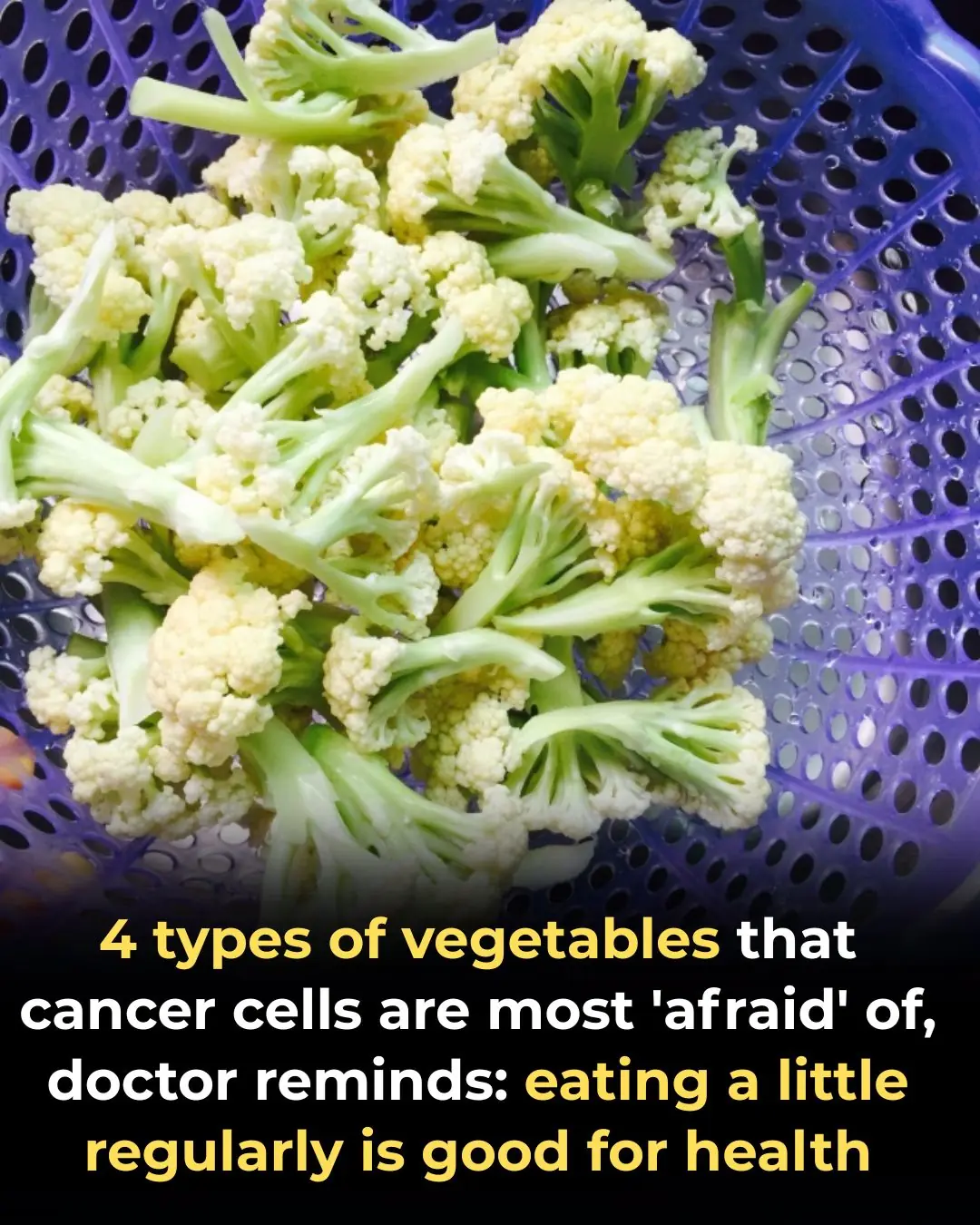
Cruciferous vegetables such as cabbage and broccoli are low in calories but high in fiber and essential nutrients, including vitamins A, C, and K. They also contain glucosinolates—sulfur-containing compounds known for their detoxifying properties and potential role in disease prevention.
The high fiber content of cruciferous vegetables supports digestion and helps with appetite control, making them beneficial for weight management.
These types of squash contain a high amount of water and are very low in calories. They provide vitamins such as vitamin B6 and vitamin C, along with other essential nutrients needed for overall health.
Both bell peppers and chili peppers offer significant health benefits. Bell peppers are rich in vitamins A, C, and E, as well as beta-carotene. Chili peppers contain capsaicin, a compound that helps suppress appetite and supports metabolism.
Both types of peppers are high in fiber and antioxidants. Bell peppers add volume and flavor to meals without contributing excessive carbohydrates, while capsaicin promotes thermogenesis and fat burning.
Radishes can be prepared in various ways, adding variety to meals. They are high in water content, low in calories, and rich in vitamin C and antioxidants that support overall health.
Asparagus is high in fiber but very low in calories. It is also rich in vitamins, minerals, and protein that help boost metabolism. In addition, asparagus contains glutathione precursors and is naturally free of starch.
Cucumbers can be eaten raw, used in salads, pickled, served as a side dish, or consumed as a light snack. They help create a feeling of fullness without adding many calories. Cucumbers are high in water, extremely low in carbohydrates, and rich in vitamin C and antioxidants that are beneficial for health.
It is important not to eliminate carbohydrates entirely when trying to lose weight. Carbohydrates, primarily found in starchy foods, play a vital role in the body’s daily functions. Along with protein and fat, carbohydrates provide essential energy.
Insufficient carbohydrate intake can lead to fatigue, reduced work performance, and impaired memory. Completely cutting out starches may also increase the risk of low blood sugar.
Rather than eliminating carbohydrates, it is healthier to reduce them moderately. A balanced meal should consist of approximately 50% vegetables and fruits, with the remaining 50% coming from carbohydrates and protein.