How to Identify Fish Contaminated with Urea: No Matter How Cheap, Don’t Buy It
Health 18/01/2026 16:57
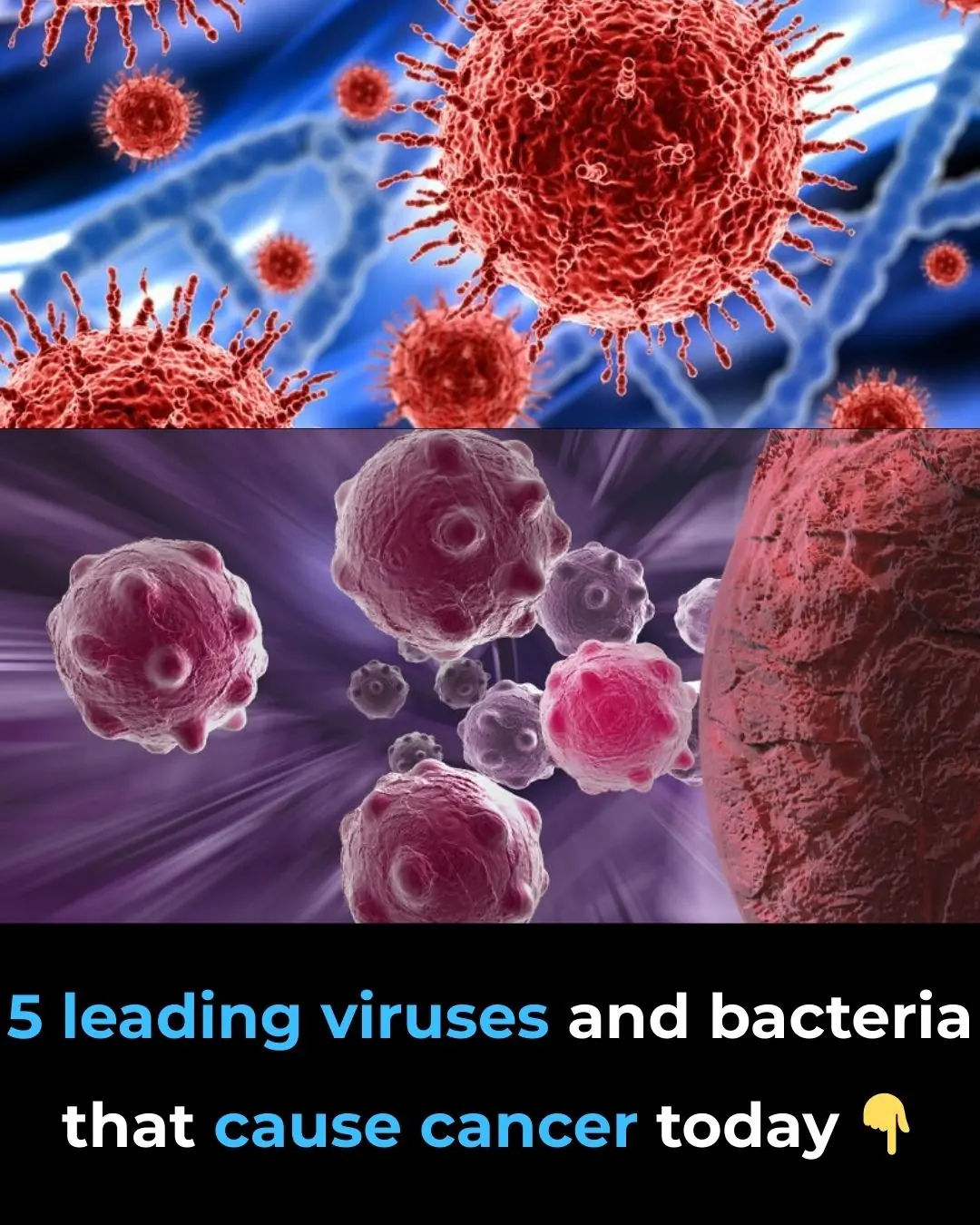
Many cancers associated with viral or bacterial infections may take years to develop symptoms, making early detection difficult. Below are five viruses and bacteria that are currently considered major contributors to cancer risk worldwide.
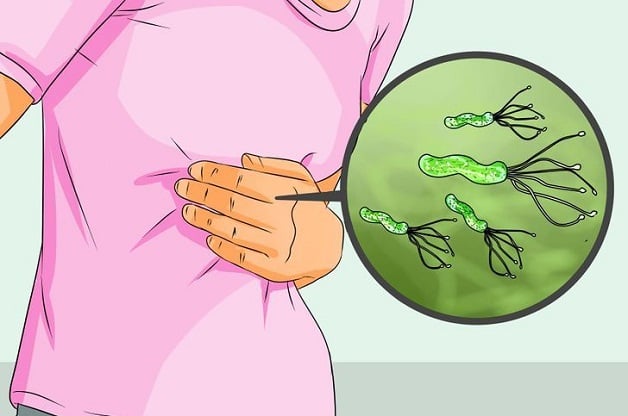
Helicobacter pylori is a bacterium that can survive in the highly acidic environment of the stomach. It is a major cause of chronic gastritis, gastric ulcers, and is strongly associated with stomach cancer.
Medical experts emphasize that persistent H. pylori infection significantly increases the risk of gastric cancer. People infected with this bacterium are advised to undergo regular health check-ups, including testing for H. pylori and endoscopic examinations, to detect abnormalities in the stomach at an early stage.
Liver cancer is one of the most common cancers in Vietnam and many other countries. The leading causes are chronic infections with Hepatitis B virus (HBV) and Hepatitis C virus (HCV).
Long-term hepatitis infection can lead to liver inflammation, cirrhosis, and eventually liver cancer. Early screening, monitoring, and appropriate treatment of hepatitis infections are crucial to reducing cancer risk.
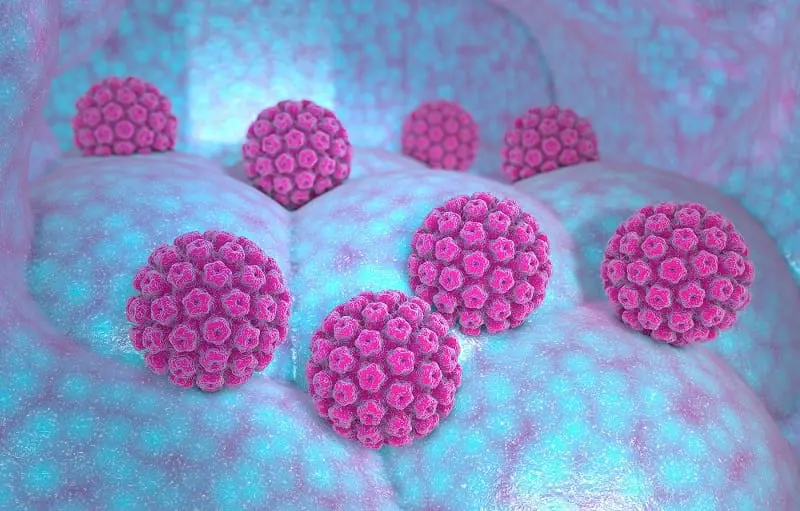
Human Papillomavirus (HPV) is a large group of related viruses, each identified by a specific type number. Certain high-risk HPV types are known to cause cancer, most notably cervical cancer in women.
HPV infection is very common and often asymptomatic, but persistent infection with high-risk strains can lead to the development of cancer over time. Regular screening and vaccination play a key role in prevention.
Numerous studies have demonstrated a strong association between Epstein–Barr Virus (EBV) and nasopharyngeal cancer. Elevated levels of EBV antibodies are commonly found in patients with undifferentiated nasopharyngeal carcinoma.
EBV is transmitted through bodily fluids, particularly saliva, and can spread through close contact such as kissing, sharing food or drinks, and oral sexual contact. Because of this, illnesses caused by EBV are sometimes referred to as “the kissing disease.”
Human Immunodeficiency Virus (HIV) weakens the immune system, reducing the body’s ability to fight infections and abnormal cell growth. HIV infection is associated with several cancers, including non-Hodgkin lymphoma, Hodgkin lymphoma, and Kaposi’s sarcoma.
HIV can also stimulate abnormal proliferation of certain immune cells, increasing the risk of genetic mutations that may lead to cancer. Practicing safe sex and preventive measures are essential to reduce the risk of HIV transmission.