Are You Up to Date on Migraine Prevention?
Health 17/01/2026 22:25
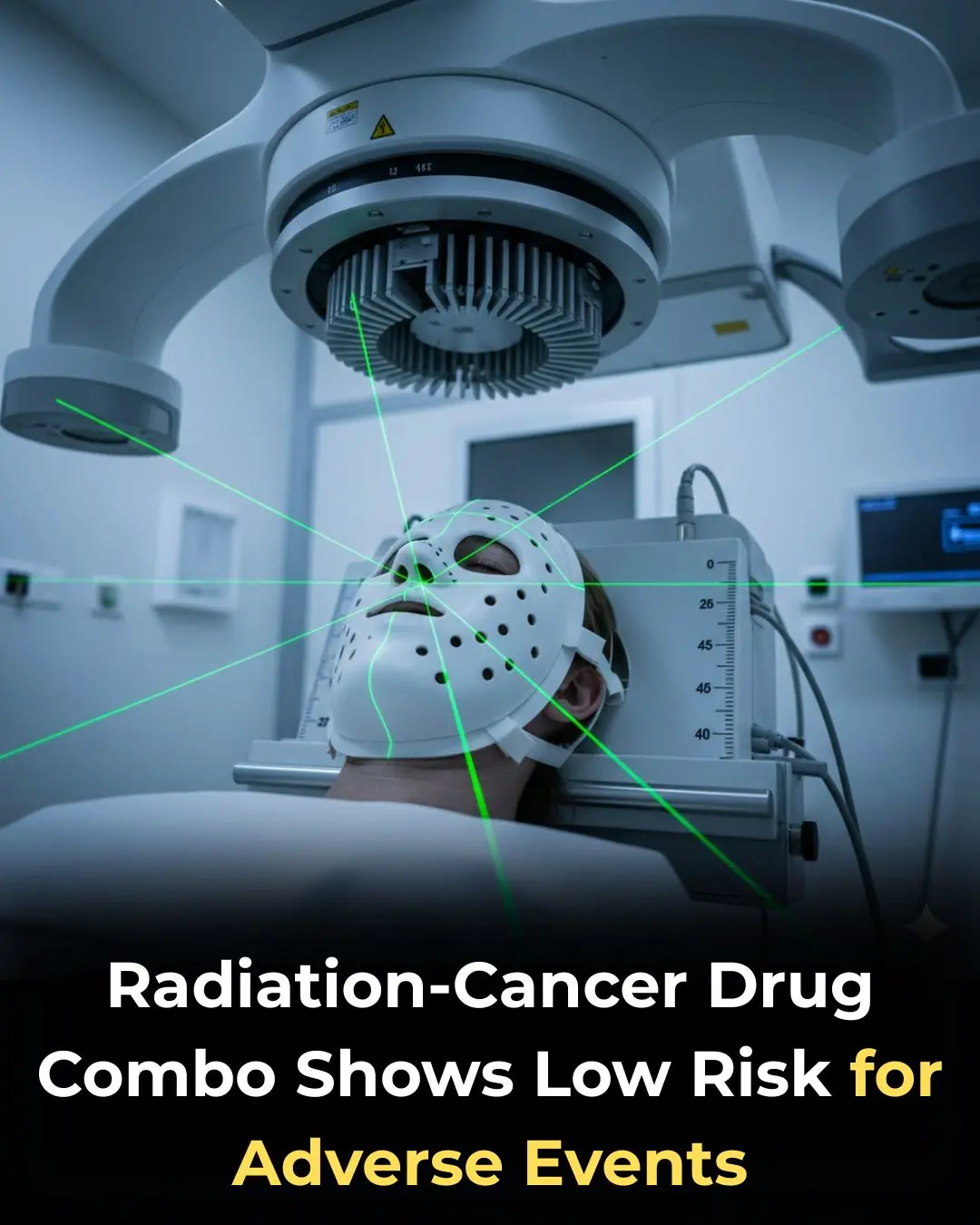
The combination of radiation therapy and systemic cancer treatments has become increasingly common in modern oncology. While this approach offers the promise of improved tumor control and prolonged survival, concerns have persisted about the potential for increased toxicity when radiation is delivered alongside biological cancer therapies. New evidence, however, suggests that these concerns may be less significant than previously feared.
A recent cohort study involving 433 patients receiving metastasis-directed stereotactic radiotherapy (SRT) in combination with biological cancer therapies found that serious adverse events were relatively uncommon. The findings support the growing view that carefully coordinated multimodal cancer treatment can be delivered safely without compromising patient outcomes.
Stereotactic radiotherapy is a highly precise form of radiation therapy that delivers high doses of radiation directly to tumor sites while minimizing exposure to surrounding healthy tissue. In patients with limited metastatic disease—often referred to as oligometastatic cancer—SRT is increasingly used to control tumor growth, delay disease progression, and potentially improve survival.
Unlike conventional radiation therapy, SRT typically involves fewer treatment sessions and relies on advanced imaging and targeting technologies. This precision has made it an attractive option for combining with systemic therapies such as targeted agents, immunotherapies, and other biological treatments.
Biological cancer therapies include a broad range of treatments such as monoclonal antibodies, immune checkpoint inhibitors, and targeted molecular agents. These therapies work by interfering with specific pathways involved in tumor growth or by enhancing the body’s immune response against cancer.
Although effective, biological therapies can alter immune function and tissue repair mechanisms, raising concerns that combining them with radiation could increase the risk of severe toxicity. For this reason, clinicians have often debated whether biological therapy should be paused during radiation treatment.
In the study of 433 patients receiving SRT alongside biological cancer therapy, severe adverse events were observed in fewer than 10% of patients overall. Acute severe adverse events—those occurring shortly after treatment—were reported in 5.3% of cases. Late severe adverse events, developing months or years after therapy, occurred in 6.3% of patients.
Importantly, the researchers found no clear association between uninterrupted biological therapy during SRT and an increased risk of severe adverse events. Patients who continued biological treatment while undergoing SRT did not experience higher toxicity compared with those whose therapy was temporarily interrupted.
Another critical finding was that interrupting biological therapy during SRT did not lead to improved safety outcomes. Moreover, treatment interruption was not associated with better survival, suggesting that pausing systemic therapy may not provide meaningful clinical benefit.
These results challenge the assumption that stopping biological therapy during radiation is necessary to reduce toxicity. Instead, they support a more individualized approach in which treatment decisions are guided by patient-specific factors rather than routine interruption.
The findings have important implications for multidisciplinary cancer care. For patients with metastatic disease, maintaining continuity of systemic therapy while delivering targeted radiation may help preserve disease control without exposing patients to excessive risk.
For clinicians, the data provide reassurance that metastasis-directed SRT can be safely integrated into treatment plans that include biological therapies. This may simplify treatment scheduling, reduce delays in care, and improve overall patient experience.
As cancer treatment becomes increasingly personalized, the ability to safely combine therapies is essential. The low incidence of severe adverse events observed in this study suggests that modern radiation techniques, when carefully planned and delivered, can complement biological therapies rather than compound their risks.
Nevertheless, experts emphasize the importance of close monitoring. Factors such as treatment site, radiation dose, type of biological agent, and individual patient characteristics all influence toxicity risk. Ongoing collaboration between radiation oncologists and medical oncologists remains crucial.
While the results are encouraging, further prospective studies are needed to confirm these findings across different cancer types and biological therapies. Future research may also help identify subgroups of patients who are most likely to benefit from uninterrupted combination therapy.
As evidence continues to evolve, these insights are likely to contribute to updated clinical guidelines and more confident use of combined radiation and biological treatments.
The combination of metastasis-directed stereotactic radiotherapy and biological cancer therapy appears to be both effective and safe for most patients. With fewer than 10% experiencing severe adverse events and no clear benefit from interrupting systemic therapy, the study supports continued integration of these approaches in modern cancer care.
By demonstrating that treatment intensity does not necessarily translate into increased harm, these findings mark an important step toward more seamless, patient-centered oncology treatment strategies.