Exercise Linked to Better Outcomes in Patients With Hypertension
Health 17/01/2026 14:01
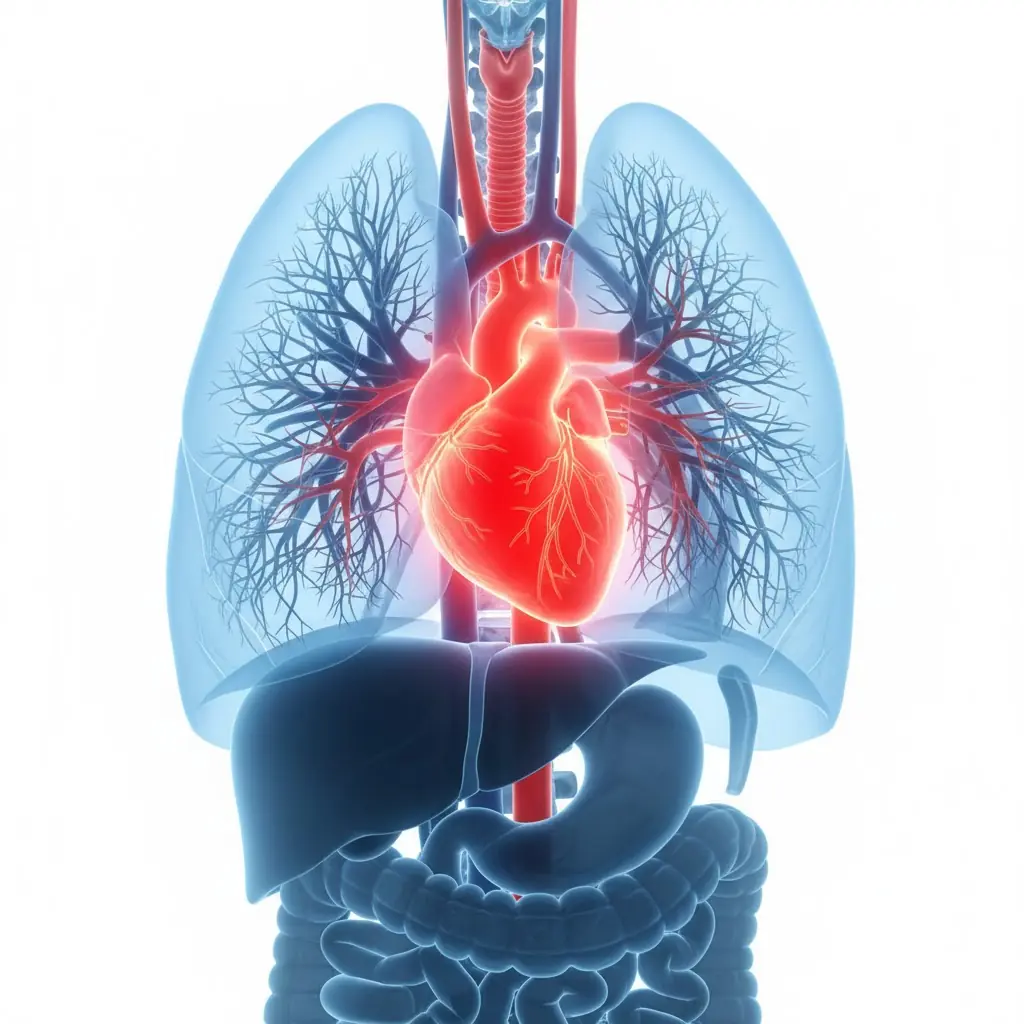
For decades, obesity has often been described merely as a risk factor for cardiovascular disease (CVD). However, a growing body of scientific evidence now clearly establishes obesity as a chronic, relapsing, and progressive disease in its own right. This distinction is critical, because obesity directly alters metabolic, hormonal, inflammatory, and cardiovascular pathways—well before overt complications such as hypertension, diabetes, or dyslipidemia appear.
This continuing medical education (CME) review explores the biology of obesity, its direct impact on cardiovascular health, and why even modest weight loss can meaningfully reduce cardiovascular risk.
Obesity is characterized not simply by increased body mass, but by dysregulated adipose tissue function. Adipose tissue is an active endocrine organ that secretes hormones, cytokines, and bioactive molecules—collectively known as adipokines—that influence nearly every organ system.
Chronic Low-Grade Inflammation
Excess adipose tissue promotes persistent systemic inflammation through increased production of inflammatory mediators such as TNF-α, IL-6, and C-reactive protein. This inflammatory state contributes directly to endothelial dysfunction and atherosclerosis.
Insulin Resistance and Metabolic Dysfunction
Obesity disrupts insulin signaling, leading to hyperinsulinemia and impaired glucose metabolism. These changes accelerate vascular damage even in individuals without diagnosed diabetes.
Neurohormonal Dysregulation
Altered leptin, ghrelin, and insulin signaling in the central nervous system affects appetite regulation, satiety, and energy expenditure—making obesity biologically self-perpetuating rather than a simple behavioral issue.
Adipose Tissue Expansion and Ectopic Fat
When subcutaneous fat storage capacity is exceeded, fat accumulates in ectopic sites such as the liver, heart, pancreas, and skeletal muscle. This ectopic fat is strongly linked to cardiometabolic disease.
Obesity exerts independent and additive effects on cardiovascular health, beyond traditional risk factors.
Increased blood volume and cardiac output lead to left ventricular hypertrophy
Myocardial fat infiltration impairs contractility
Diastolic dysfunction becomes more common, increasing the risk of heart failure with preserved ejection fraction (HFpEF)
Endothelial dysfunction reduces nitric oxide availability
Arterial stiffness increases systolic blood pressure
Accelerated atherosclerotic plaque formation raises the risk of myocardial infarction and stroke
Obesity is associated with atrial enlargement and fibrosis, increasing atrial fibrillation risk
Prothrombotic changes elevate the likelihood of venous and arterial thrombosis
One of the most clinically important insights from recent data is that substantial cardiovascular benefits can be achieved with relatively modest weight loss.
5–10% weight loss is associated with:
Significant reductions in systolic and diastolic blood pressure
Improved lipid profiles, including lower triglycerides and higher HDL cholesterol
Improved insulin sensitivity and reduced progression to type 2 diabetes
Decreased systemic inflammation
Improvements in cardiovascular risk markers often occur before reaching “normal” BMI thresholds, emphasizing that health benefits are not dependent on achieving ideal body weight.
Clinical and observational studies demonstrate that weight reduction:
Lowers the incidence of heart failure
Reduces the burden of coronary artery disease
Improves functional capacity and exercise tolerance
Enhances overall survival in high-risk populations
Recognizing obesity as a disease transforms prevention strategies. Rather than focusing solely on downstream conditions, early intervention targeting excess adiposity can alter the trajectory of cardiovascular disease.
Effective obesity treatment requires a multimodal, long-term strategy, including:
Nutritional interventions tailored to metabolic health
Regular physical activity with realistic adherence goals
Behavioral therapy addressing neurobiological drivers of eating
Pharmacotherapy targeting appetite regulation and energy balance
Metabolic and bariatric surgery for appropriate candidates
Importantly, ongoing treatment is often necessary, reflecting the chronic nature of the disease.
For clinicians, redefining obesity as a disease rather than a lifestyle failure carries important implications:
Reduces stigma and improves patient engagement
Encourages early, proactive treatment
Supports the use of evidence-based medical therapies
Aligns obesity management with other chronic disease models
Addressing obesity directly can significantly enhance cardiovascular prevention efforts and improve long-term patient outcomes.
Obesity is not merely a risk factor—it is a complex, biologically driven disease with profound effects on cardiovascular structure and function. Its impact begins early, progresses silently, and amplifies the risk of nearly every major cardiovascular condition. Crucially, evidence shows that even moderate weight loss can substantially improve cardiovascular risk, underscoring the value of early and sustained intervention.
By understanding the biology of obesity and treating it as a core target for prevention, healthcare professionals can dramatically improve cardiovascular health and reduce the global burden of heart disease.