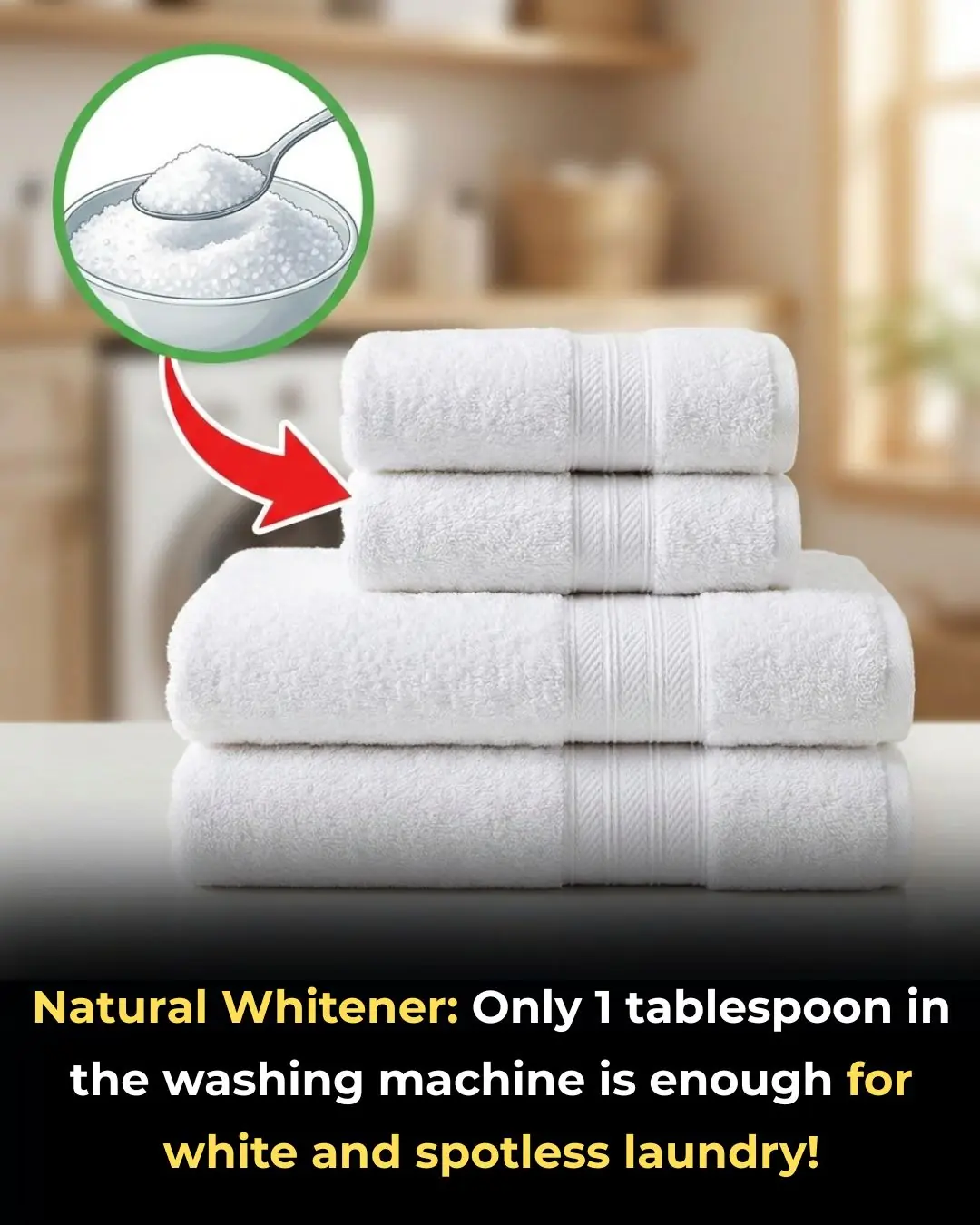
How to Whiten Laundry Naturally
Tips 16/01/2026 16:36
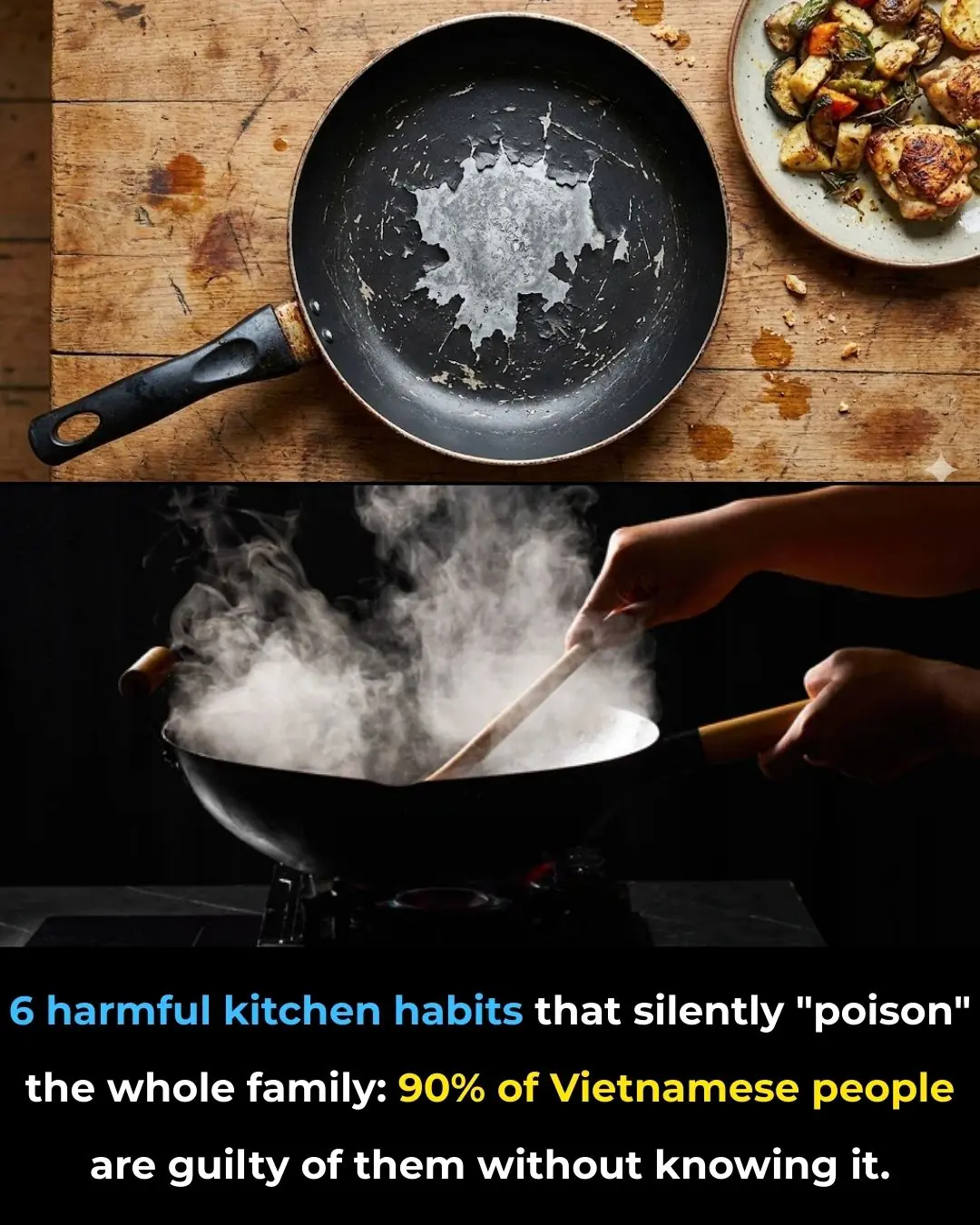
90% of Vietnamese Households Make These Mistakes Without Realizing It
Many everyday kitchen habits, though seemingly harmless, can pose serious long-term health risks if repeated over time. Below are six common but dangerous practices that many families unknowingly maintain.
To avoid waste, many people keep used frying oil for later use. In reality, oil that has been heated—especially at high temperatures—produces harmful oxidation compounds such as aldehydes and acrolein. These substances can damage cells, increase oxidative stress, and raise the risk of cancer if they accumulate in the body over time.
According to Truong Hong Son, MD (Vietnam Institute of Applied Medicine), repeatedly reheated oil not only loses nutritional value but also generates toxic substances that may harm the liver and kidneys and increase the risk of chronic diseases.
Recommendation:
Avoid reusing cooking oil as much as possible. If reuse is unavoidable, only reuse it once for low-temperature cooking and filter out food residues before use.
For convenience, many households use a single cutting board for raw meat, fish, vegetables, and cooked foods. This habit creates an ideal pathway for cross-contamination, allowing harmful bacteria from raw foods to spread to ready-to-eat items.
The Vietnam Food Safety Authority (Ministry of Health) identifies this practice as one of the leading causes of foodborne bacterial contamination in home kitchens.
Recommendation:
Use at least two separate cutting boards—one for raw foods and one for cooked foods or vegetables. Clean cutting boards regularly with hot water and salt or lemon to disinfect them effectively.
Many people continue using old non-stick pans even when the coating has peeled or scratched. Damaged non-stick surfaces can release chemical compounds into food during cooking, potentially disrupting hormone function and negatively affecting long-term health.
Research published in Environmental Health Perspectives (USA) suggests that prolonged exposure to degraded non-stick coatings may interfere with thyroid function.
Recommendation:
Replace pots and pans immediately when the non-stick coating shows signs of wear or peeling. This is an important investment in your family’s health.
Heavily seasoned food may taste better, but excessive salt, sugar, and monosodium glutamate (MSG) can place a heavy burden on the body. Long-term high salt intake increases the risk of hypertension and cardiovascular disease, while excessive sugar consumption contributes to obesity and type 2 diabetes. MSG, when used in large amounts, may cause headaches or fatigue in sensitive individuals.
The World Health Organization (WHO) recommends that adults consume no more than 5 g of salt and 25 g of free sugar per day.
Recommendation:
Develop the habit of lighter seasoning. Enhance flavor naturally by using herbs and spices such as garlic, onion, ginger, pepper, and herbs instead of excessive salt or sugar.
Many people believe food must cool completely before being stored in the refrigerator to protect the appliance. In fact, cooked food left at room temperature for more than two hours—especially when the ambient temperature exceeds 30°C—becomes an ideal environment for bacterial growth.
According to the National Institute of Nutrition (Vietnam), cooked food should be refrigerated within two hours after preparation to minimize bacterial proliferation.
Recommendation:
Divide food into smaller containers, allow it to cool slightly, and refrigerate promptly. This also makes reheating easier and safer.
On hot days, turning on a fan while cooking may feel more comfortable. However, fans can spread grease particles, smoke, and dust throughout the kitchen, causing them to settle on food and surfaces. This reduces hygiene and may negatively affect food quality.
Recommendation:
Instead of using a fan, open windows, use a range hood, or install proper ventilation to keep the kitchen cool and well-aired without contaminating food.
Many of these habits stem from convenience or thrift, but over time they can seriously affect your family’s health. Making small adjustments in the kitchen today can help prevent long-term health risks tomorrow.