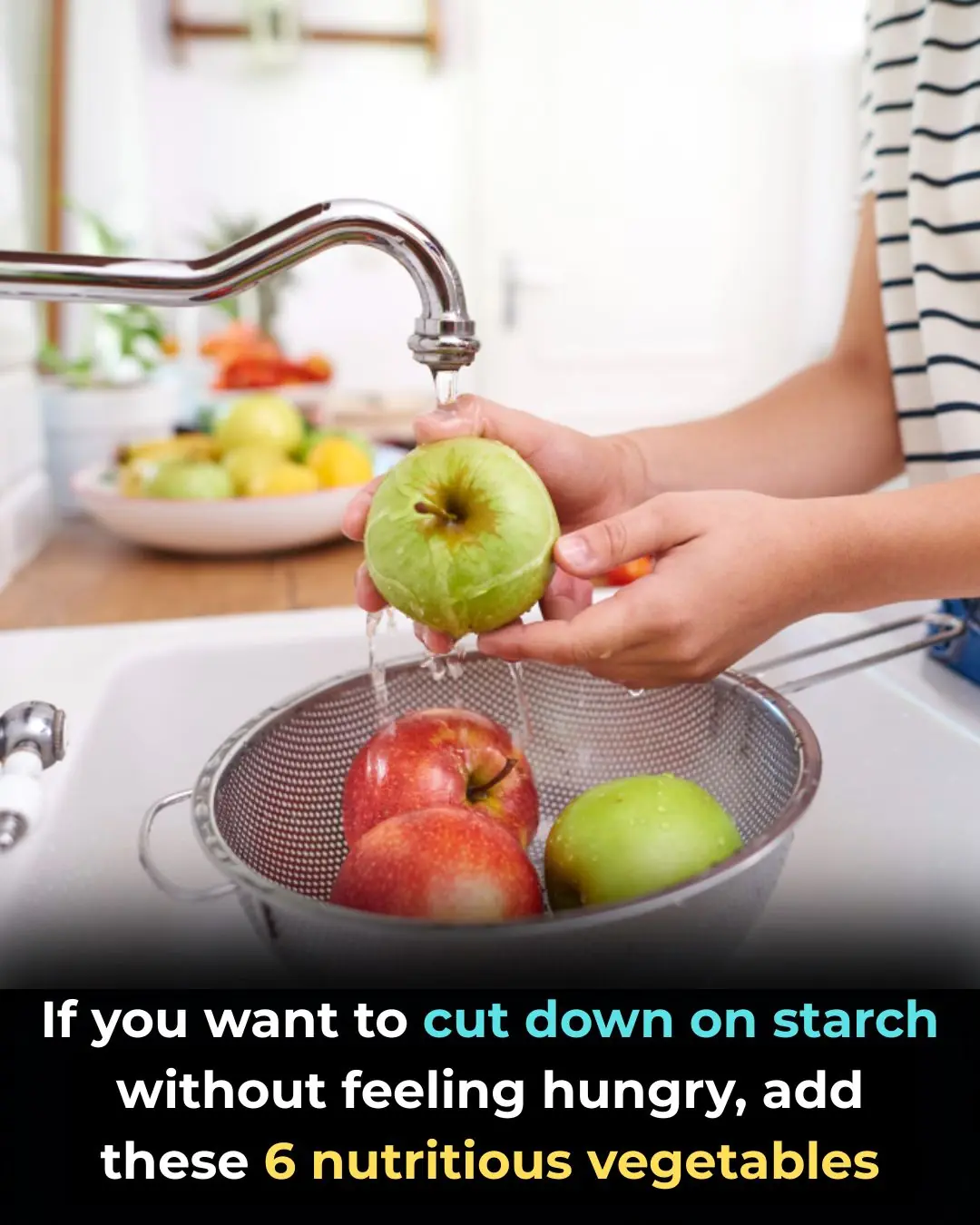
Want to Cut Back on Starches Without Feeling Hungry? Add These 6 Nutritious Vegetables to Your Diet
Health 19/01/2026 14:20

You don’t need to rely on years of experience to choose a good crab. Simply observing one key detail on the crab’s shell can help you determine whether it is fresh and packed with meat.
Crabs are relatively expensive seafood, so choosing the wrong one can be disappointing and wasteful. A crab that looks large but lacks meat will shrink significantly after cooking, resulting in a dish that is far from satisfying. Below are several simple yet effective tips to help you select fresh, firm, and meaty crabs.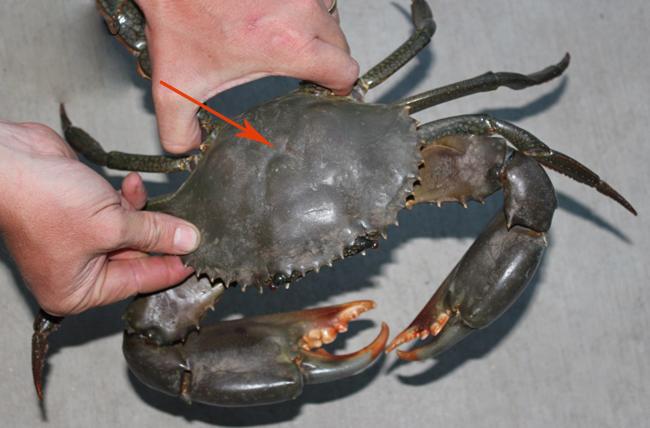
At the market, a basket full of live crabs can be confusing—especially for first-time buyers. Without proper knowledge, it is easy to end up with watery, underweight crabs or ones that are no longer fresh. These crabs tend to have bland flavor and significantly less meat after cooking.
Fortunately, you can easily identify a high-quality crab by carefully examining its shell and body.
Look closely at the crab’s shell. Crabs with visible ridges or slightly raised patterns on the shell are usually older and have firmer, tastier meat. Their shells often have a slightly yellowish hue.
You can also gently press the shell and body. A good crab will feel hard and solid. Avoid crabs with thin legs, greenish shells, or shells that feel soft, spongy, or easy to crack—these are signs of low meat content.
Check the apron on the underside of the crab. A firm, opaque gray apron that feels hard when pressed is a good sign.
According to experienced crab sellers, male crabs—identified by a small, triangular apron—usually contain more meat and less water than female crabs, making them a better choice if you want firm flesh.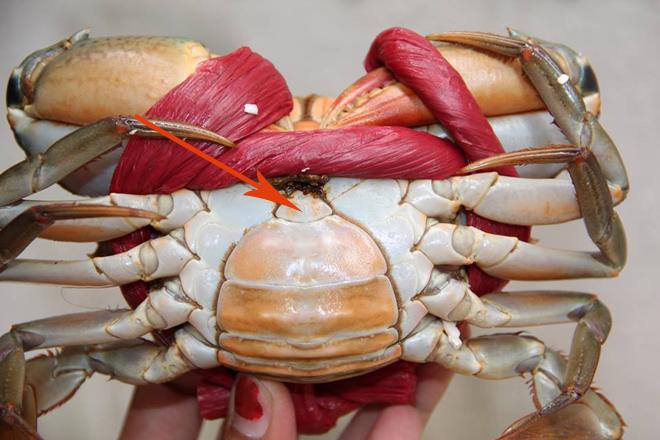
Choose crabs that are lively and active. Fresh crabs will have tightly attached aprons, strong leg and claw movements, and sharp, intact spikes on their shells and claws.
Fresh, meaty crabs often have joints between their legs that appear pinkish-red or dark pink. This color indicates the crab has been recently caught and still contains a high meat content.
Select crabs with smooth, shiny shells. Wrinkled or dull shells suggest the crab has been stored for too long or tied up for extended periods, causing loss of moisture and meat.
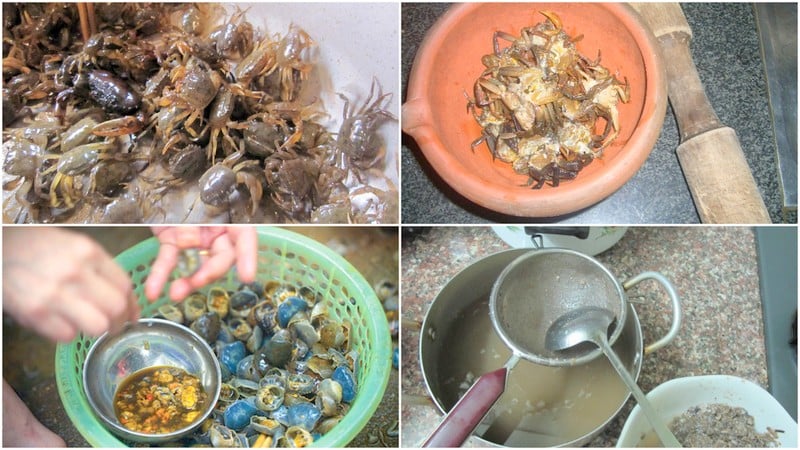
Live crabs have strong claws and can pinch painfully, so wearing thick gloves during preparation is recommended.
Before cooking, remove the crabs from cold storage and let them return to room temperature. Wash the shell, legs, claws, and underside thoroughly.
Split the crab, remove the shell, and discard the triangular flap inside the body. Separate the roe and crab fat into a bowl, keeping only the meat and legs.
Crabs can be prepared in many ways. Popular methods include:
Stir-frying (with tamarind, garlic, or tomato sauce)
Cooking in soups or glass noodle dishes
Steaming, which is the simplest method and best preserves the crab’s natural sweetness
Regardless of the cooking method, keep the seasoning simple so the natural flavor of the crab meat remains the highlight of the dish.