
A Massive Spider Megacolony Thriving in a Sulfur-Fueled Cave Ecosystem
Facts 17/12/2025 05:41
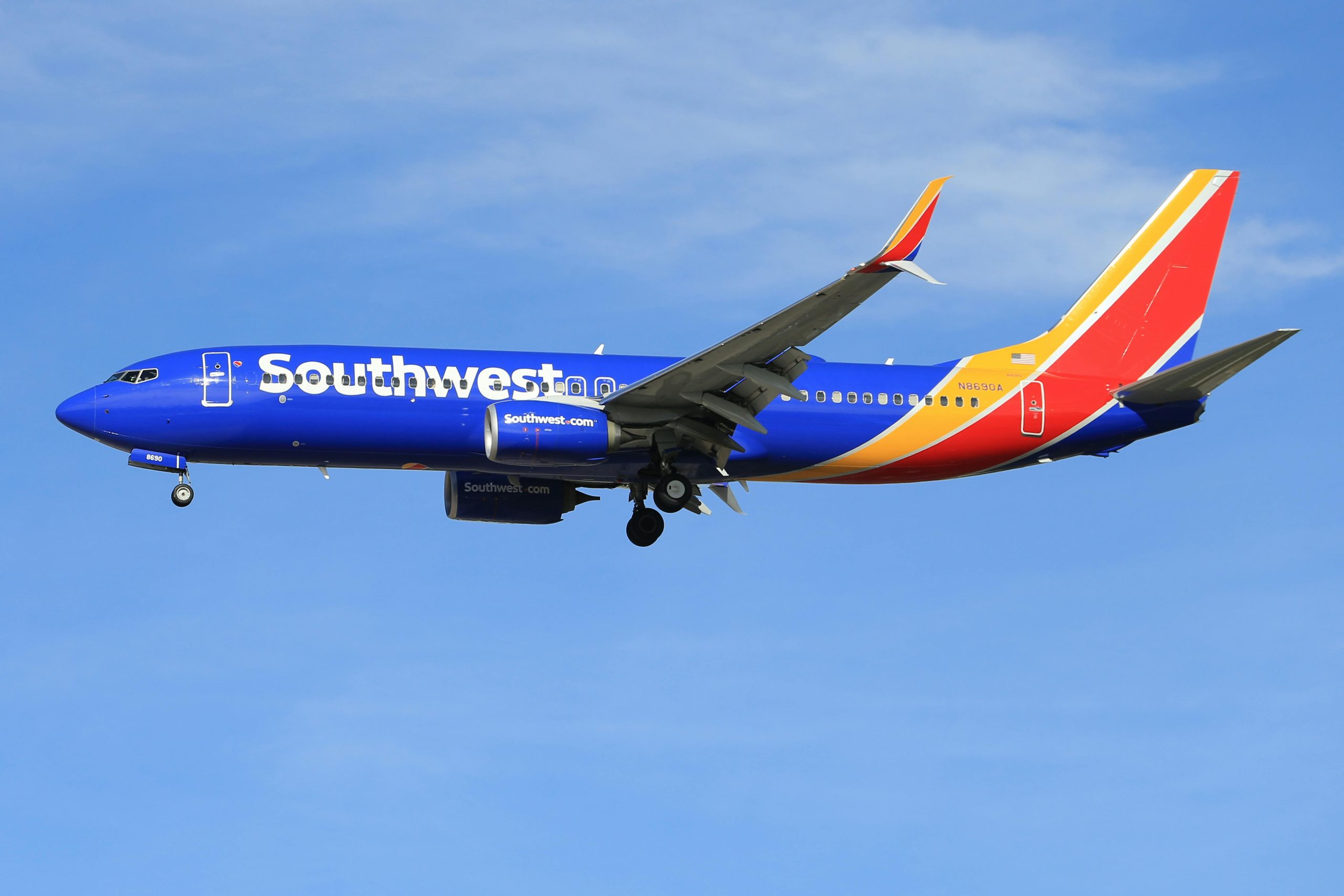
For decades, Southwest Airlines distinguished itself from other U.S. carriers through a policy many plus-size travelers described as humane, practical, and quietly transformative. While air travel has long been physically and emotionally uncomfortable for passengers whose bodies do not fit into increasingly narrow airplane seats, Southwest offered a rare alternative that emphasized dignity, discretion, and flexibility. That reputation, however, is now facing serious scrutiny.
Beginning January 27, 2026, Southwest will implement a revised policy requiring passengers who cannot sit comfortably within a single seat—with both armrests fully lowered—to purchase an additional seat in advance. Although refunds for the extra seat may still be possible, they will no longer be guaranteed. The announcement has triggered widespread discussion and disappointment among travelers who viewed Southwest as one of the last major airlines to prioritize inclusion over rigid, profit-driven policies.
As Southwest simultaneously prepares to introduce assigned seating for the first time in its history, the policy change represents more than an operational update. It marks a fundamental shift in how the airline defines accessibility, comfort, and fairness in modern air travel.
For years, Southwest’s Customer of Size policy stood out as the most inclusive among major U.S. airlines. Rather than relying on weight limits, measurements, or public assessments, the policy used a private, functional standard: if a passenger could not sit comfortably in one seat with both armrests lowered without encroaching on another seat, they qualified for additional space.
Passengers previously had two options. They could purchase an extra seat at booking and receive a full refund after completing their flight, or they could request a complimentary additional seat at the gate, provided one was available. Both approaches aimed to ensure safety, comfort, and dignity—for the customer of size and for neighboring passengers.
This policy earned Southwest praise from disability advocates, plus-size travelers, and travel industry analysts. It minimized public embarrassment, reduced gate confrontations, and acknowledged a reality many airlines ignore: airplane seats have become smaller while the diversity of passenger bodies has not. For many travelers, fitting into a single seat is not merely uncomfortable—it is physically impossible.
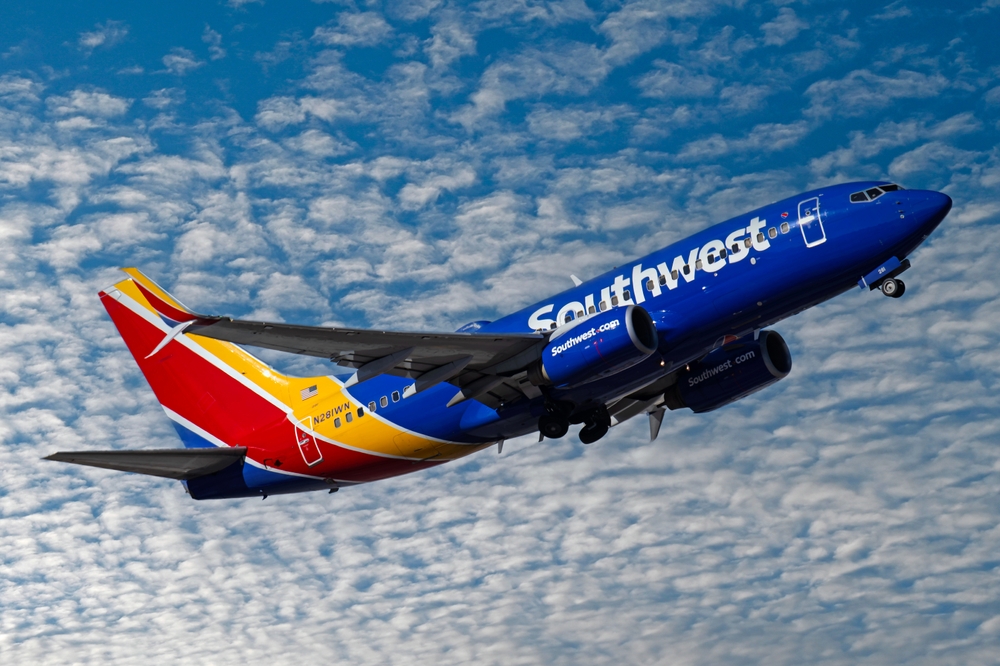
Under the new rules, passengers who require extra space must purchase an additional seat in advance. The option to request a complimentary seat at the gate will be eliminated entirely.
Refunds will now be conditional. To qualify, the flight must depart with at least one open seat, both seats must be purchased in the same fare class, and the passenger must request the refund within 90 days of travel. If any condition is not met, the refund will not be issued.
Passengers who arrive at the airport without having purchased the additional seat and are deemed to need one will be required to buy it on the spot. If no adjacent seat is available, they will be rebooked on a later flight.
Southwest has stated that these changes are intended to reduce uncertainty and ensure seat availability as the airline transitions to assigned seating. According to the company, advance purchases allow customers to secure the space they need while improving boarding efficiency.

The policy update coincides with one of the most dramatic changes in Southwest’s history. For decades, the airline’s open seating model allowed passengers to choose seats upon boarding—a defining feature of its brand identity.
Starting January 27, 2026, Southwest will adopt assigned seating. While this offers predictability for some travelers, it significantly alters the experience for passengers who require accommodations.
Under assigned seating, flexibility diminishes. Seat maps, fare classes, and availability now dictate access to space. For plus-size travelers, planning ahead becomes mandatory, not optional. If adjacent seats are unavailable during booking, customers must contact Southwest directly, adding stress to an already sensitive process.
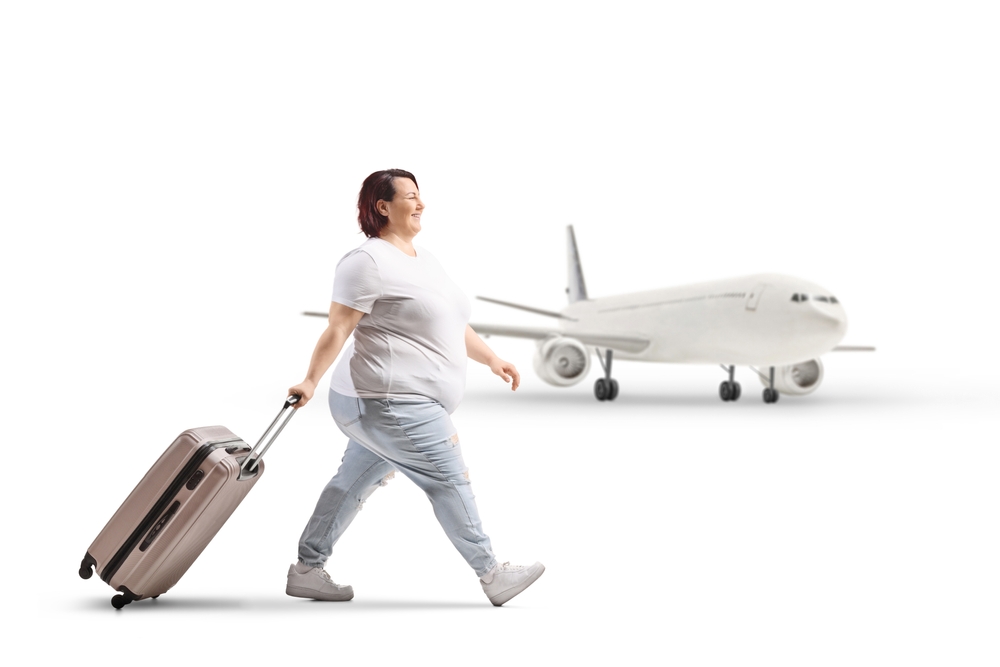
Reaction from the plus-size community has been swift and emotional. Many see the policy as a regression after years of progress. The loss of guaranteed refunds is particularly concerning, as purchasing an extra seat can add hundreds of dollars to travel costs.
Critics argue that comfort and safety should not function as optional upgrades for certain bodies. Previously, passengers could discreetly resolve seating needs at the gate. Now, they must anticipate scrutiny and financial risk before arriving at the airport.
There is also concern about long-term consequences. As flights grow fuller, refund eligibility becomes less likely, potentially discouraging travel altogether or forcing passengers to choose airlines with wider seats but fewer accommodations.
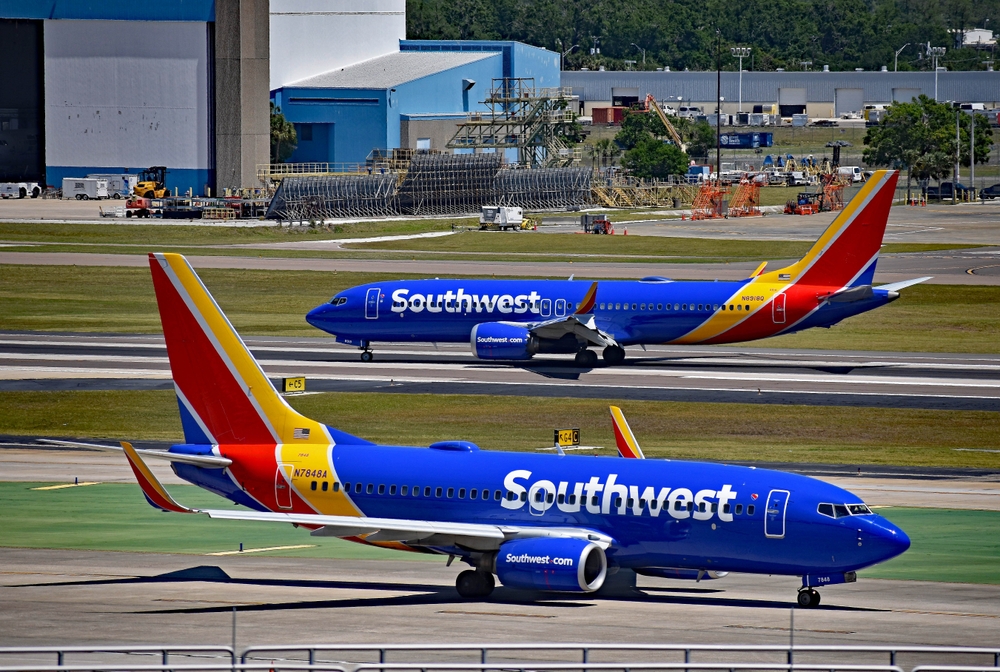
Despite backlash, Southwest remains more accommodating than most U.S. airlines. American Airlines, United, Spirit, Frontier, Delta, and Hawaiian Airlines generally require the purchase of a second seat at full price with no refund option.
Southwest’s policy still allows refunds under certain conditions, avoids weight-based criteria, maintains the armrest standard, and preserves preboarding privileges. For many travelers, this still makes Southwest the least restrictive option—though no longer the most inclusive.
Industry analysts note that Southwest faces mounting financial pressure, competition, and demands from activist investors. Recent changes—including premium legroom fees, red-eye flights, and the end of two free checked bags—signal a shift toward revenue optimization.
Assigned seating enables inventory control, seat upgrades, and predictable earnings. Critics argue these efficiencies come at the cost of trust, particularly among loyal passengers who relied on Southwest’s historically people-first policies.
Passengers affected by the new policy should review seat maps carefully, ensure both seats are purchased in the same fare class, and submit refund requests promptly. Extra seats cannot be used in exit rows, and seatbelt extenders must meet FAA standards.
Most importantly, travelers should budget for the possibility that refunds may not be issued if flights are full—a reality that shifts financial risk onto the passenger.
The controversy underscores a growing issue across the airline industry. As seats shrink and planes fill, questions arise about who air travel truly accommodates.
For plus-size travelers, this is not about convenience—it is about safety, dignity, and equal access. Advocates argue that airlines must eventually reconcile seat design with passenger diversity rather than treating larger bodies as exceptions.
Southwest once built its reputation on simplicity, friendliness, and customer-centered values. The Customer of Size policy embodied those ideals. The new rules suggest alignment with industry norms rather than leadership.
Whether this evolution strengthens or weakens the brand remains uncertain. What is clear is that Southwest is no longer the outlier it once was—and for many travelers, that loss is deeply felt.
Southwest’s decision marks a turning point in how airlines approach inclusivity. While the airline still offers more accommodations than most competitors, the removal of guaranteed refunds and gate-based flexibility has left many passengers feeling unheard.
For travelers, awareness and preparation are now essential. For the industry, the debate raises a larger question: will progress in aviation be measured only in profits, or also in how respectfully passengers of all bodies are treated?