A 2013 study conducted by researchers
Facts 16/12/2025 19:42
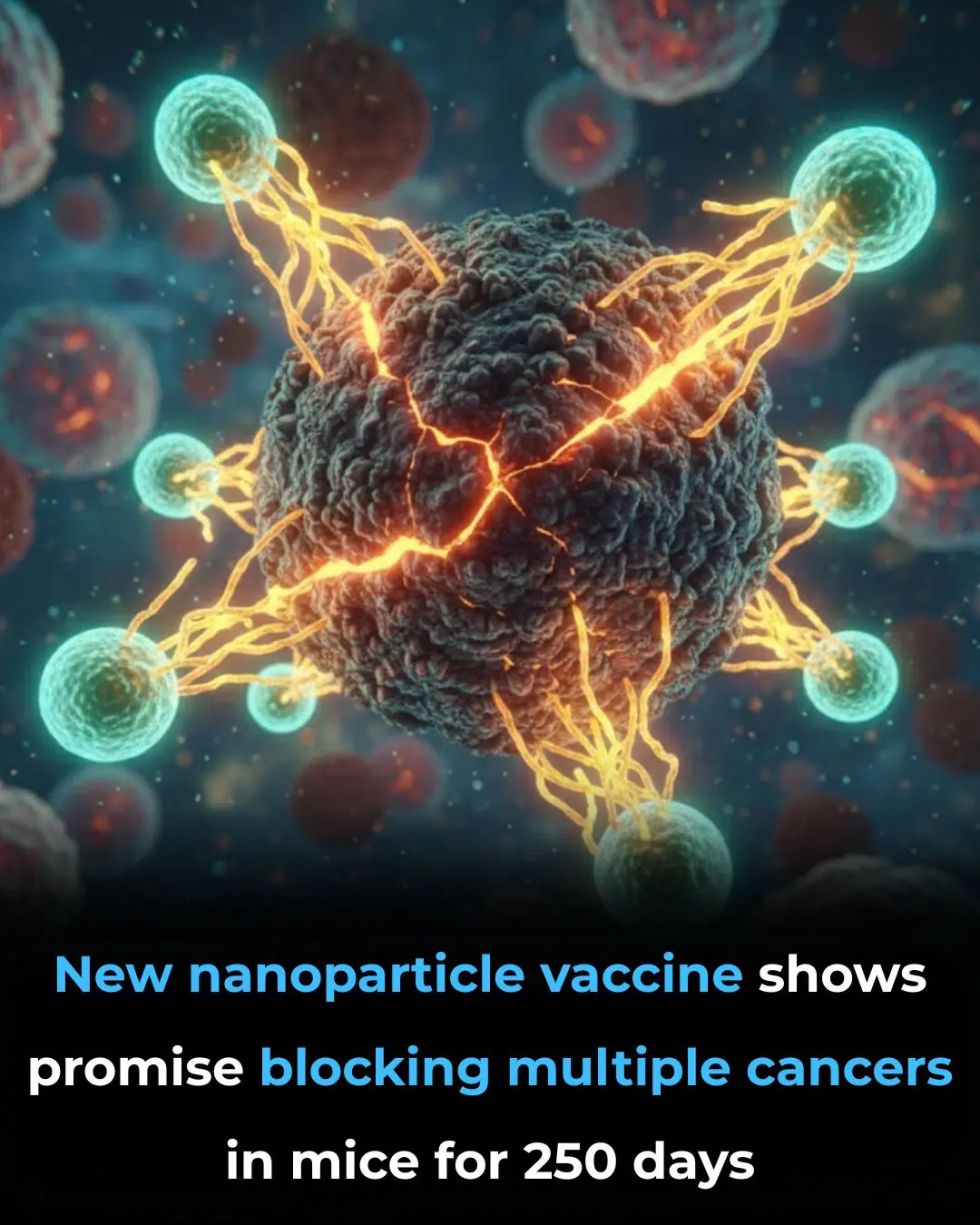
A novel cancer vaccine has demonstrated encouraging results in an early-phase clinical trial involving patients with pancreatic cancer, one of the most aggressive and deadly forms of cancer. The vaccine, known as ELI-002 2P, is designed to activate the body’s immune system to specifically recognize and attack cancer cells, particularly those carrying mutations in the KRAS gene. This gene mutation is found in up to 90% of pancreatic cancer cases, making it a critical target for new therapeutic approaches.
In the clinical trial, patients received the ELI-002 2P vaccine following surgical removal of their tumors. Results showed that the vaccine successfully stimulated strong immune responses in a significant number of participants. In some patients, these immune responses were associated with a markedly lower risk of cancer recurrence, a major concern in pancreatic cancer, which has a high rate of relapse even after surgery and chemotherapy.
The vaccine works by “training” the immune system to detect and destroy cancer cells that express abnormal KRAS proteins. By presenting specific KRAS-related antigens to immune cells, ELI-002 2P encourages the body to mount a targeted immune attack against residual cancer cells that may remain after surgery. This mechanism aligns with broader advances in cancer immunotherapy, a field that has already transformed treatment options for cancers such as melanoma and certain lung cancers.
One of the most notable advantages of ELI-002 2P is that it is an “off-the-shelf” vaccine. Unlike personalized cancer vaccines, which must be custom-made for each patient based on their individual tumor profile, this vaccine can be manufactured in advance and administered without extensive customization. This approach could significantly reduce production time and costs, potentially allowing more patients to access the treatment more quickly and efficiently.
Despite these promising early results, researchers and medical experts emphasize the need for caution. The current findings are based on a relatively small group of patients, and larger, multi-center clinical trials will be necessary to confirm the vaccine’s long-term effectiveness and safety. Further studies will also be required to determine how best to combine ELI-002 2P with existing treatments such as chemotherapy, radiation therapy, or other immunotherapies.
Nevertheless, the initial data suggest that ELI-002 2P could become an important addition to the limited treatment options currently available for pancreatic cancer. Given the disease’s low five-year survival rate and resistance to many conventional therapies, innovative strategies like cancer vaccines offer renewed hope for improving patient outcomes and extending survival.
According to the American Cancer Society, pancreatic cancer remains one of the leading causes of cancer-related deaths worldwide, largely due to late diagnosis and limited treatment effectiveness. Research highlighted by the National Cancer Institute (NCI) and published in peer-reviewed journals such as Nature Medicine and The New England Journal of Medicine underscores the growing potential of immunotherapy-based approaches, including cancer vaccines, in addressing hard-to-treat malignancies. Additionally, organizations such as the World Health Organization (WHO) and Cancer Research UK continue to emphasize the importance of clinical trials in advancing innovative cancer treatments and improving global cancer care.