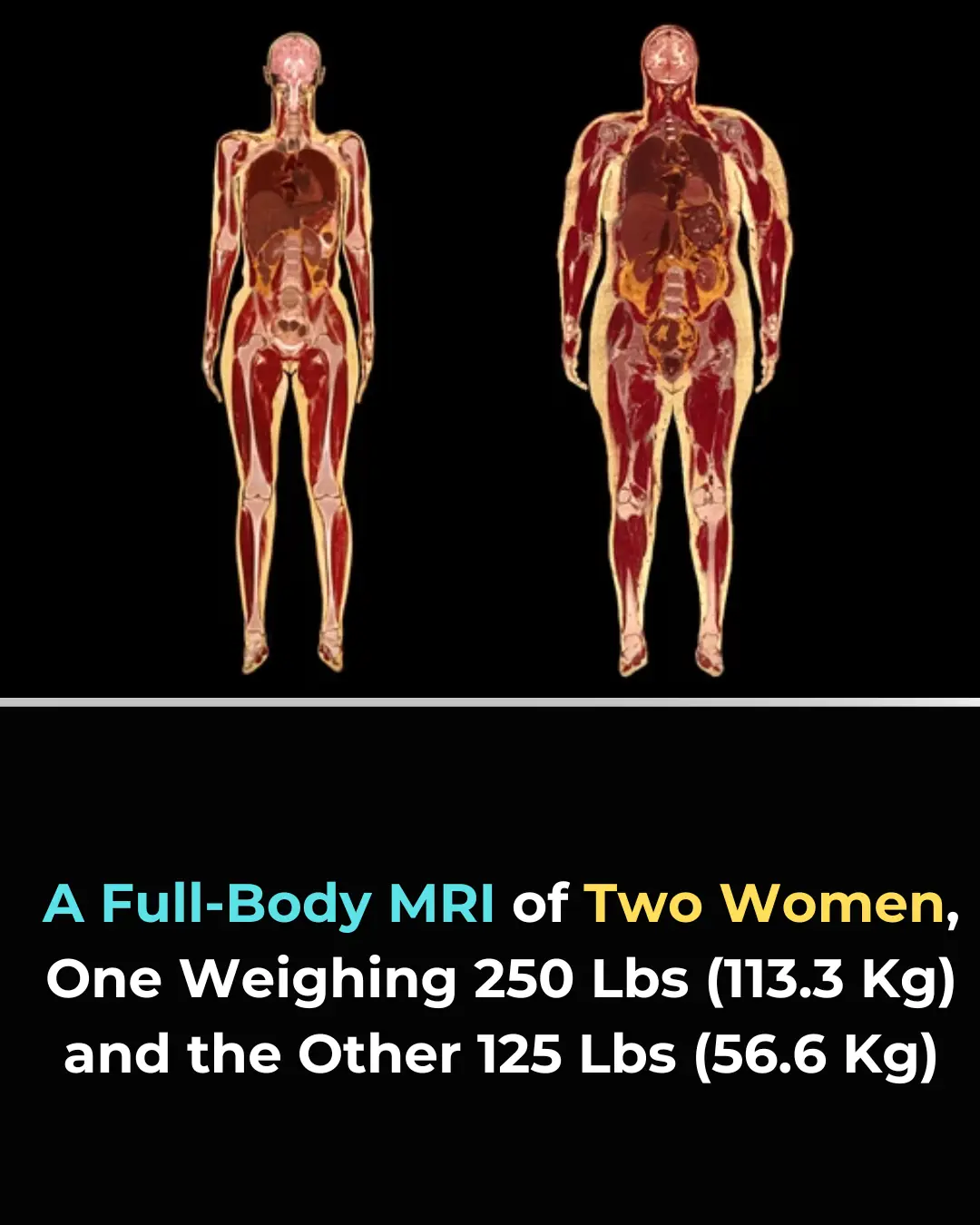
Inside the Human Body: How MRI Images Show the True Impact of Fat Composition
Facts 08/12/2025 11:33
Sweden has become internationally recognized for having one of the most advanced, efficient, and sustainable waste management systems in the world. Through decades of investment in recycling infrastructure, education, and environmental policy, the country has reached an extraordinary milestone: it no longer produces enough household waste to power its own waste-to-energy (WTE) plants. This achievement reflects not only Sweden’s environmental commitment but also its strategic approach to creating a circular, low-waste society.
For many years, Sweden has prioritized recycling and sustainability as core national values. According to recent environmental reports, less than 1% of Swedish household waste is sent to landfills, one of the lowest landfill rates in the world (Eurostat). The remaining waste is either recycled, composted, or sent to WTE plants—high-efficiency incineration facilities that convert garbage into electricity and district heating. These plants supply energy to hundreds of thousands of homes, particularly during Sweden’s cold winter months.
Currently, Sweden operates roughly 34 waste-to-energy facilities that handle household and industrial waste. These facilities are designed to burn waste at extremely high temperatures under strict environmental controls, producing energy while filtering out harmful pollutants. Over time, public participation in waste sorting—combined with nationwide recycling initiatives—has dramatically reduced the amount of combustible waste available within the country.
This success, however, created an unexpected challenge: Sweden’s WTE plants began running short on domestic waste to maintain full capacity. To solve this, Sweden started importing waste from other European countries, including the United Kingdom, Norway, and Ireland. Today, the country brings in over 2 million tonnes of foreign waste each year. In many cases, these exporting nations pay Sweden to take their waste, because it is more cost-effective than sending it to landfills at home. This arrangement benefits both sides—Sweden receives a steady supply of fuel for its energy plants, while other countries reduce their landfill dependency and comply with EU waste-reduction directives
This importation strategy may sound counterintuitive at first, but it aligns closely with Sweden’s broader commitment to the circular economy. Rather than allowing waste to accumulate in landfills—where it produces methane, a greenhouse gas far more potent than carbon dioxide—Sweden turns it into a valuable resource. The process is governed by some of the strictest environmental regulations in the European Union, ensuring that emissions are minimized and that energy production remains highly efficient. According to the Swedish Waste Management Association and data cited in EU environmental reports, imported waste contributes significantly to Sweden’s energy supply, especially in winter when heating demand rises sharply.
Sweden’s model demonstrates how innovative policy, public engagement, and long-term planning can transform a country’s relationship with waste. It challenges traditional assumptions about garbage disposal and illustrates how waste, when properly managed, can become a sustainable and economically beneficial energy source. As climate change and landfill shortages place increasing pressure on global waste systems, Sweden’s approach offers a compelling blueprint for a cleaner, more circular future.
• BBC News – Sweden’s waste-to-energy and waste import practices
• Eurostat (EU) – Landfill and recycling statistics across Europe
• Swedish Environmental Protection Agency (Naturvårdsverket) – National waste and energy data
• Avfall Sverige (Swedish Waste Management Association) – Annual waste reports and WTE statistics
• The Guardian / Reuters – Coverage on Sweden’s waste importation and energy efficiency