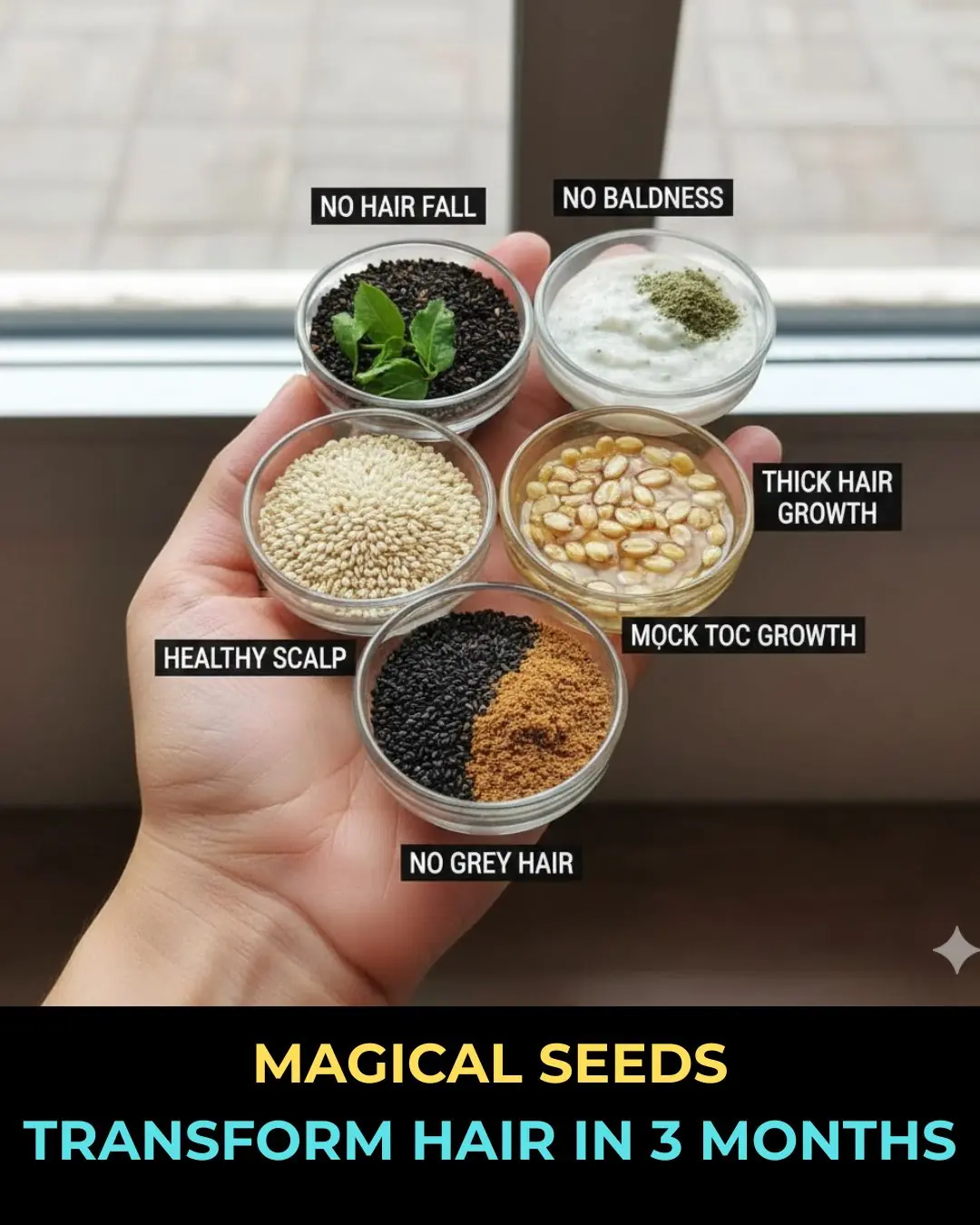
Best Seeds For Hair
Beatuty Tips 16/12/2025 13:29
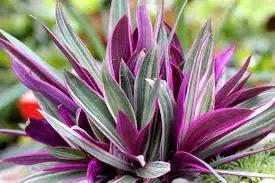
The purple maguey plant—most commonly associated with Agave atrovirens and regional variants of Agave americana—is a striking succulent native to Mexico and Central America. Recognized by its thick rosette shape and leaves tinged with deep violet or purple hues, this resilient plant has been revered for centuries not only for producing pulque and mezcal, but also for its powerful medicinal properties.
From ancient Aztec healing practices to modern herbal medicine, purple maguey has played an important role as a natural remedy for inflammation, wounds, digestive issues, and metabolic health. Below is a comprehensive look at its benefits, traditional uses, and what modern science reveals about this remarkable plant.
What it helps:
Joint pain, arthritis, swelling, bruises, soft-tissue injuries
Traditional healers have long used crushed purple maguey leaves or freshly extracted sap as a topical remedy for inflammation. Applied directly to swollen joints or injured areas, it was believed to “draw out heat” and calm pain.
How it works:
Purple maguey contains saponins and flavonoids, compounds known to suppress inflammatory signaling in the body.
Modern insight:
Laboratory studies confirm that agave sap contains bioactive compounds capable of reducing localized inflammation, especially when used externally.
What it helps:
Cuts, burns, ulcers, minor skin infections
The gel-like substance inside maguey leaves functions similarly to aloe vera. It keeps wounds moist, protects against microbes, and supports tissue regeneration.
Traditional use:
Fresh leaves were split open and tied directly over wounds—especially in rural areas lacking access to modern medicine.
Scientific note:
Agave sap contains fructans and steroidal compounds that encourage cell repair and inhibit bacterial growth.
What it helps:
Sluggish digestion, toxin buildup, liver congestion
In traditional Mexican herbal medicine, maguey leaf or root teas were used to “cleanse the blood” and support liver health.
How it works:
Certain agave compounds may stimulate bile production and activate liver detoxification enzymes.
Precaution:
Internal use should be mild and infrequent, as high doses can irritate the digestive system.
What it helps:
Fungal infections, athlete’s foot, infected wounds
Purple maguey has long been used as a natural disinfectant. Its sap was applied to wounds and fungal skin conditions to prevent infection.
Key compounds:
Saponins, inulin, polyphenols
Traditional method:
Sap applied directly to affected skin or diluted as a cleansing rinse.
What it helps:
Type 2 diabetes, insulin resistance (supportive use only)
Purple maguey contains inulin, a prebiotic fiber that slows glucose absorption and improves gut microbiota—factors linked to better blood sugar control.
Scientific view:
Inulin has been shown to improve insulin sensitivity and reduce post-meal blood sugar spikes in some studies.
Important note:
This is a supportive dietary aid, not a replacement for medical diabetes treatment.
What it helps:
Constipation, bloating, poor gut balance
The natural fibers in purple maguey promote bowel regularity and feed beneficial gut bacteria.
Traditional preparation:
Light decoctions from inner leaf tissue or fermented sap drinks.
Modern application:
Agave-derived prebiotics are now widely used in gut health supplements.
What it helps:
Low immunity, frequent infections, post-illness recovery
Traditional healers used purple maguey during seasonal changes or after illness to strengthen the body’s defenses.
Why it works:
Saponins and flavonoids may stimulate immune response while reducing oxidative stress.
Research note:
Early studies suggest agave extracts may activate immune pathways and protect cells from damage.
What it helps:
UTIs, water retention, mild kidney strain
Purple maguey acts as a natural diuretic, helping flush excess fluids and bacteria from the urinary tract.
Traditional use:
Short-term consumption of leaf tea for bladder and kidney support.
While purple maguey offers many benefits, responsible use is essential:
Raw sap may irritate sensitive skin
Excessive internal use can cause digestive upset
Not recommended for unsupervised long-term internal use
Always consult a healthcare professional or trained herbalist before therapeutic use
Topical: Fresh leaf pulp or sap applied to wounds, burns, joints
Internal: Mild decoction made from small leaf portions
Fermented: Sap fermented into pulque, traditionally valued for probiotic and digestive benefits
The purple maguey plant is far more than an ornamental succulent—it is a living testament to the depth of traditional herbal wisdom. From easing inflammation and healing wounds to supporting digestion, immunity, and metabolic balance, this resilient plant continues to serve as a natural healer.
While modern science is still uncovering its full therapeutic potential, centuries of traditional use remind us that some of nature’s most powerful remedies grow quietly, waiting to be rediscovered.