How to Clean a Mattress at Home Effectively
Tips 18/01/2026 13:22

Fried Bánh Chưng: Tips for a Perfectly Crispy Vietnamese Favorite
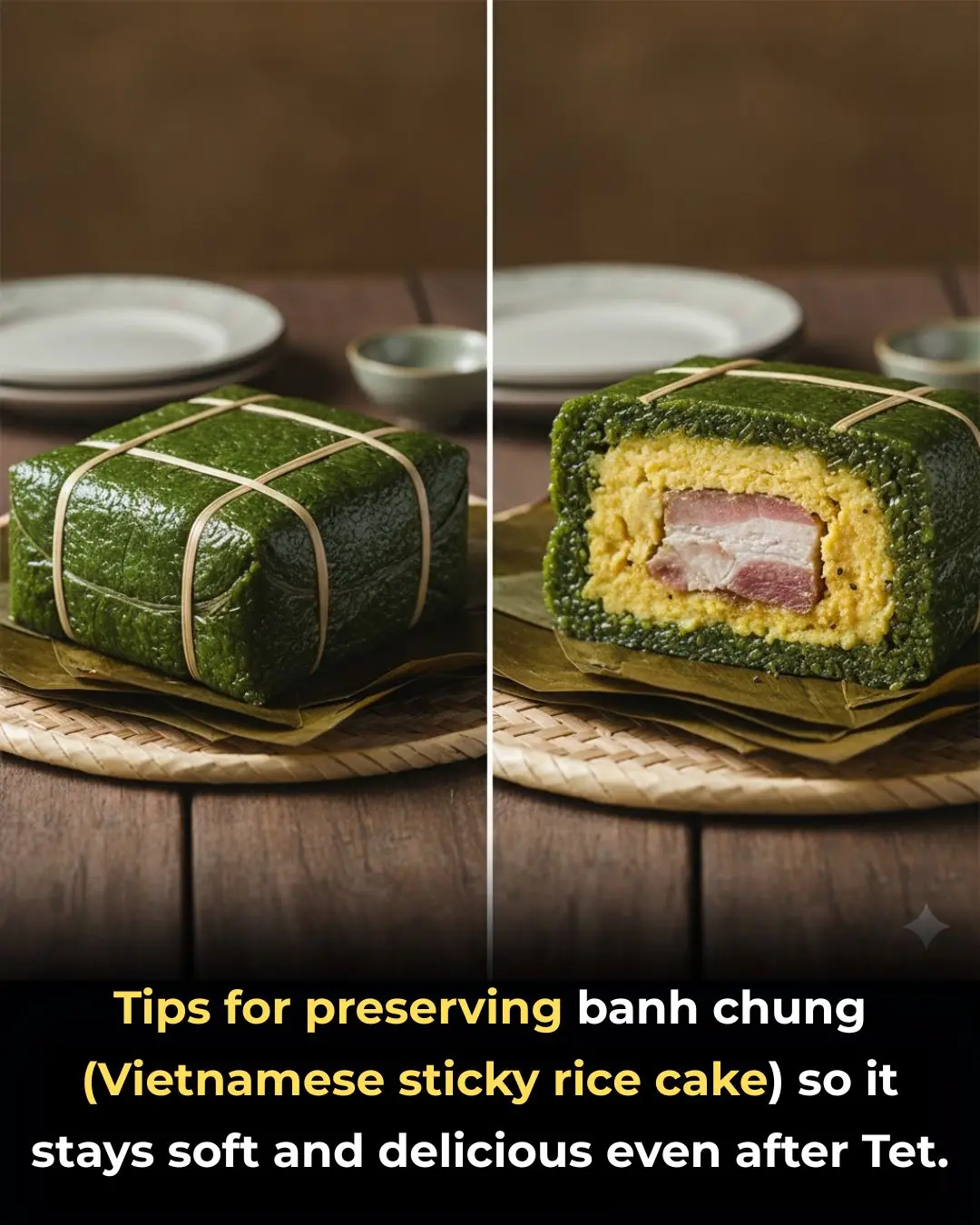
Bánh chưng is one of the most iconic traditional dishes enjoyed during the Vietnamese Lunar New Year. While many people love eating bánh chưng in its original form, fried bánh chưng has a special place in the hearts of food lovers. When fried properly, each slice develops a beautifully golden, crispy crust on the outside while remaining soft, chewy, and rich on the inside. Served with pickled onions, pickled vegetables, or a touch of chili sauce, fried bánh chưng is an irresistible comfort food.
Although bánh chưng is most closely associated with Tết, fried bánh chưng is enjoyed year-round. Many families prepare it as a quick breakfast, a hearty afternoon snack, or even a light meal on busy days. However, frying bánh chưng at home can be tricky. Without the right technique, the cake may fall apart, absorb too much oil, or fail to crisp evenly. Below are some practical tips to help you fry bánh chưng perfectly every time.
Not all bánh chưng are suitable for frying. Freshly boiled bánh chưng are often too soft and moist, making them prone to breaking apart during frying. These cakes are best enjoyed immediately in their original form.
For frying, it is better to use bánh chưng that have been pressed or refrigerated overnight. This allows the sticky rice to firm up and hold its shape. As a result, the cake will form a crispy outer layer while keeping the filling inside tender and flavorful.
Traditional methods use the cake’s bamboo strings or a piece of clean thread to cut bánh chưng into neat slices. Each slice should be about 1.5–2 centimeters thick. Slices that are too thin may break easily, while overly thick pieces take longer to crisp and can feel heavy when eaten.
A non-stick pan is highly recommended to prevent sticking and breaking. Stainless steel or cast-iron pans can also be used, but they require careful temperature control.
Bánh chưng already contains fatty pork, so there is no need to use a lot of oil. Too much oil can make the dish greasy and overwhelming. Simply coat the bottom of the pan with a thin layer of oil or lard to ensure even frying.
Patience is key when frying bánh chưng. Avoid high heat, as it can burn the surface before the inside warms through. Do not flip the cake too often, as this can cause it to crumble.
Since bánh chưng is already fully cooked, medium heat is sufficient to crisp the exterior. Once one side turns golden brown, gently flip the cake to fry the other side. Just before removing it from the pan, you may briefly increase the heat to help release excess oil, but be careful not to leave it too long to avoid burning.
Some people prefer using an air fryer for a lighter version of fried bánh chưng. Line the basket with parchment paper or aluminum foil, place the slices inside, and cook at 180°C (356°F) for about 10 minutes. Flip the slices and continue cooking for another 10 minutes. Depending on the air fryer model, you may need to adjust the time or temperature. Brushing a thin layer of oil on both sides of the cake helps achieve a crispier texture.
Fried bánh chưng is best enjoyed hot, when the crust is at its crispiest. Pairing it with pickled onions, fermented vegetables, or sour pickles helps cut through the richness and aids digestion. Many people also enjoy dipping it in chili sauce for an extra kick, making this traditional dish even more satisfying.
With these simple tips, you can turn leftover bánh chưng into a delicious, crispy treat that feels just as special as it does during Tết.