What does it mean when a person helps waiters remove plates from the table, according to psychology?
Helping a waiter to clean a table may be more than just a simple act of kindness.
A simple act like stacking plates at a restaurant might seem like a courteous gesture, but
psychologists suggest it reveals much more about a person’s character. This small action can offer insights into traits such as empathy, social anxiety, or a desire for approval.
Psychologist Francisco Tabernero explained (via
Complexions Dance) that helping a waiter clear the table isn’t just about politeness. It can indicate a person’s awareness of others’ efforts and a willingness to ease their workload.
However, not all motivations behind this act are rooted in kindness.
For some, the urge to help may stem from social anxiety or a need to avoid negative judgment.
This behaviour is known as passive assertiveness, and is said to seek approval rather than actually working for your own needs.
These subtle showings of personality extend beyond dining experiences. In professional settings,
employees who engage in helpful behaviours can enhance team productivity and cohesion. Such actions demonstrate dedication to the group’s success and are valuable soft skills in any workplace.
Sometimes, the smallest acts speak the loudest about who we are.
Have you ever noticed someone in a restaurant quietly helping clear the table for the servers?
That simple gesture reveals surprisingly deep insights into their personality and empathy.
According to psychologists, this behavior goes beyond just lending a helping hand; it’s a window into complex human kindness and social instincts.
At first glance, helping servers clear plates and gather glasses might seem like just good manners or a polite habit.
But psychologists emphasize that this prosocial behavior – acting voluntarily to improve someone else’s experience – signals a remarkable sensitivity and care for others. Martin L. Hoffman, a psychologist and emeritus professor of clinical psychology at New York University, explains, “When I see this gesture, it means the person truly worries about improving the day of the person they’re helping.”
This kind of involvement isn’t just about logistics. It shows a genuine emotional connection and a desire to bring comfort or ease to someone they may not even know well.
Helping a stranger in a restaurant reflects a powerful human impulse to foster social goodwill, a trait worth noticing in everyday life.
Why only some people engage in prosocial acts with strangers Sure, most of us engage in acts of kindness with family and close friends, but psychologists note that helping strangers in such a spontaneous way is less common. What sets these individuals apart?
Studies suggest it comes down to innate empathy as well as learned behavior from childhood.
Experts like Hoffman and Michael Tomasello, an American psychologist, point out that children often mirror the helpful attitudes of their environment.
If raised in a setting where helping others—even strangers—is encouraged and modeled regularly, they’re more likely to carry that behavior into adulthood.
So, when you see someone stacking plates or handing over condiments to a server without being asked, you’re witnessing a grown-up who probably learned that
kindness transcends immediate circles. This ability to spontaneously help makes social bonds stronger and communities warmer.
Clearing restaurant tables is just one slice of a larger set of behaviors psychologists call prosocial.
Think about helping a parent manage a stroller down stairs, carrying the groceries for a neighbor, or donating blood.
These actions share a core purpose: to improve others’ well-being without expecting anything in return
. Volunteering, whether it’s in shelters or local events, also falls within this meaningful category.
These efforts may sometimes feel small or routine, but they build mutual trust and reinforce kindness in society.
Psychologists say that practicing such prosocial acts contributes to personal satisfaction and even boosts community health overall.
Reflecting personally, I remember once sitting in a busy diner when a customer a few tables away started gathering the empty plates and glasses without any prompting.
It caught my attention because it showed a thoughtful attentiveness that’s easy to overlook.
It reminded me that kindness can be quiet yet powerful.
Watching that act sparked a little self-reflection: How often do I offer help beyond expected manners?
When was the last time I reached out to make someone’s day smoother without being asked?
It taught me that these moments of spontaneous generosity create ripples far beyond the initial act—making spaces more pleasant and uplifting for everyone around.
Maybe next time you’re dining out, try lending a hand when you notice servers busy clearing tables.
It’s a simple step that reveals a lot about your empathy and care for others.
Who knows? You might make their day a little easier and brighten your own mood too.
What do you think? Have you ever helped clear a table or noticed someone doing it?
Share your thoughts or experiences below and let’s talk about those small, powerful moments of kindness that make life richer.
Did you know that she...
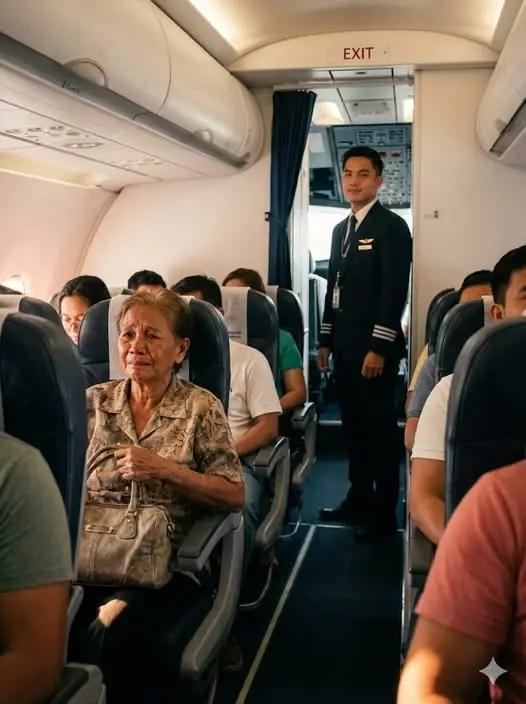
I used to think my grandma was stingy because she never joined us when the family went out to restaurants. She always stayed home and said she wasn’t hungry.
After she passed, a woman came to us in tears and said, “Did you know that she wasn’t skipping meals because she was full or didn’t want to eat? She was saving every little bit of money she could, afraid that if she went out, she would spend more of your hard-earned money. She would tell you she wasn’t hungry, and while you all enjoyed delicious meals, she’d quietly eat a simple bowl of noodles at home.”
We were stunned. For years, she had quietly sacrificed her comfort, putting our happiness above her own. She had done this until her health began to fail, and eventually, the strain took her from us.
That evening, we gathered around her old chair in the kitchen, the place she had spent so many quiet dinners alone. Tears flowed, but then my father spoke softly, “She loved us more than we ever knew. Maybe now it’s our turn to carry her love forward.”
From that day on, we made a promise: no more silent sacrifices. We started cooking for neighbors in need, visiting the elderly in our community, and sharing meals with anyone who was lonely. Every time we did, it felt as if Grandma was smiling over our shoulders, teaching us that true love is often quiet, patient, and selfless.
And in honoring her in life, we found a new kind of joy — one that was generous, warm, and endless, just like hers.
Years later, every time we gathered for a family meal, her empty chair felt alive with presence. We laughed louder, shared more freely, and never worried about small sacrifices again.
One day, my youngest cousin, barely old enough to understand, whispered, “Grandma would have loved this.”
And in that simple truth, we realized something profound: love isn’t measured in wealth or grand gestures. It’s in the quiet choices, the unseen sacrifices, and the way we carry those lessons forward.
Her legacy wasn’t just the money she saved or the meals she skipped. It was the heart she taught us to open, the kindness she showed without a word, and the family she held together with invisible threads of selfless love.
And in living that way, we made sure her spirit never truly left — it shone in every meal shared, every hand held, and every heart willing to give without keeping count.
After spending a few days at my mother-in-law’s country house, I realized I couldn’t go through with the wedding, making the difficult decision to call it off.