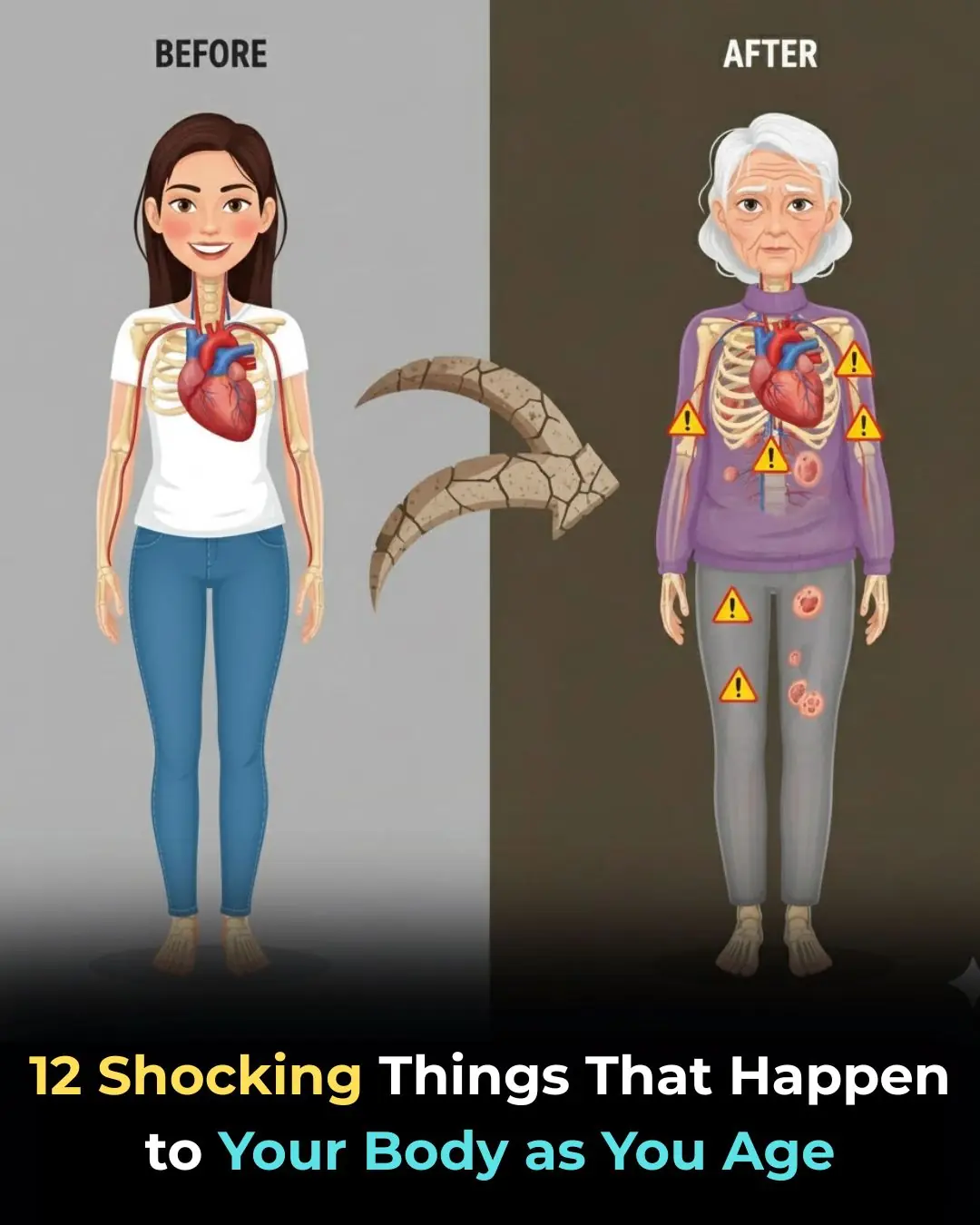
12 Age-Related Body Changes You Need to Know About, According to Science
Health 10/12/2025 09:32
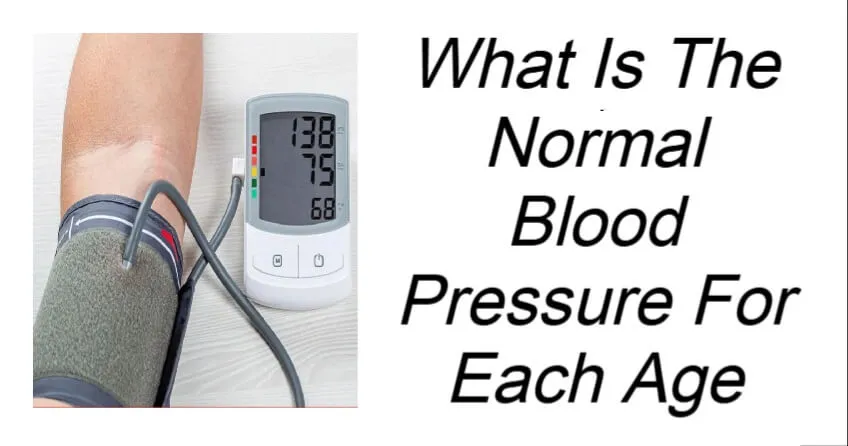
Blood pressure is far more than just a number your doctor checks during routine appointments — it’s a crucial indicator of your overall cardiovascular health. As you grow older, keeping an eye on your blood pressure becomes even more essential, since it can reveal early warning signs of conditions like heart disease, stroke, and kidney problems.
Understanding how blood pressure changes with age, and knowing what’s considered healthy for your particular stage of life, empowers you to take proactive steps toward long-term wellness.
Blood pressure refers to the force of your blood pushing against the walls of your arteries as your heart pumps. It’s one of the most reliable measurements for evaluating heart and artery health. When that pressure is consistently too high or too low, it can signal imbalances in the body long before symptoms appear.
While the widely recognized “ideal” number is around 120/80 mm Hg, what qualifies as normal can vary slightly depending on age, medical history, lifestyle, genetics, and other factors. Still, general guidelines offer a helpful baseline.
| Blood Pressure Category | Systolic (mm Hg) | Diastolic (mm Hg) |
|---|---|---|
| Low | Less than 90 | Less than 60 |
| Optimal | Less than 120 | Less than 80 |
| Normal | 120–129 | 80–84 |
| Normal to High | 130–139 | 85–89 |
| High | 140+ | 90+ |
A reading close to 120/80 mm Hg is typically considered healthy for most adults.
Blood pressure naturally increases as children grow, mainly because their hearts and blood vessels continue to develop.
| Age Range | Systolic (mm Hg) | Diastolic (mm Hg) |
|---|---|---|
| Newborns up to 1 month | 60–90 | 20–60 |
| Infants | 87–105 | 53–66 |
| Toddlers | 95–105 | 53–66 |
| Preschoolers | 95–110 | 56–70 |
| School-aged children | 97–112 | 57–71 |
| Adolescents | 112–128 | 66–80 |
Below are average ranges for adult men and women. These numbers may vary based on lifestyle, ethnicity, physical fitness, and medical conditions.
| Age | Women | Men |
|---|---|---|
| 18–39 years | 110/68 mm Hg | 119/70 mm Hg |
| 40–59 years | 122/74 mm Hg | 124/77 mm Hg |
| 60+ years | 139/68 mm Hg | 133/69 mm Hg |
As you age, the likelihood of developing high blood pressure (hypertension) rises significantly. Several age-related changes contribute to this trend:
Over time, arteries naturally lose flexibility. When they become stiffer, the heart must pump harder to move blood through them, causing blood pressure to rise.
Years of cholesterol and fatty buildup can narrow the arteries, restricting blood flow and forcing the heart to work harder.
Your kidneys help regulate blood volume and salt balance — two key factors in blood pressure control. Aging can reduce kidney efficiency, leading to higher pressure in many older adults.
These changes make hypertension one of the primary risk factors for heart attacks, strokes, kidney disease, and even vascular dementia in later life.
The good news: No matter how old you are, simple, consistent lifestyle choices can dramatically improve — or maintain — healthy blood pressure levels.
Excess weight forces your heart to work harder. Even small weight reductions can significantly improve blood pressure.
Focus on:
Fresh fruits and vegetables
Whole grains
Lean proteins
Low-fat dairy products
Limit:
Sodium (salt)
Saturated and trans fats
Highly processed foods
Added sugars
The DASH diet (Dietary Approaches to Stop Hypertension) is widely recommended for naturally lowering blood pressure.
Aim for 150 minutes of moderate exercise per week, such as walking, swimming, or cycling. Regular movement boosts circulation and keeps arteries flexible.
Smoking weakens blood vessels and elevates blood pressure. Quitting offers immediate and long-term cardiovascular benefits.
Frequent or heavy drinking can lead to hypertension. Moderate intake means:
• 1 drink per day for women
• 2 drinks per day for men
Many people have elevated blood pressure without realizing it, since it often produces no symptoms. Home monitoring allows you to detect changes early and take action quickly.
While high blood pressure becomes more common with age, it doesn’t have to be unavoidable. By understanding how your body changes over time — and by committing to healthy habits — you can support your heart, protect your blood vessels, and maintain vitality well into later life.
If you haven’t checked your blood pressure recently, now is the perfect time to do it. Staying informed today can help prevent serious health issues tomorrow.
You’ve just read “What Is the Normal Blood Pressure for Each Age.”
Why not explore another topic next — perhaps “Manager Had to Hire a New Employee”?