What Yellow Stuff In Your Eyes When You Wake Up Actually Is
Facts 10/12/2025 10:15
As of 2025, Earth’s orbit is more crowded than at any other point in human history. An estimated 10,000 active satellites currently circle the planet, a dramatic rise fueled by rapid advances in space technology and the explosive growth of commercial mega-constellations such as SpaceX’s Starlink, Amazon’s Project Kuiper, and OneWeb. These fleets have revolutionized global communication, navigation, and scientific observation—but they have also accelerated one of the greatest environmental challenges beyond our atmosphere: space debris.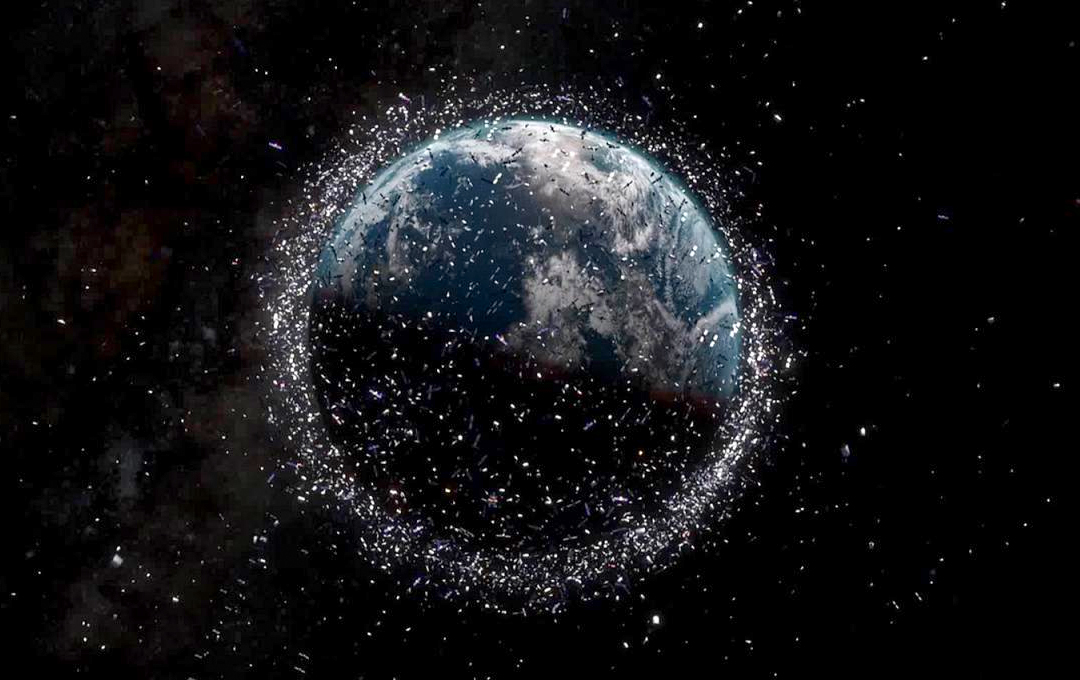
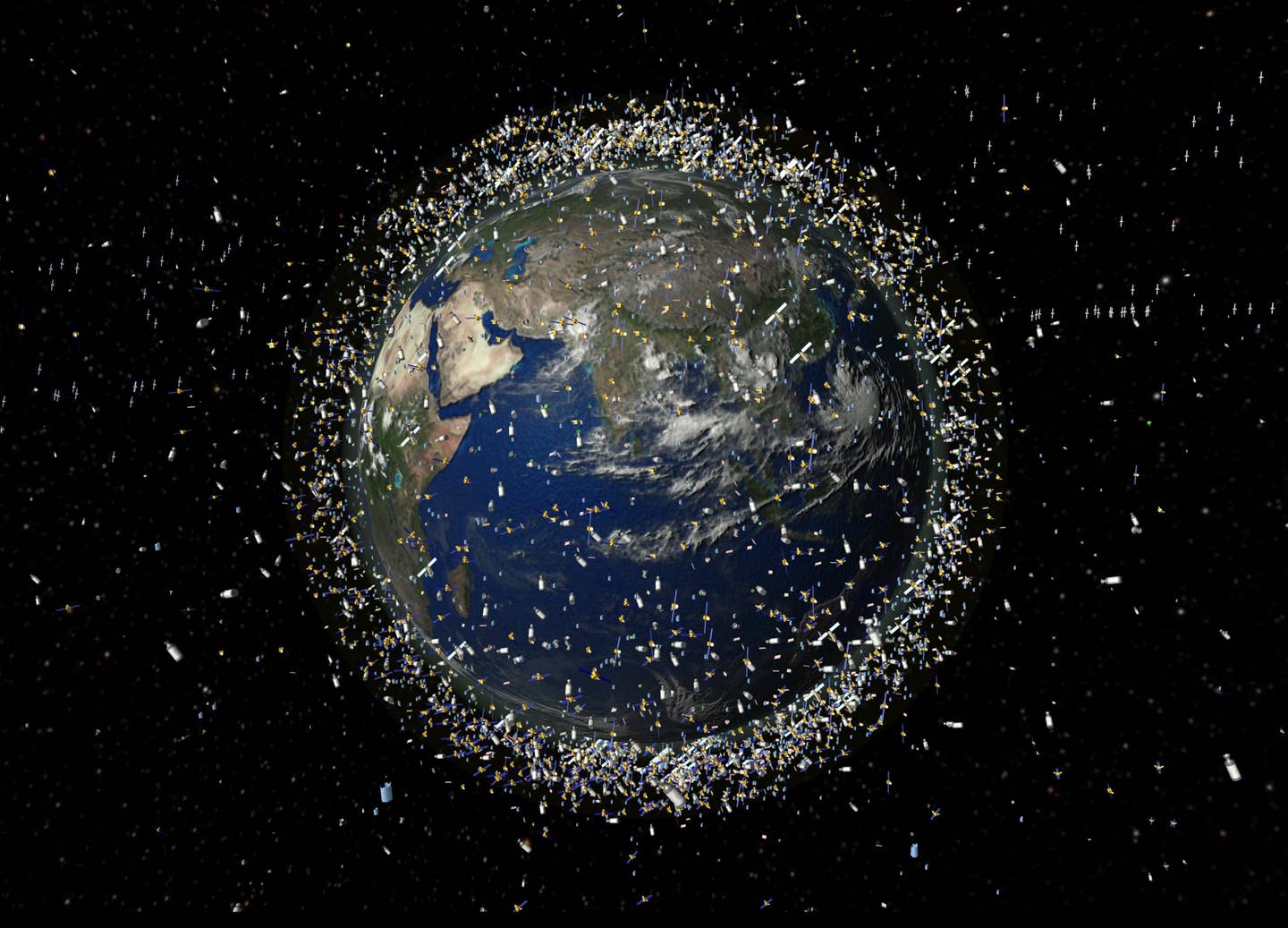
Over the last decade, satellite launches have skyrocketed. In the 1990s, only a handful of satellites were launched per year. Today, companies regularly send dozens into low Earth orbit (LEO) in a single mission. Starlink alone operates over 5,000 satellites and plans to eventually deploy up to 42,000 (Source: Federal Communications Commission, FCC filings).
This boom brings major benefits:
Improved high-speed internet access in remote regions
More accurate GPS and weather forecasting
Enhanced disaster monitoring and emergency communication
However, these benefits come at a cost. With each new launch, LEO becomes more congested, and the likelihood of collisions increases.

Space debris—dead satellites, broken spacecraft parts, and fragments from past collisions—now numbers in the tens of millions. According to the European Space Agency (ESA):
~36,500 pieces of debris are larger than 10 cm
~1 million pieces measure 1–10 cm
Over 128 million pieces are smaller than 1 cm
Even the smallest debris can cause catastrophic damage. Traveling at 28,000 km/h (17,500 mph), a 1-cm object can strike a satellite with the force of a hand grenade.
NASA officials and astrophysicists have repeatedly warned about the Kessler Syndrome, a chain reaction in which collisions generate more debris, eventually making space too dangerous for satellites or astronauts (Source: NASA Orbital Debris Program Office).
Some recent alarms:
The International Space Station had to conduct multiple debris-avoidance maneuvers in 2021 and 2022 (NASA).
In 2009, a defunct Russian satellite collided with an Iridium communications satellite—creating over 2,000 trackable fragments.
As Earth’s orbit becomes increasingly polluted, the risks to GPS, climate monitoring, global banking systems, and emergency services grow dangerously high.
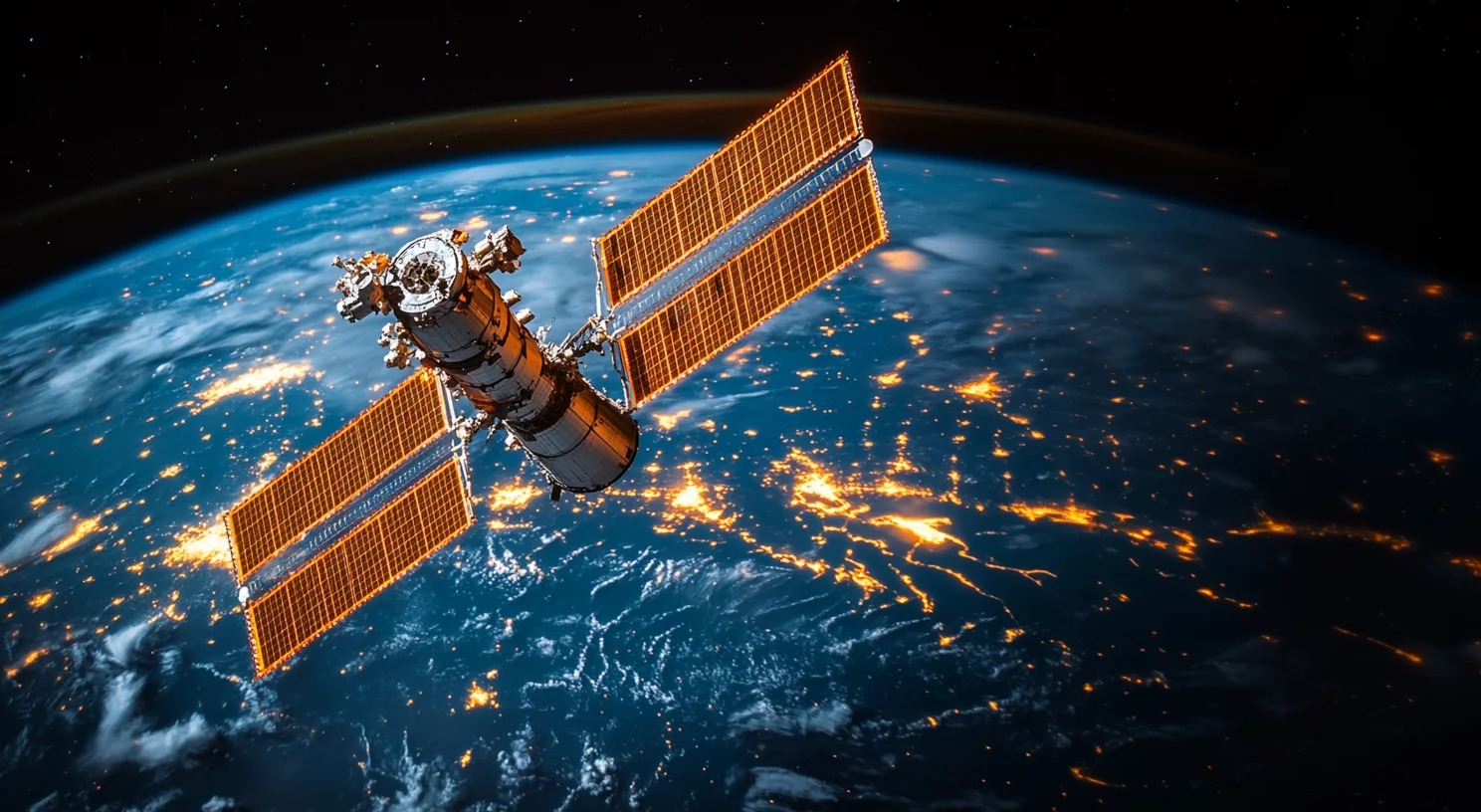
Recognizing the urgency, space agencies, researchers, and private companies are developing technologies to prevent orbital chaos.
Organizations like Astroscale and ClearSpace SA are pioneering missions that aim to capture and deorbit dead satellites using:
Robotic arms
Nets and harpoons
Magnetic docking plates
ESA’s ClearSpace-1 mission (scheduled for 2026) will attempt the world’s first removal of a large debris object.
New satellites are being designed with:
Drag sails to slow them for atmospheric burn-up
Onboard propulsion to maneuver into safe disposal orbits
The FCC now requires commercial satellite operators to deorbit LEO satellites within 5 years of retirement.
AI-powered systems are being created to predict orbital collisions more accurately. The U.S. Space Force and private companies like LeoLabs now track debris using ground-based radar to help operators avoid crashes.
Global bodies such as:
UNOOSA (United Nations Office for Outer Space Affairs)
COPUOS (Committee on the Peaceful Uses of Outer Space)
are developing frameworks for sustainable space operations. Although compliance remains voluntary, pressure is growing for legally binding rules.
As humanity moves deeper into the space age, safeguarding Earth’s orbit is vital. Without urgent action, the accumulation of debris could:
Jeopardize future moon and Mars missions
Disrupt weather and climate science
Knock out essential communication networks
Make LEO unusable for decades
Experts at MIT warn that unmanaged debris growth could render certain orbits “functionally uninhabitable” by mid-century (MIT Space Enabled Research Group).
Yet there is hope. With global cooperation, smart policy, and innovative engineering, it is possible to create a cleaner, safer orbital environment.
Space is a shared resource. Protecting it ensures that the benefits of satellite technology—connectivity, safety, scientific progress—remain accessible for generations to come.