Fatty Liver Disease: 6 Warning Signs You Should Never Ignore
Health 15/12/2025 12:37
Have you ever walked down the supplement aisle and felt tempted by colorful bottles promising better health, more energy, and a longer life? It’s easy to assume that taking a multivitamin will cover all your nutritional needs. However, what many people don’t realize is that not all supplements are created equal.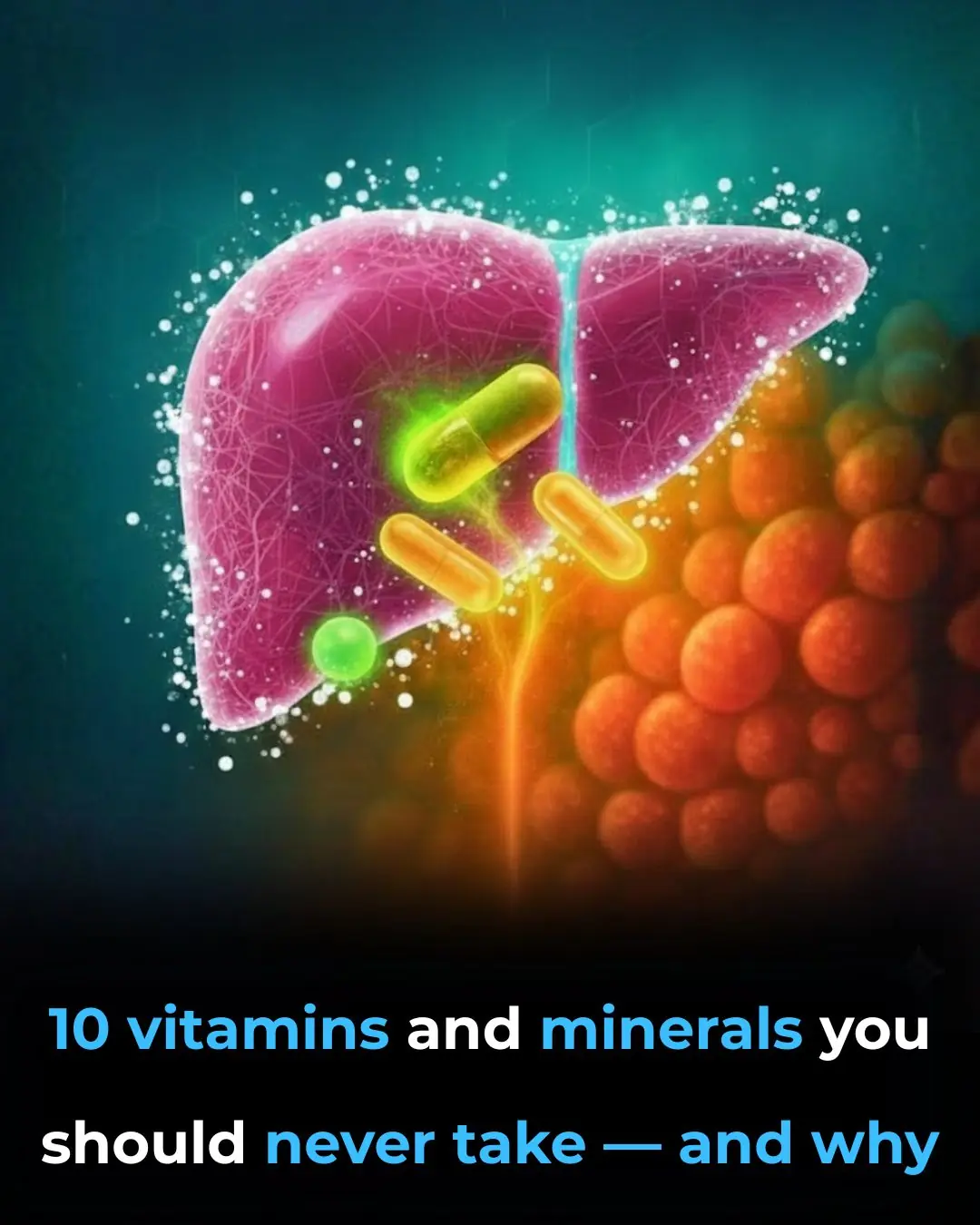
In fact, some vitamins and minerals commonly found in popular supplements come in synthetic or low-quality forms that can do more harm than good. These ingredients are widely used because they are cheap to manufacture, not because they are beneficial for your body.
Below are 10 vitamins and minerals you should avoid, along with clear explanations of why they can be harmful and what to choose instead.
Many supplements contain synthetic or poorly absorbed forms of nutrients that can build up in the body and cause harm.
The safest and most effective nutrients usually come from whole foods or high-quality, natural supplements.
Reading supplement labels carefully is essential to protect your liver, heart, brain, and overall health.
Certain genetic factors can make some synthetic vitamins especially dangerous.
Vitamin A is essential for vision, immunity, and skin health. However, synthetic forms like retinyl palmitate and retinyl acetate can accumulate in the liver and fat tissue, leading to toxicity.
This is particularly dangerous for pregnant women due to the increased risk of birth defects. Synthetic vitamin A may also interfere with vitamins D and K2, weakening bones.
⚠️ Extra caution: These forms are often used in skincare products. When exposed to UV light, they may increase skin cancer risk.
Better sources: Egg yolks, liver, cod liver oil.
While beta-carotene from vegetables is beneficial, synthetic beta-carotene is often derived from petroleum sources. Studies have linked it to an increased risk of lung cancer in smokers.
If a supplement does not clearly state that beta-carotene comes from natural food sources, it’s best avoided.
Folic acid is the synthetic version of folate. Around 30–40% of people have an MTHFR gene variation that prevents proper conversion of folic acid into active folate.
Unmetabolized folic acid can accumulate in the blood, potentially increasing cancer risk and weakening immune function.
Choose instead: Natural folate or methylfolate from leafy greens.
Cyanocobalamin contains a small amount of cyanide and is less effective than natural B12 forms. It can also deplete glutathione, a key antioxidant needed for detoxification.
This can be especially risky for smokers or individuals with impaired detox pathways.
Better option: Methylcobalamin from food or quality supplements.
Calcium carbonate is poorly absorbed and may contribute to kidney stones and arterial calcification. Excess calcium without adequate magnesium can also lead to magnesium deficiency.
Better sources: Dairy, fermented foods, leafy greens.
Iron is essential, but ferrous sulfate is highly reactive and difficult for the body to eliminate. Excess iron can increase the risk of diabetes, liver damage, and neurodegenerative diseases.
Men and postmenopausal women should be especially cautious unless iron deficiency is confirmed.
Better sources: Red meat, liver, food-based iron.
Despite being common, magnesium oxide is absorbed at a rate of only about 3%. It often causes diarrhea without delivering meaningful benefits.
Better option: Magnesium glycinate or magnesium malate.
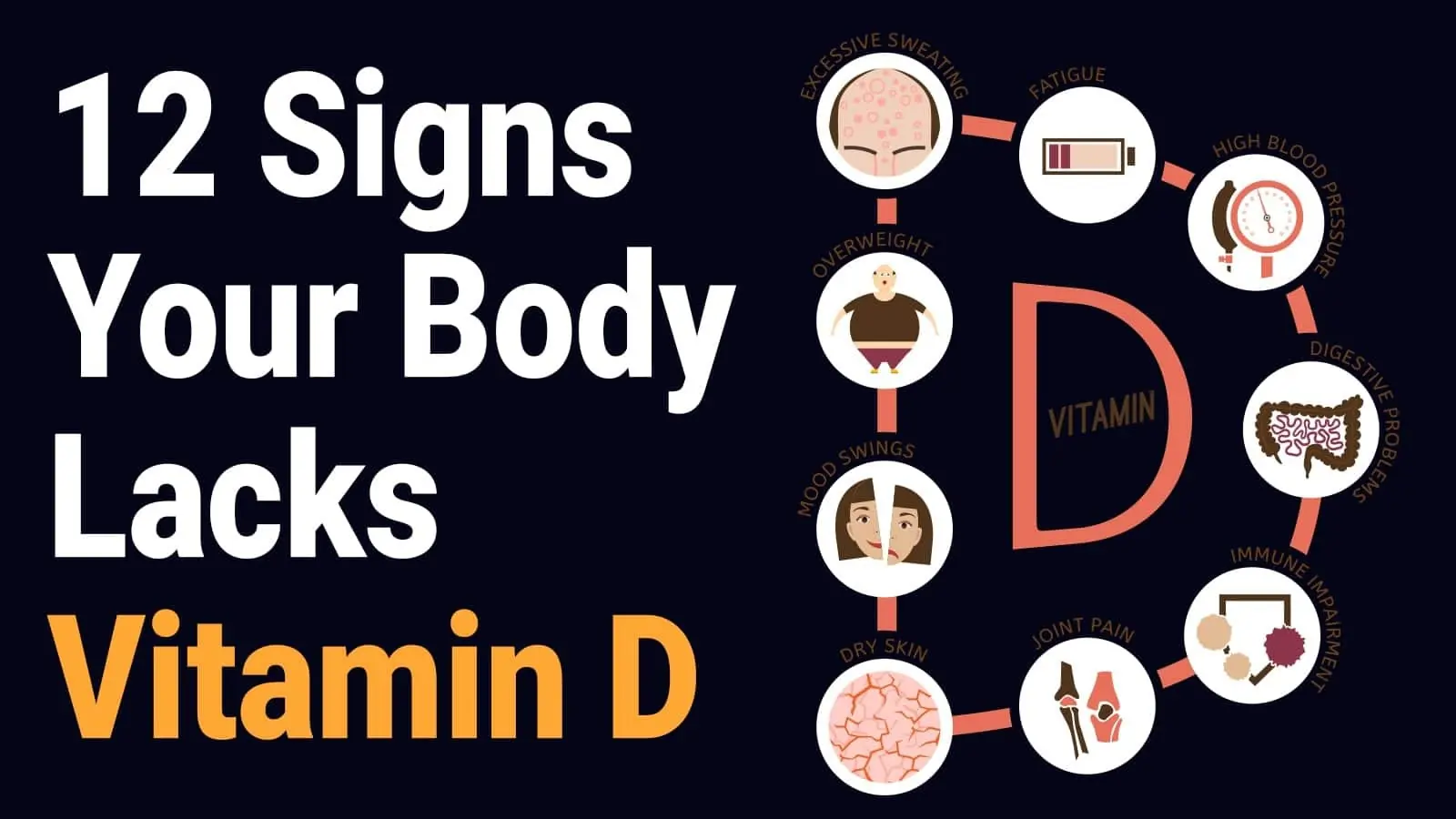
Vitamin D2 is made from irradiated yeast or fungus and is poorly converted into the active form your body needs.
Better option: Vitamin D3 (cholecalciferol) from fish, egg yolks, or high-quality supplements.
Most modern diets already contain excessive omega-6 fats, which promote inflammation when not balanced with omega-3s.
Avoid supplements adding omega-6 oils and focus on omega-3-rich foods instead.
Copper is essential in small amounts, but excess copper—especially without enough zinc—can contribute to oxidative stress and neurodegeneration.
Ideal ratio: About 10 parts zinc to 1 part copper.
The supplement industry often prioritizes profit over quality. Many popular brands use cheap, synthetic ingredients that your body cannot properly process. By choosing real food sources and carefully selected supplements, you protect your long-term health.
Before buying any supplement, read the label, understand the form of the nutrient, and remember: cheaper is not better when it comes to your health.
Your body deserves nutrition it can recognize, absorb, and use safely.