Baby penguins dive off 50-foot cliff in 1st-of-its-kind footage from National Geographic
Facts 15/12/2025 14:43
Japan Pioneers First-Ever Human Trial for Tooth Regeneration: A Major Step Towards Natural Tooth Regrowth
Imagine a future where you can regrow a completely new tooth—without the need for implants or dentures. This incredible possibility is becoming a reality in Japan, where researchers are advancing groundbreaking technology that could change dental care forever.
In a significant milestone for both science and medicine, Japan has officially launched the first-ever human trial for tooth regeneration, after years of successful animal studies. This ambitious clinical trial, which began in October 2024, marks a pivotal moment in regenerative medicine and could redefine how we approach dental health in the future.
The revolutionary treatment works by targeting a specific protein in the body that normally inhibits the formation of new teeth. By blocking this protein, researchers are unlocking the body’s natural ability to regenerate a third set of teeth—an ability humans have lost over time. This concept of regrowing teeth without invasive surgery or implants has long been a topic of interest in dental research, but it has only recently become viable thanks to advancements in biotechnology.
The therapy aims to stimulate tooth regrowth in individuals who have lost teeth, whether through natural aging, injury, or congenital conditions. The first phase of the clinical trial focuses on safety, particularly for people born missing teeth. This phase is essential to ensuring that the treatment is not only effective but also safe for human use. Researchers hope that if the trial is successful, this treatment could eventually be available to the general public by 2030.
Before transitioning to human trials, the tooth regeneration therapy underwent several years of successful animal testing. Researchers in Japan have demonstrated that animals like mice, ferrets, and even dogs were able to grow new teeth after receiving the treatment. These studies have provided a strong foundation for the clinical trials, showing that the method is not only effective but also safe for living organisms. In fact, animals regrew teeth without experiencing significant side effects, which has greatly bolstered confidence in the procedure’s potential.
Animal studies have shown that the process of tooth regeneration works by stimulating stem cells in the jaw, allowing them to develop into tooth-forming tissues. These studies have been crucial in proving the concept, paving the way for its application in humans.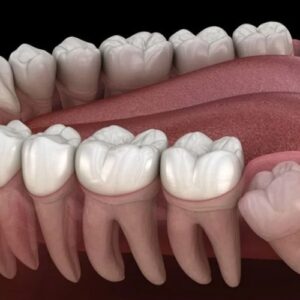
The launch of the human trial in Japan marks a momentous step forward, moving this scientific breakthrough closer to widespread use. While the first phase of the trial will focus on assessing the safety of the treatment, researchers are optimistic about its future. If successful, the therapy could revolutionize dental care, offering a permanent and natural solution for tooth loss. This would significantly reduce the need for dental implants, bridges, or dentures, which are often costly, time-consuming, and less comfortable for patients.
The potential to regenerate teeth naturally would be a game-changer, especially for those who have lost teeth due to age, trauma, or congenital conditions. Unlike traditional methods, which only address the symptom (the missing tooth), this therapy addresses the root cause, allowing patients to regrow their own teeth.
If the clinical trials prove successful and the therapy is refined, it could be available to the public as early as 2030. The implications of this technology go beyond just aesthetics. Regrowing teeth naturally could improve oral health and quality of life for millions of people around the world. For those who struggle with dental issues or are unable to afford implants or dentures, this therapy offers an affordable and long-lasting alternative.
Japan’s research team is not the only one exploring tooth regeneration; global scientists are following similar paths, using stem cell therapy and biomaterial engineering to stimulate tooth growth. Institutions like Harvard University and the University of Tokyo have been investigating similar approaches in collaboration with biotechnology companies. Their findings could accelerate the global development of tooth regeneration treatments, making this technology accessible to people everywhere.
This breakthrough is part of a broader movement within regenerative medicine, which includes stem cell research aimed at regenerating various tissues and organs. In addition to tooth regeneration, scientists are exploring ways to regenerate bones, cartilage, and even heart tissue. The success of Japan’s tooth regrowth therapy could pave the way for similar treatments in other areas of regenerative medicine, leading to a future where tissue loss can be reversed naturally.
The global implications of this breakthrough extend far beyond Japan. With the rise in dental issues, especially as people live longer lives, the ability to naturally regrow teeth could significantly reduce the strain on healthcare systems and improve the lives of countless individuals. Additionally, it could play a crucial role in the fight against antibiotic resistance, as it eliminates the need for frequent surgeries or dental implants that may require post-procedure antibiotics.
As the human trial progresses, experts remain cautiously optimistic but emphasize the need for rigorous testing to ensure the safety and efficacy of the treatment. The next steps in this research will include expanding the trial to include a broader range of participants and evaluating the long-term effects of the therapy. Researchers are also exploring how the treatment could be scaled for global use, which would be especially beneficial in low-resource settings where dental care is often inadequate.
The possibility of regenerating teeth naturally is closer than ever. If successful, this groundbreaking treatment could provide a future where tooth loss is no longer a permanent condition, allowing millions of people to regain their natural teeth without the need for expensive and invasive treatments.
University of Tokyo’s Research on Stem Cell-Based Tooth Regeneration – A study published in Nature Communications detailing advancements in stem cell research for dental applications. Nature Communications
Harvard University’s Role in Regenerative Medicine – Research in stem cells and regenerative therapies. Harvard Medical School
World Health Organization (WHO) – The role of regenerative medicine in global healthcare. WHO Website