The Hidden Psychology Behind Frequent Workout Posts
Facts 15/12/2025 16:01
A Game-Changing Medical Milestone: The Development of the First mRNA-Based Lung Cancer Vaccine
In an exciting leap forward for cancer treatment, a revolutionary mRNA-based lung cancer vaccine, known as BNT116, has officially entered clinical trials across seven countries, including the United States, the United Kingdom, and Germany. This groundbreaking development is poised to mark a new era in cancer immunotherapy, offering hope for more effective, targeted treatments.
Developed by BioNTech, the same company behind the highly successful COVID-19 vaccine, BNT116 utilizes the same mRNA technology that has already proven to be a game-changer in global healthcare. The vaccine is designed to train the immune system to recognize and attack lung cancer cells. Unlike traditional cancer treatments, which rely on chemotherapy, radiation, or surgery, BNT116 offers a novel approach by using the body’s natural defense system to fight cancer.
The concept behind using mRNA technology for cancer treatment is rooted in the ability to teach the immune system to detect and destroy cancer cells more effectively. By introducing specific genetic material into the body, the vaccine essentially provides the immune system with a "blueprint" to identify cancer cells as a threat and mount a targeted attack against them.
The first phase of clinical trials for BNT116 has already begun, with a 67-year-old man from London becoming the first patient to receive the vaccine. This milestone is a significant moment in the development of personalized cancer immunotherapy, as it represents the beginning of a potential new era where cancer treatment is tailored to each individual’s immune system.
The vaccine’s trials are being conducted across seven countries, including major locations in the UK, US, and Germany, and involve a target group of 10,000 patients by the year 2030. This wide-scale approach aims to evaluate the vaccine's safety, efficacy, and potential to induce immune responses in patients with non-small cell lung cancer (NSCLC), the most common type of lung cancer. Lung cancer remains one of the deadliest cancers globally, making this research an urgent and potentially life-saving breakthrough.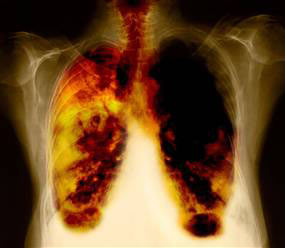
BNT116’s entry into clinical trials signals a bold step toward the future of personalized cancer treatment. Instead of relying on generalized treatments, personalized cancer therapies like this one aim to create a more targeted, individualized approach to treatment. By tailoring treatments to the specific genetic profile of the cancer and the patient’s immune system, it is hoped that the effectiveness of the treatment will be significantly increased while minimizing harmful side effects.
This approach aligns with the broader field of immunotherapy, which has shown tremendous promise in the treatment of various cancers. The success of therapies like checkpoint inhibitors has already demonstrated that stimulating the body’s immune system can result in significant responses against cancer. With mRNA technology, researchers believe they can further enhance this approach by teaching the immune system to directly target cancer cells in a much more specific and effective manner.
If the clinical trials are successful, the BNT116 vaccine could represent a monumental shift in how we approach cancer treatment. Traditional cancer treatments, such as chemotherapy and radiation, work by attacking rapidly dividing cells, but they often come with severe side effects because they also affect healthy cells. In contrast, immunotherapy seeks to harness the body’s natural defenses, leading to more precise targeting of cancer cells.
Moreover, the advent of mRNA vaccines for cancer opens up new possibilities for the treatment of other types of cancer as well. If BNT116 proves successful in treating lung cancer, similar vaccines could potentially be developed for other cancers, such as breast cancer, melanoma, and colon cancer. This would represent a major step forward in the fight against cancer, transforming it from a disease largely defined by aggressive, invasive treatments to one that could be fought with precision medicine.
The trial is part of BioNTech’s broader commitment to harnessing mRNA technology for a wide range of therapeutic uses beyond COVID-19. As mRNA technology continues to show its potential in vaccine development, researchers are exploring its use in a variety of other medical fields, including infectious diseases, autoimmune conditions, and of course, cancer.
This innovative approach could revolutionize cancer treatment, offering not only new hope for those with lung cancer but also the possibility of extending this technology to a broader range of cancers. If successful, the BNT116 vaccine could serve as a template for future mRNA-based cancer vaccines, potentially transforming the landscape of oncology.
While the potential of BNT116 is enormous, the road to its widespread application is still long and requires rigorous testing and evaluation. The success of the clinical trials will depend on many factors, including the vaccine’s ability to generate a strong immune response without causing adverse side effects. Moreover, scaling up production and ensuring the vaccine’s affordability and accessibility to patients worldwide will be crucial for its impact.
Experts in the field, including those from the World Health Organization (WHO) and the American Cancer Society (ACS), caution that while mRNA vaccines for cancer are promising, further research is needed to fully understand their long-term effectiveness and safety. However, the progress made by BioNTech is a step in the right direction and offers hope for millions of patients around the world.
The approval of the BNT116 vaccine for lung cancer represents a game-changing medical breakthrough. By utilizing the same powerful mRNA technology that was used to develop the COVID-19 vaccine, researchers are now working to combat one of the most deadly cancers in the world. With clinical trials now underway in multiple countries, the path to widespread application is closer than ever. If successful, the BNT116 vaccine could lead to a revolution in cancer treatment, providing more personalized, effective, and less invasive therapies for cancer patients globally.
BioNTech – Official announcements and ongoing research updates on mRNA cancer vaccines. BioNTech Official Website
World Health Organization (WHO) – Global cancer treatment strategies and immunotherapy research. WHO Website
American Cancer Society (ACS) – Cancer immunotherapy and mRNA vaccine developments. ACS Website