You Don’t Need 10,000 Steps: How Just 4,000 Steps a Few Days a Week Can Significantly Boost Health and Longevity
Facts 15/12/2025 16:56

New York City is a place where millions of people cross paths every day, usually without noticing one another. Subway cars fill and empty, sidewalks surge and thin, and routines repeat themselves with mechanical precision. But every so often, something small disrupts that rhythm. Recently, that interruption has come in the form of a calm dog peeking out of a backpack, quietly observing commuters while strangers smile, ask questions, and pull out their phones.
These dogs are not on a quirky urban adventure for fun alone. They are shelter animals, temporarily stepping out of kennels and into city life as part of an unconventional but increasingly effective adoption effort.
At the center of this project is Bryan Reisberg, a New York–based filmmaker turned entrepreneur whose weekly outings with shelter dogs are reshaping how people encounter adoptable animals. His method is straightforward: take one shelter dog out for a day, let it experience the city, document its personality on video, and share that story online. Nearly every dog he has featured so far has gone on to be adopted.
This article looks at how the project works, why it resonates with the public, and what it reveals about the power of visibility and everyday encounters in animal adoption.

Each outing begins inside a city shelter. Staff members hand Bryan a dog that has often been overlooked — not because of aggression or health issues, but simply because it has not stood out in a crowded system.
One such dog was Bertha, a white dog with brown spots who arrived at Animal Care Centers of NYC after living on the streets. Inside the shelter, she was just one of many. Outside, her story changed.
That day, Bertha rode the subway, accepted gentle pets from strangers, explored a pet store, picked out a toy, and tried a pup cup for the first time. Passersby stopped to ask about her, laughed at her expressions, and snapped photos. Within days of Bryan posting her video online, Bertha was adopted.
Bryan carries the dogs in a custom-designed backpack labeled “adopt me.” The design serves a practical purpose — keeping dogs safe and calm — while also acting as a clear invitation for conversation. The goal is not spectacle, but approachability.
Shelter professionals have long known that animals often present very differently outside kennel environments. Stress levels drop, curiosity emerges, and personality becomes visible. These outings allow potential adopters to see dogs as companions, not just profiles behind bars.
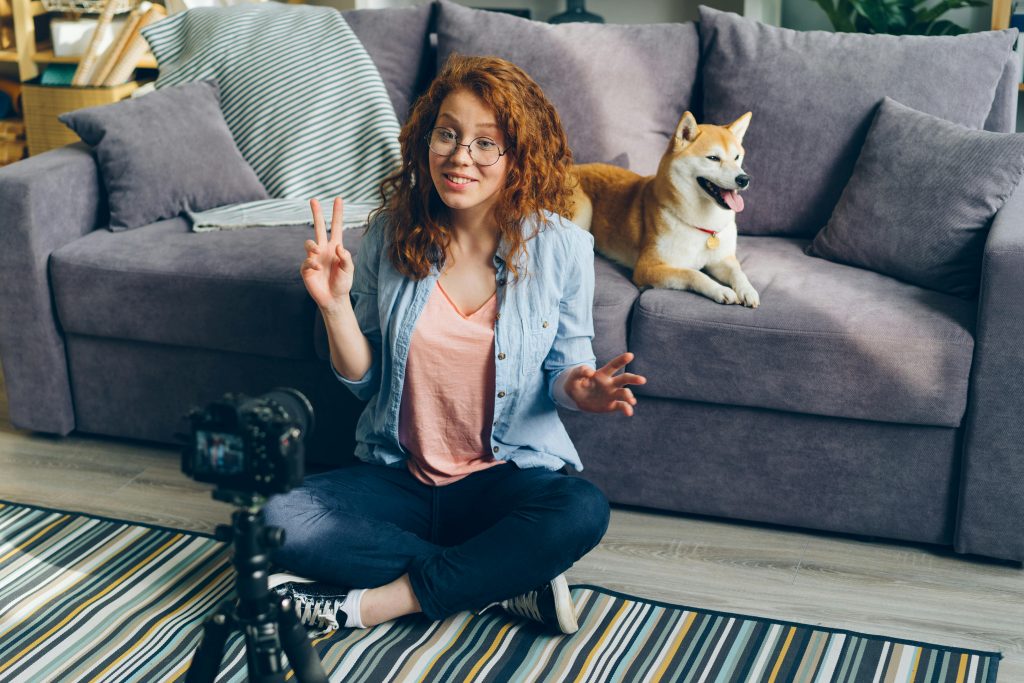
Bryan’s background in filmmaking shapes how these moments are shared. Each dog’s day is edited into short videos that highlight preferences, quirks, and temperament. Captions describe what the dog enjoys — subway rides, cuddling, toys, or treats — and what it dislikes, offering a realistic picture of life with the animal.
Across platforms like Instagram and TikTok, these videos have amassed more than 75 million views. For shelters that struggle to compete for attention online, this reach is significant.
Importantly, shelter representatives note that the impact extends beyond the featured dogs. Viewers inspired by the videos often visit shelters and adopt other animals instead. In this way, the project functions as indirect advocacy for adoption more broadly (The New York Times; NBC News).
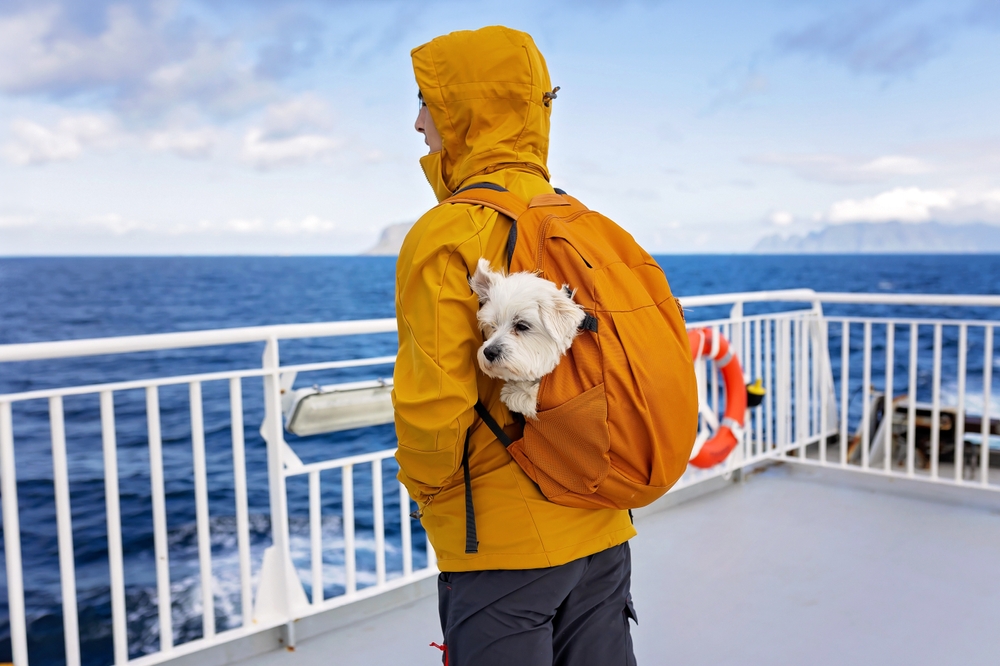
The concept did not start with shelter dogs. In 2015, Bryan and his wife began carrying their corgi, Maxine, in a backpack on subway rides to avoid leaving her home alone during long workdays. Maxine’s cheerful presence quickly caught commuters’ attention, and videos of her outings went viral.
As interest grew, Bryan noticed practical problems with existing pet backpacks and decided to design a better one. He left his job in 2020 and launched a pet gear company, Little Chonk, in 2021.
A friend later suggested using Maxine’s platform to highlight shelter dogs. Bryan began testing the idea earlier this year, and adoption success followed almost immediately.

Animal Care Centers of NYC and organizations like Best Friends Animal Society now work directly with Bryan to select dogs for outings. Staff often prioritize dogs that have been in the shelter longer or that are likely to handle busy environments well.
Julie Castle, CEO of Best Friends Animal Society, has said that the project boosts morale among shelter staff and creates positive exposure for animals that might otherwise be overlooked. In the six months following the start of the outings, her organization recorded roughly 100 more dog adoptions compared to the same period the previous year, though she notes multiple factors influence adoption trends (Associated Press).
Shelters across the country have tried creative strategies to increase adoption visibility, from themed photo shoots to “day out” volunteer programs. Bryan’s work fits into this broader movement, combining visibility, storytelling, and genuine interaction.

In a city known for its pace, a dog calmly watching commuters from a backpack often stops people in their tracks. Riders ask about the dog’s history, offer brief affection, or simply smile.
Online, viewers frequently comment that seeing shelter dogs relaxed and curious changes their perception of adoption. Others share their own rescue stories or say the videos encouraged them to visit shelters locally.
Animal welfare experts note that reducing psychological barriers is key to adoption. Meeting a dog in a normal setting — rather than imagining it through a listing — can make the idea of adoption feel more accessible (ASPCA).

Beyond adoption exposure, the outings serve the dogs themselves. Shelter environments can be stressful, limiting opportunities for exploration and socialization. Brief exposure to new settings helps dogs build confidence and adaptability, traits that increase adoptability.
Dogs like Bertha, Axl, Lucy Goosey, and Genesis have shown playfulness, affection, and calm behavior that might not be evident inside a kennel. These qualities are easier to communicate through lived moments than static photos.

The image of a dog peeking out of a backpack may seem like a novelty. But these weekly outings demonstrate how visibility, consistency, and care can influence real outcomes.
Bryan Reisberg’s project does not replace traditional shelter work. Instead, it complements it by meeting people where they already are — on subways, on social media, and in daily life.
For the dogs, one day outside can change everything. For the city watching them pass by, it offers a quiet reminder that sometimes, meaningful change begins with something small.
(The New York Times)
(NBC News)
(Associated Press)
(ASPCA)