You Don’t Need 10,000 Steps: How Just 4,000 Steps a Few Days a Week Can Significantly Boost Health and Longevity
Facts 15/12/2025 16:56
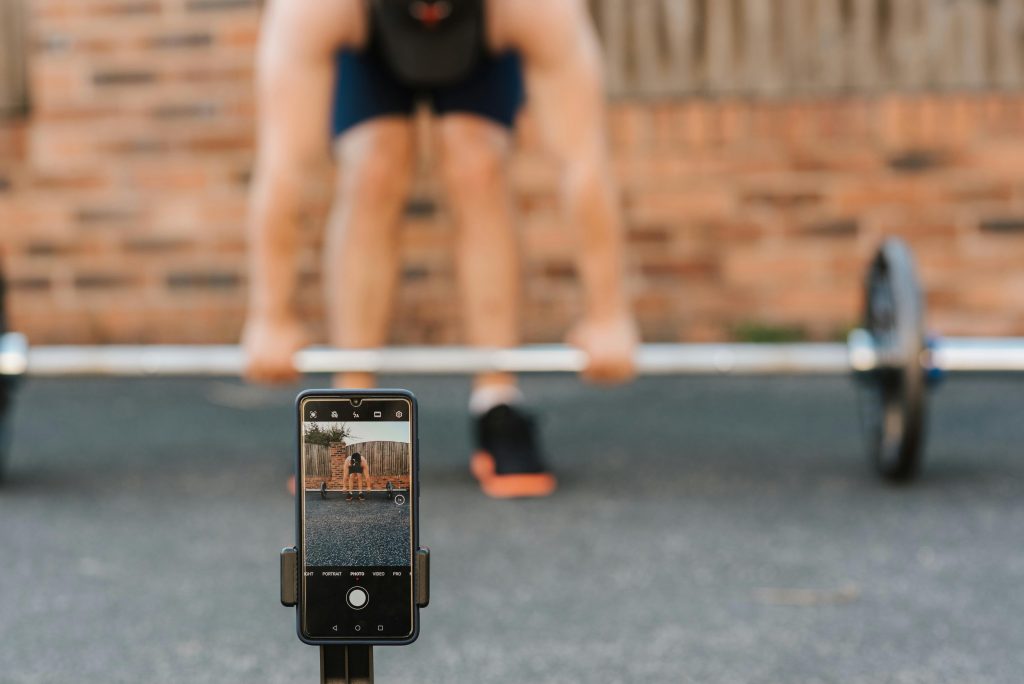
Posting a gym selfie has become almost as routine as the workout itself. Before the sweat dries or the protein shake settles, many people reach for their phones to capture the moment. It might be a mirror flex, a treadmill shot, or a caption celebrating a personal record. While these posts can motivate some and annoy others, psychologists suggest they may be revealing something deeper than a commitment to fitness.
A growing body of research from Brunel University London has sparked widespread discussion about why people broadcast their workouts online. The findings point toward psychological motivations such as narcissism, validation seeking, and self-esteem regulation. These traits do not apply to everyone who posts gym content, but the research paints a nuanced picture of how personality, social media design, and human psychology intersect.
This article explores what the studies found, why certain personality traits predict fitness-related posting, and how likes and comments reinforce these behaviors. It also considers what these patterns mean socially and what readers can take away from the science.
Researchers at Brunel University London set out to understand why Facebook users share particular types of content. In analyzing posting habits, one pattern stood out clearly: people who frequently posted about diet and exercise scored higher on measures of narcissism (Brunel University London study).
The researchers explained that these individuals appeared motivated by a desire to highlight personal achievements and physical effort. One psychologist involved in the study noted that narcissistic users tend to post more about accomplishments because they seek admiration and validation from their online audience.
This finding emerged from a broader analysis involving 555 Facebook users in the United States, who completed surveys measuring the Big Five personality traits, self-esteem, and narcissism. Participants also reported how often they posted about topics such as achievements, relationships, social events, diet, and exercise (Journal of Personality and Individual Differences).
The results raised an uncomfortable but important question: if gym posts are not only about health or inspiration, what psychological needs might they be fulfilling?

Narcissism consistently emerged as the strongest predictor of frequent fitness and achievement posts. Psychologically, narcissism involves self-focus, exhibitionism, and a strong desire for admiration. Social media platforms provide the perfect environment for this trait to express itself.
In the studies, narcissistic individuals posted more frequently about workouts, diets, and personal milestones. These posts functioned as socially acceptable self-promotion, framed as discipline or self-improvement rather than boasting.
Crucially, narcissistic users also received more likes and comments on these posts (Brunel University London). This feedback loop reinforces the behavior: attention rewards posting, which encourages more posting. Over time, the gym selfie becomes less about fitness and more about social affirmation.
Researchers found that social engagement partially explained why narcissistic individuals posted so often. The attention itself became the motivator.

Narcissism is only part of the story. Validation seeking plays a significant role as well. Many people use social media to feel acknowledged, supported, or admired — especially when offline validation feels limited.
Workout posts are ideal for this purpose. They signal discipline, progress, and self-control — qualities widely admired in modern culture. Likes and encouraging comments act as instant approval.
Related research has shown that people with lower self-esteem often post about relationships to reassure themselves and others about stability (Journal of Social and Clinical Psychology). Although that finding did not focus on fitness, it supports a broader pattern: certain posts serve emotional regulation rather than communication.
The process becomes cyclical. A person posts → receives positive feedback → feels validated → repeats the behavior. Over time, social media trains users to seek affirmation externally rather than internally.

The research also examined how the Big Five personality traits influence posting behavior:
Extraversion predicted frequent social updates but not gym posts specifically. Extraverts post to interact, not to seek validation.
Neuroticism correlated with validation seeking but not fitness posting directly.
Openness was linked to sharing ideas and information rather than personal achievements.
Agreeableness showed little association with self-promotional posting.
Conscientiousness was linked to posting about children, possibly reflecting subtle social comparison rather than attention seeking.
Across all traits, narcissism stood apart as the clearest driver of exercise and achievement content.

One of the most revealing insights from the research is how feedback can be misleading. Psychologist Dr. Tara Marshall warned that likes do not always represent genuine admiration. Friends may react politely or out of social obligation, even if they find repetitive gym posts irritating (Brunel University London).
This creates a disconnect: posters interpret engagement as approval, while audiences may feel neutral or even annoyed. Over time, this distortion can reinforce posting habits based on false assumptions about social approval.
Interestingly, the research also found that intellectual or informational posts receive less engagement, which may push users toward content — like fitness updates — that reliably generates reactions.
Not necessarily. The studies do not suggest that posting gym content equals mental illness. Instead, they highlight psychological motivations such as admiration seeking, insecurity management, and identity construction.
For some, gym posts are genuinely about accountability or motivation. For others, they serve as protection against loneliness, self-doubt, or low confidence. The same behavior can stem from very different internal states.
The key point is awareness, not judgment.
The rise of gym content also reflects a broader cultural shift. Social media rewards physical achievement, visible discipline, and transformation narratives. Fitness influencers, challenges, and “before-and-after” imagery reinforce the idea that health should be displayed publicly.
For many users — especially women — constant exposure to idealized bodies can erode self-esteem (American Psychological Association). Posting workouts may feel like reclaiming control or visibility, even if it masks deeper pressures.
This raises a wider question: how much of what we share online reflects who we are, and how much reflects what platforms reward?
Likes reinforce behavior, not necessarily meaning or value
Posting habits often reflect emotional needs, not just interests
Fitness posts can inspire — or quietly pressure — others
Social media feedback is an unreliable measure of genuine approval
Awareness helps reduce unconscious validation cycles
Understanding these dynamics allows for healthier relationships with both fitness and social platforms.
While the research highlights narcissistic traits in frequent gym posters, it also invites empathy. Social media is designed to reward attention-seeking behavior. In that environment, many people are simply responding to the system.
Posting a workout may be someone’s way of saying: “Notice me. Encourage me. See my effort.” That impulse is human.
Ultimately, these studies reveal not just individual psychology, but how digital platforms amplify certain traits while quietly shaping behavior. Gym selfies are not just about muscles — they are about identity, validation, and belonging in an attention-driven world.