The Hidden Psychology Behind Frequent Workout Posts
Facts 15/12/2025 16:01
The Tumor Microbiome: A Revolutionary Discovery in Cancer Research
Recent research compiled in a comprehensive review has unveiled an exciting and groundbreaking discovery in cancer biology: nearly all types of human cancer harbor unique communities of microorganisms, collectively referred to as the “tumor microbiome.” This discovery challenges traditional perceptions of cancer, highlighting the crucial role that microorganisms play in tumor biology.
The tumor microbiome consists of various microbes, including bacteria, viruses, fungi, and other microorganisms, that live within the tumor environment. These microbial communities are distinct from those found in normal tissue, both in their composition and diversity, with significant differences depending on the cancer type. This new area of research is transforming our understanding of cancer, emphasizing that tumors are not simply masses of abnormal cells, but complex ecosystems shaped by a variety of factors, including the microbes that inhabit them.
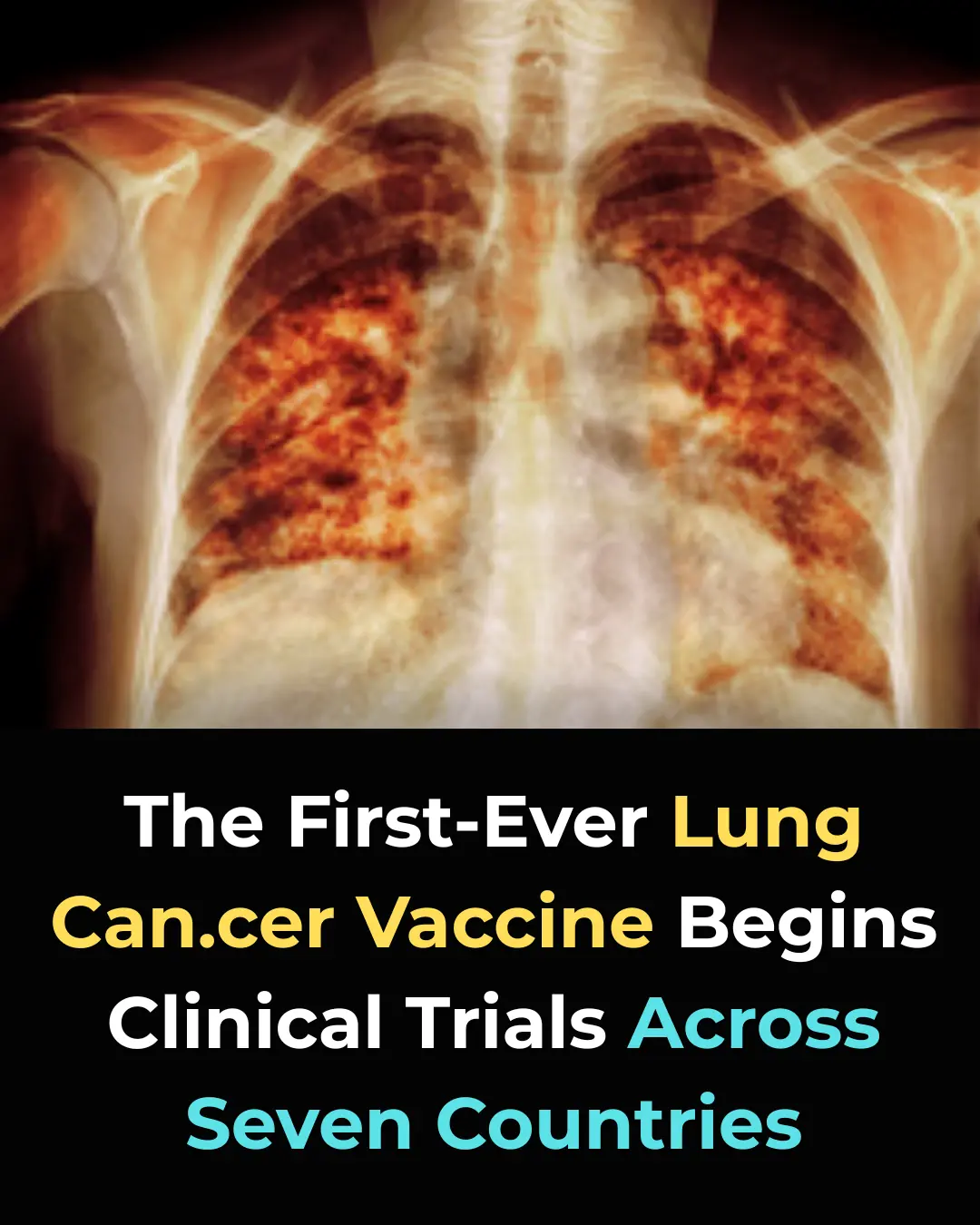
For example, studies have shown that lung tumors tend to have lower bacterial diversity and exhibit elevated levels of specific genera, such as Streptococcus and Neisseria, which are typically associated with infections. In contrast, ovarian tumors often harbor a mix of bacteria, fungi, and viruses, including Human Papillomavirus (HPV) and Cytomegalovirus (CMV). These findings suggest that the microbial population of a tumor may not only be influenced by the type of cancer but also by factors such as genetics, environmental exposures, and previous infections.
What is particularly striking about the tumor microbiome is that these microbial populations are not simply passive inhabitants of the tumor microenvironment. Emerging research suggests that these microorganisms actively influence tumor biology in several key ways. Some microbes may integrate their DNA into tumor cells, potentially disrupting the genetic stability of the tumor and promoting the accumulation of mutations that drive cancer progression. This process can be genotoxic, meaning it can trigger changes in the genetic makeup of cells that lead to tumorigenesis.
In addition, certain microbes can produce genotoxic compounds that further promote mutations or secrete metabolites that activate signaling pathways favorable to tumor growth and metastasis (the spread of cancer to other parts of the body). Microbes can also modulate local immune responses, such as reducing T-cell activity or other immune functions, which might alter how the immune system recognizes and fights the tumor. This disruption of immune responses can play a significant role in how the tumor evolves and how it responds to treatments, such as chemotherapy or immunotherapy.
The implications of this research are profound. Understanding the microbial communities within tumors could open new frontiers in cancer diagnostics, prognostics, and therapeutics:
Diagnostics: Tumor-specific microbial signatures may be used to detect cancer at an early stage or predict its behavior based on the microbial communities present. By identifying unique microbiome profiles, doctors could potentially use microbial "fingerprints" as a tool for early detection or to assess the likelihood of tumor progression.
Prognostics: The diversity and composition of the microbiome within a tumor could provide insight into the prognosis of a patient’s cancer. For instance, a more diverse tumor microbiome might correlate with better responses to treatment or more favorable outcomes. Conversely, specific microbial imbalances could serve as a marker for more aggressive or treatment-resistant cancers.
Therapeutics: Targeting or modulating the tumor microbiome could lead to new therapeutic strategies that improve the effectiveness of existing treatments. For example, scientists could develop therapies that either kill harmful microbes or promote beneficial ones to enhance immune responses and reduce tumor growth. This might also help overcome drug resistance by altering the microbiome to make the tumor more susceptible to treatment.
Despite these promising prospects, the review stresses that more research is needed to fully understand the role of microbes in cancer. One of the key questions that remains to be answered is causality: Do microbes initiate tumors, or do they simply colonize them once they’ve already formed? This is a critical distinction that will help scientists determine whether targeting the microbiome could prevent cancer in the first place, or if it’s more effective as part of a broader treatment strategy.
Additionally, while the potential for precision medicine using the tumor microbiome is exciting, significant challenges remain in translating these findings into clinical practice. The development of reliable diagnostic tools based on microbiome signatures, for example, requires a better understanding of the complex interactions between microbes and tumor cells. It also involves addressing regulatory hurdles, as microbiome-based therapies will require extensive testing to ensure their safety and efficacy in humans.
National Institutes of Health (NIH): Ongoing research into the role of the microbiome in cancer and its implications for treatment. NIH website
Nature Reviews Cancer: A review of the tumor microbiome and its impact on cancer progression and therapy. Nature Reviews
World Health Organization (WHO): Cancer research and the integration of microbiome studies in oncology. WHO website
Cell: A groundbreaking study on the tumor microbiome and its role in cancer development and therapy. Cell Journal
The discovery of the tumor microbiome is set to revolutionize our understanding of cancer and the way we approach its treatment. Far from being passive bystanders, the microbes residing in tumors play an active role in cancer progression and treatment responses. As research continues to unravel the complex interactions between these microbes and cancer cells, we may find new ways to detect, treat, and ultimately prevent cancer. The integration of the microbiome into cancer care holds the potential to not only transform oncology but also pave the way for more personalized and effective therapies in the future.