The Hidden Psychology Behind Frequent Workout Posts
Facts 15/12/2025 16:01
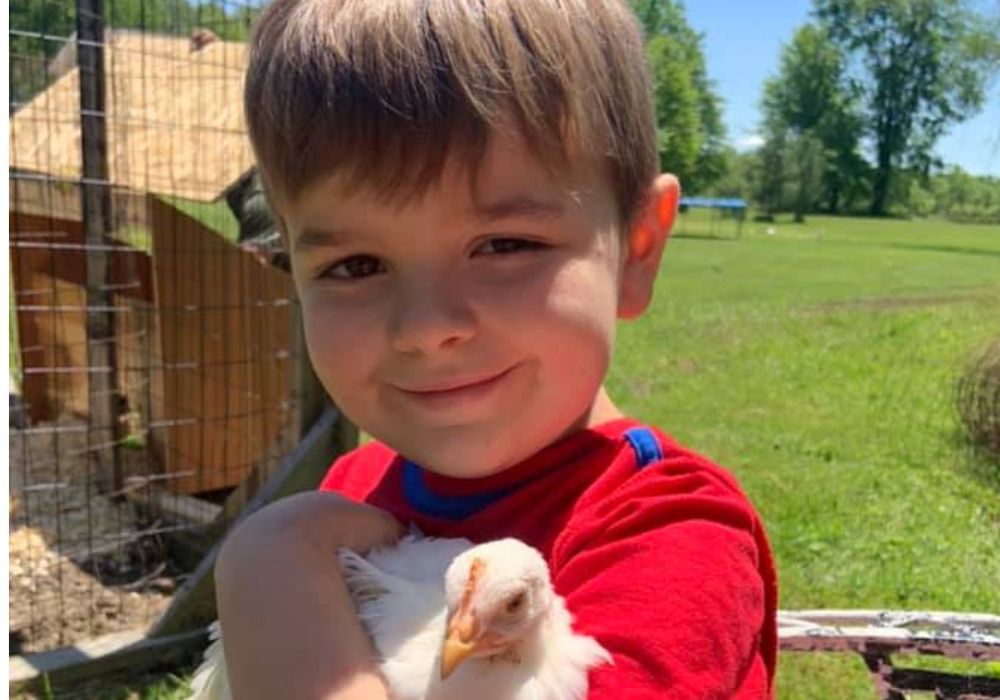
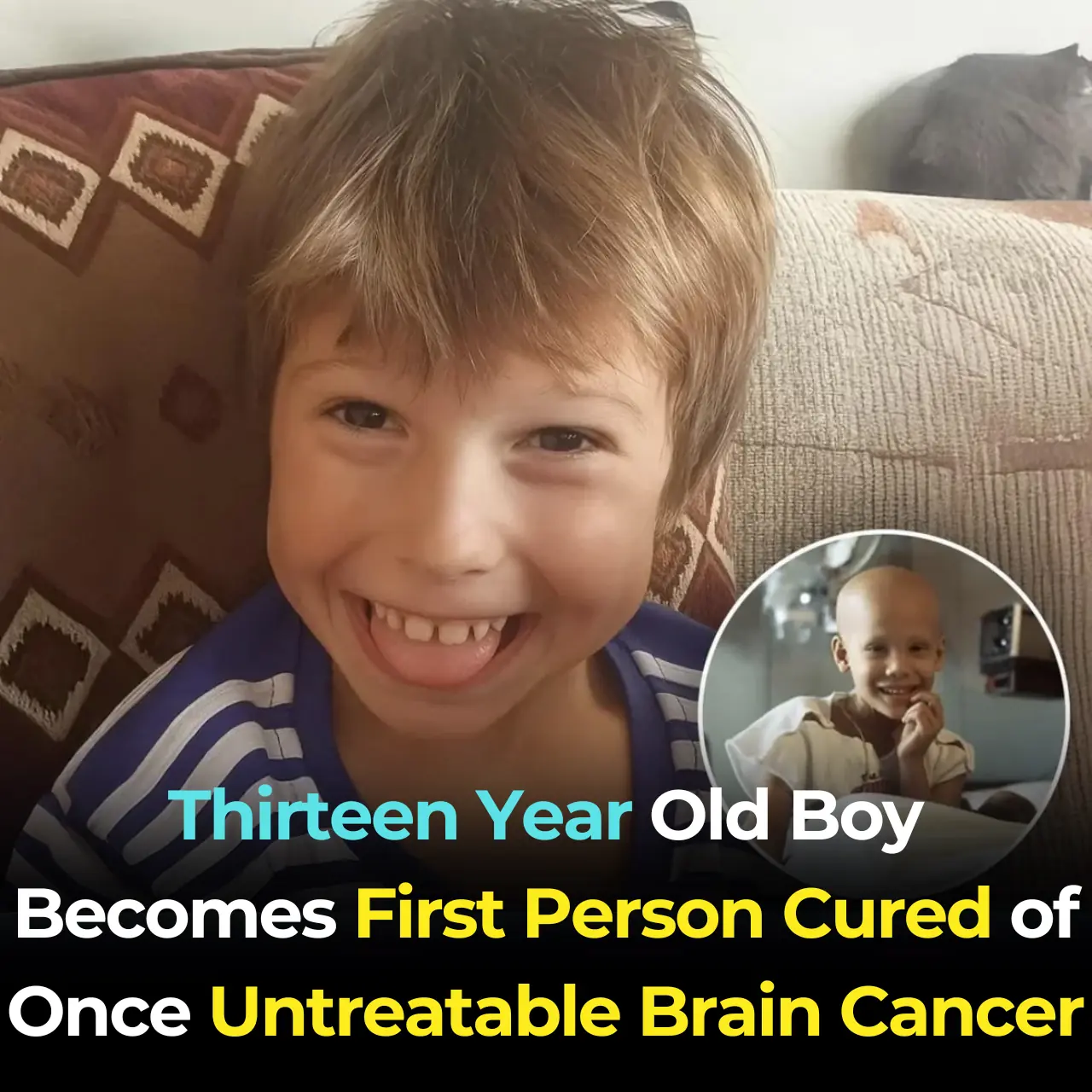
A school hallway is usually just a place people pass through without thinking. But on one winter morning in Newbury, Ohio, that ordinary space became something unforgettable. When 6-year-old John Oliver “JO” Zippay returned to St. Helen Catholic School after completing chemotherapy for leukemia, he didn’t walk back into class quietly. Instead, he was greeted by a long corridor filled with classmates and teachers standing, clapping, smiling, and cheering him on.
The moment lasted only minutes, but it marked far more than a return to school. It symbolized resilience, community, and the often-overlooked reality that recovery doesn’t end when treatment does—it continues when a child finds the strength to step back into everyday life.
JO had finished his final IV chemotherapy treatment just weeks earlier, in late December. Like many children after long medical absences, he expected something small upon his return—maybe an announcement over the loudspeaker. Instead, the school chose a gesture that was personal and human. As he walked down the hall, surrounded by applause and encouragement, the message was clear: he had been missed, remembered, and welcomed back without hesitation.
His parents, Megan and John Zippay, described the moment as deeply emotional. For them, the applause wasn’t just about celebration—it marked the closing of a chapter dominated by hospital visits and uncertainty, and the opening of another shaped by routine, learning, and childhood again. Megan later said that the look on her son’s face in that hallway was “pure happiness.”
Teachers explained that JO’s classmates were simply excited to have him back. Despite his long absences, he remained part of the class, not a name that faded over time.

JO’s journey began when he was just 3 years old. His parents noticed changes that didn’t match his normally energetic personality—unusual bruising, fatigue, and behavior that raised quiet concern. After medical tests, an urgent middle-of-the-night call sent them rushing to the hospital, where doctors began evaluating him for leukemia.
He was diagnosed with acute lymphoblastic leukemia, the most common childhood cancer affecting the blood and bone marrow. What followed were years defined by chemotherapy, hospital stays, blood transfusions, and invasive tests like bone marrow biopsies. A mediport was placed in his chest to allow repeated treatments, and monthly steroid regimens became part of life.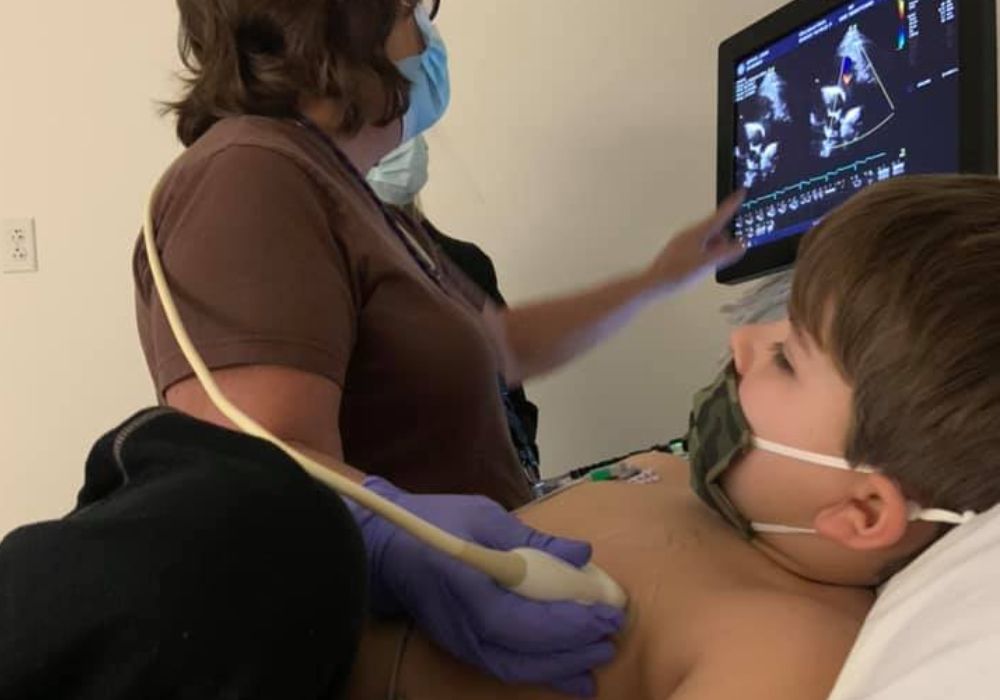
The side effects were intense. Regular school attendance, sports, and simple childhood routines were often impossible. Yet through it all, JO’s family focused on small victories—days when he felt strong enough to learn, play, or simply feel like himself.
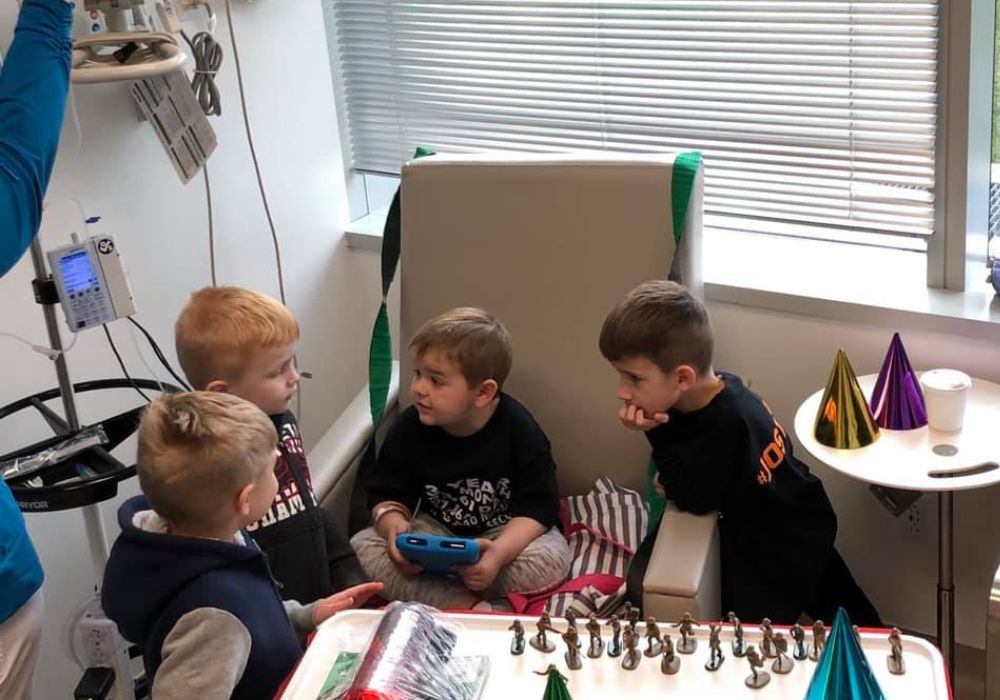
Medical treatment keeps a child alive, but community helps them come back to life. Throughout JO’s illness, his school stayed connected. Despite missing long stretches of class, he didn’t fall behind academically—a testament not just to his determination, but to teachers who adapted and classmates who stayed engaged.
JO’s mother shared updates through a Facebook group created to keep supporters informed. This transparency helped prevent isolation, allowing classmates and families to understand what was happening rather than letting silence create distance. By the time JO returned, his welcome wasn’t performative—it was earned through years of shared concern and hope.
The hallway ovation didn’t happen by accident. Family friends and school staff coordinated the moment carefully, even including a school assembly and a video documenting JO’s three-year fight. The result was a celebration that felt warm, not overwhelming.

Like many children finishing cancer treatment, JO rang the ceremonial hospital bell marking his final chemotherapy session. His father later shared that he encouraged his son to ring it for children who never got that chance—a reminder that survivorship carries both joy and awareness.
That same layered meaning echoed in the school hallway. The applause didn’t suggest that everything was suddenly easy. It acknowledged the fear, the effort, and the time lost—and affirmed that JO still belonged.
Now, JO is looking forward to things most children take for granted: playing sports, jumping on a trampoline, joining gym class, and running freely at recess. These are small freedoms, but after years of treatment, they mean everything.
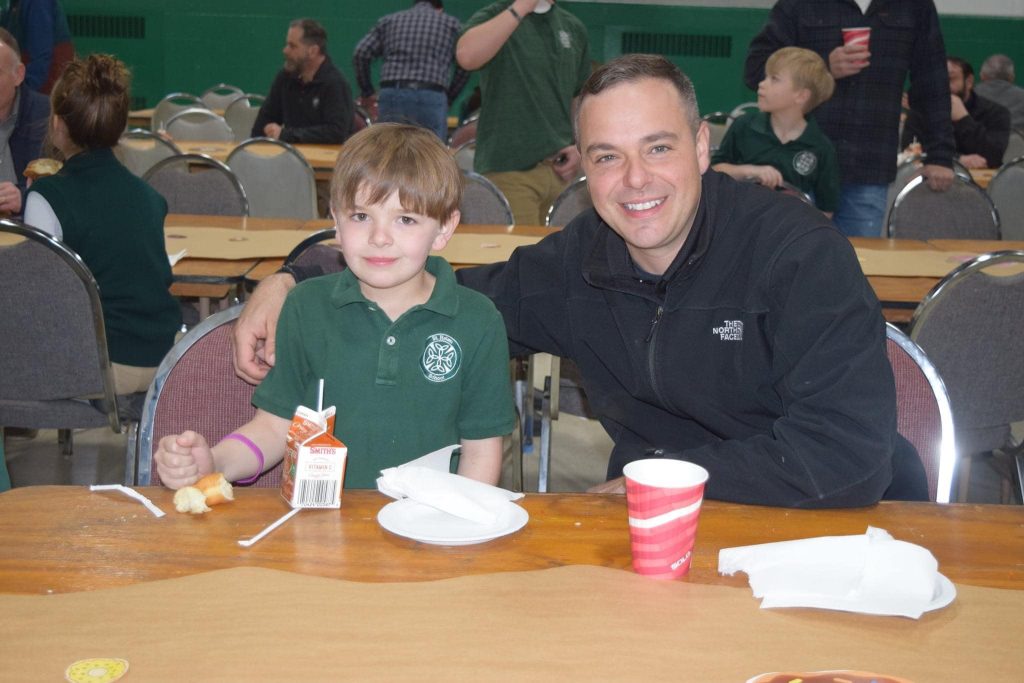
JO’s story highlights an important truth: healing doesn’t stop at the hospital doors. Children returning from serious illness need more than medical clearance—they need patience, inclusion, and reminders that they are still part of their world.
For schools and communities, support doesn’t have to be grand. It just has to be consistent. A kind welcome, a friend at recess, understanding when energy runs low—these gestures help children rebuild confidence and routine.
Sometimes, a hallway filled with applause can do what medicine alone cannot: remind a child that they are not defined by what they’ve endured, but by the life waiting for them next.