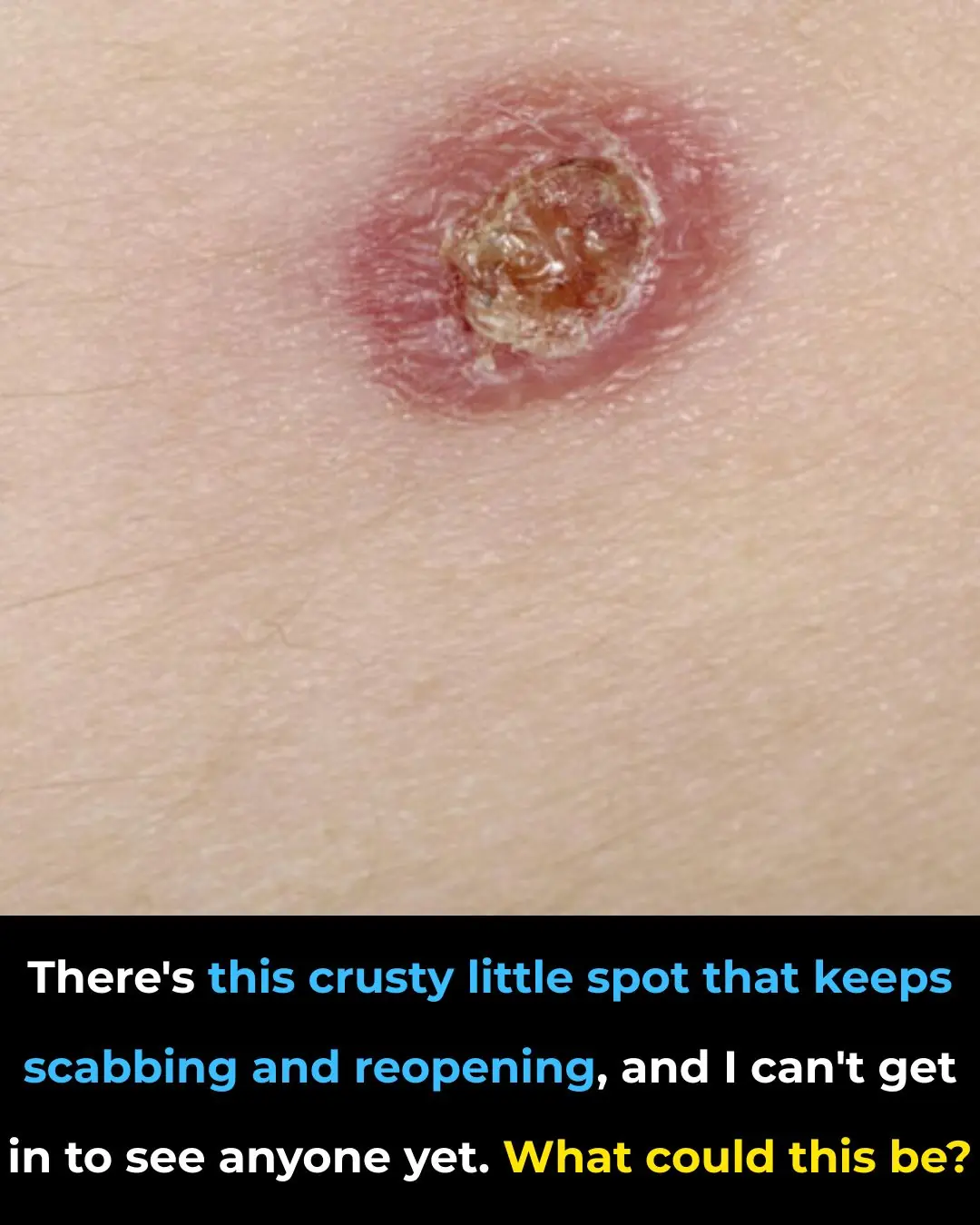
There’s a Crusty Spot That Keeps Scabbing and Reopening — What Could It Be?
News 15/12/2025 17:02
WD-40 is a name almost everyone recognizes — usually as the go-to spray for a squeaky hinge or rusty bolt. But this familiar product is far more versatile than most people realize. Originally developed in the 1950s as a water-displacement formula to protect aerospace components from corrosion, it has since become a staple in garages and utility closets worldwide because it cleans, protects, lubricates, and loosens in countless situations. WD-40
Below are 12 useful household applications of WD-40 — along with safety notes and guidance on when not to use it — so you can make the most of this multipurpose spray without causing harm.
Before using WD-40 indoors, remember:
It is flammable — avoid spraying near open flames, heat sources (like stoves), or in poorly ventilated spaces. House Digest
Avoid inhaling the spray directly and prevent contact with skin/eyes.
Keep cans away from children and pets.
Always read and follow the instructions on the label.
Although popular for many tasks, WD-40 should be used with caution, especially on some materials where it can cause damage. Homes and Gardens
Sticky residue from price tags, shipping labels, tape, or decals can be stubborn. A quick spray of WD-40 helps dissolve the adhesive, making it easier to peel the residue off without harsh scrubbing.
Apply a little WD-40 on tricky zippers — on jackets, bags, or luggage — and gently work the zipper back and forth. It helps the teeth slide smoothly again.
After outdoor work, dirt and moisture can cause rust on metal tools. WD-40 removes grime and leaves a protective layer that slows future corrosion — helping your tools last longer.
Spraying WD-40 on exterior window frames or snow shovels in winter can help prevent ice from sticking. This makes clearing snow easier and reduces pressure on frames and edges.
Stuck-on gum or sticky substances on floors, walls, shoes, or countertops can be softened with WD-40. Let it sit for a few minutes, then wipe or gently scrape away the mess.
WD-40 can remove fingerprints, smudges, and surface grime from stainless steel appliances. Wiping it with a cloth after spraying will give a cleaner, shinier look — just remember to wipe off any residue afterward.
One of WD-40’s most well-known uses is lubricating metal parts like door hinges, gate latches, drawer pulls, and window tracks to eliminate squeaking and ease movement. WD-40
Crayon marks from walls or scuffs on floors are no match for WD-40. Spray lightly and wipe with a cloth — it helps lift waxy and oily residues without excessive scrubbing.
Rust forms when metal is exposed to moisture and oxygen. A thin coating of WD-40 can act as a moisture barrier, slowing rust development on patio furniture, grills, and metal fixtures.
Black scuff marks from shoes, carts, or furniture legs can often be lifted with a WD-40 spray and a cloth. Always wipe clean afterward to avoid slippery residue.
If drawers or sliding doors get stuck or drag, a light application of WD-40 on the tracks can help them move more freely — though for plastic-on-plastic tracks, a silicone spray might be better. Homes and Gardens
WD-40 can help displace grime and moisture in hard-to-reach places like tool joints, bike racks, and garden equipment. Its penetrating properties make it useful for cleaning before maintenance.
Despite its versatility, WD-40 isn’t right for every situation. According to home improvement experts, there are several places you should avoid using it because it can damage materials, attract dirt, or pose safety risks: Homes and Gardens+1
🚫 Avoid Using WD-40 On:
Door Locks: WD-40 can attract dust and dirt into the mechanism, making locks stick over time. Graphite powder or dry lubricants are better choices. Homes and Gardens
Bicycle Chains: It attracts dirt and grit, which can wear chains faster than proper bike lubricants. Homes and Gardens
Rubber and Some Plastics: Petroleum-based spray can soften or degrade certain rubber seals and sensitive plastics. House Digest
Electronic Components: It’s not designed for electrical contacts and can leave residue that interferes with components. Homes and Gardens
Gas Appliances: Due to flammability, never spray near gas stoves, heaters, or any open flame. House Digest
Waxed or Finished Wood: It can soften wax and harm wood finishes, leaving marks. Yahoo Tech
WD-40’s original formula is a water-displacement spray that cleans and protects metal surfaces first — lubrication is a secondary benefit. Snopes
Because cans contain petroleum-based solvents, always test in an inconspicuous area before use on delicate surfaces.
WD-40 isn’t just for squeaky hinges — it’s a surprisingly multipurpose home maintenance tool when used correctly. From cleaning sticky residue and protecting tools from rust to helping with winter tasks and polishing appliances, its range of uses is broader than most people think. Just be mindful of where you spray it and follow safety precautions to avoid unintended damage. WD-40