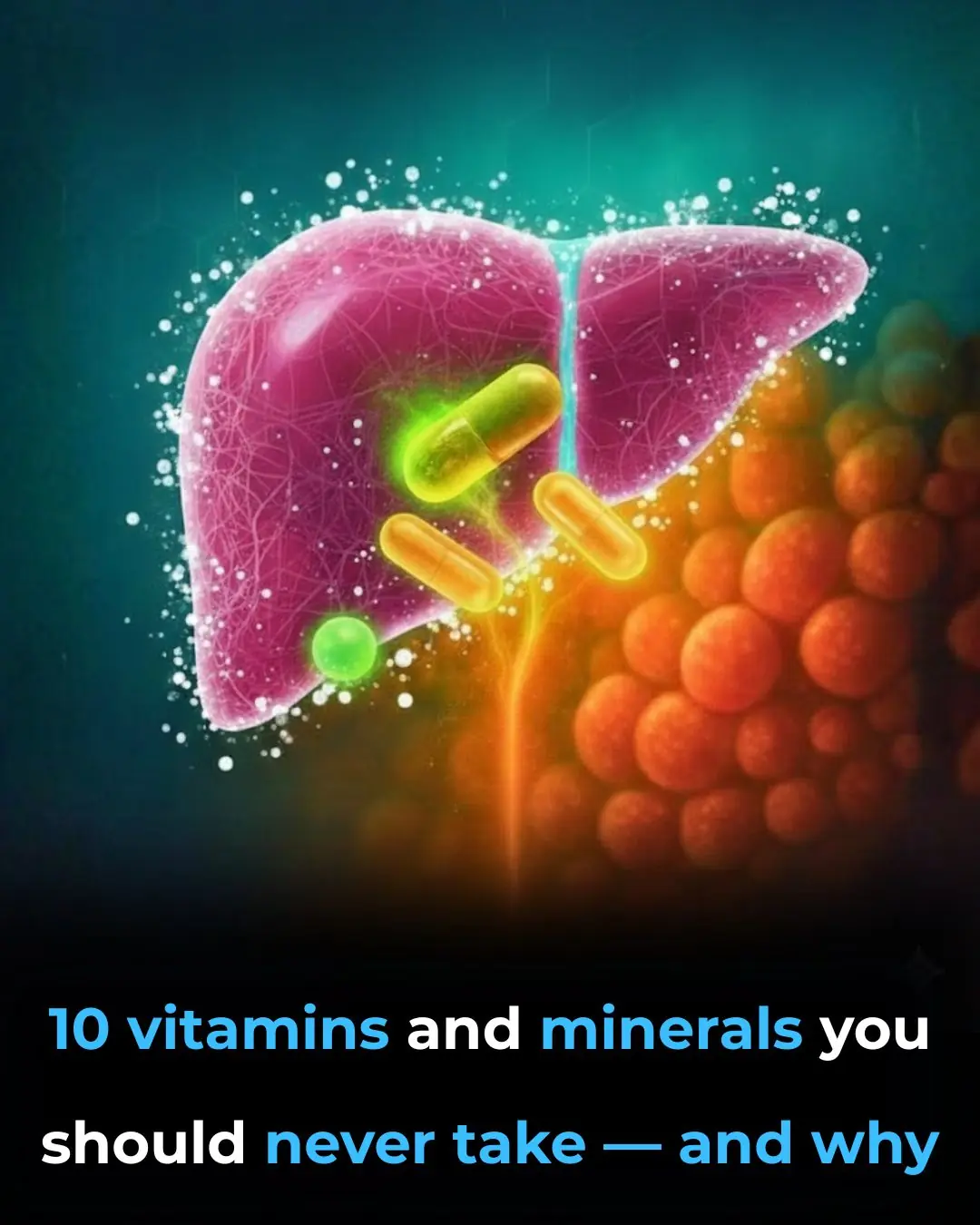
10 Vitamins and Minerals You Should Never Take — and Why
Health 15/12/2025 12:32
Fatty liver disease is often called a “silent” condition because it can develop quietly, without obvious symptoms in its early stages. However, once the disease progresses, it can have serious consequences for your overall health. Left unmanaged, fatty liver disease may lead to chronic inflammation, excessive scarring of liver tissue (fibrosis), cirrhosis, and even liver failure or liver cancer over time.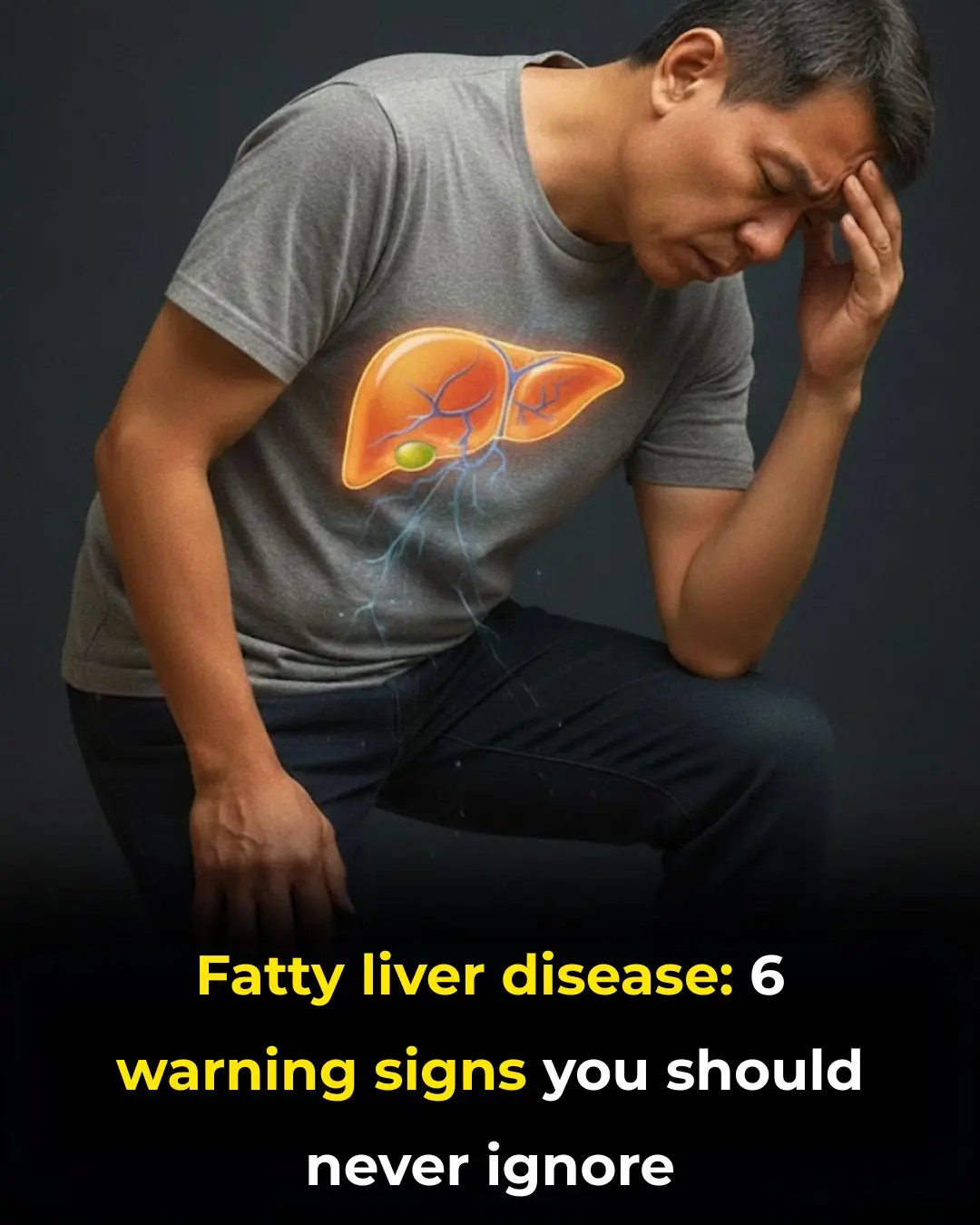
This condition develops when excess fat accumulates in liver cells faster than the liver can process and eliminate it. The most common risk factor is obesity—studies suggest that up to 75% of people with obesity may develop fatty liver disease at some point. Other major contributors include type 2 diabetes, insulin resistance, metabolic syndrome, and excessive alcohol consumption. In fact, up to 90–100% of people who chronically abuse alcohol will eventually develop fatty liver changes.
Because early detection plays a critical role in preventing long-term liver damage, understanding the warning signs of fatty liver disease is essential. Below are six key symptoms that may indicate your liver is under strain and needs medical attention.
Chronic fatigue is one of the earliest and most common signs of liver dysfunction. When the liver is overwhelmed, it becomes less efficient at processing toxins and regulating energy metabolism. This can leave you feeling constantly tired, weak, mentally foggy, or unusually unmotivated.
If you notice unexplained exhaustion, difficulty concentrating, or a tendency to withdraw from daily activities due to low energy, it may be more than just stress or lack of sleep. Persistent fatigue should always be taken seriously, especially when combined with other symptoms.
Jaundice is a classic sign of liver trouble. It occurs when bile flow is impaired and bilirubin—a yellow pigment normally processed by the liver—builds up in the bloodstream. This leads to yellowing of the skin and the whites of the eyes.
In fatty liver disease, jaundice may also be accompanied by itchy skin or small yellowish bumps. Because jaundice can signal significant liver dysfunction, it should always be evaluated promptly by a healthcare professional.
The liver plays a vital role in bile production, which gives stool its normal brown color. When bile flow is disrupted, stool may appear pale, clay-colored, or unusually foul-smelling. At the same time, urine may become abnormally dark, even when you are well hydrated.
These changes are important red flags and may indicate bile duct blockage or advanced liver dysfunction. Any persistent alteration in urine or stool color warrants immediate medical evaluation.
Beyond jaundice, fatty liver disease may cause a variety of skin-related symptoms. These include patchy or darkened skin, particularly around the neck or under the arms, which may also be linked to insulin resistance.
Other signs can include visible broken blood vessels on the face, chest, shoulders, or back, excessively red palms, and changes in the nail beds such as whitening or irregular texture. These physical changes reflect underlying metabolic and circulatory stress associated with liver disease.
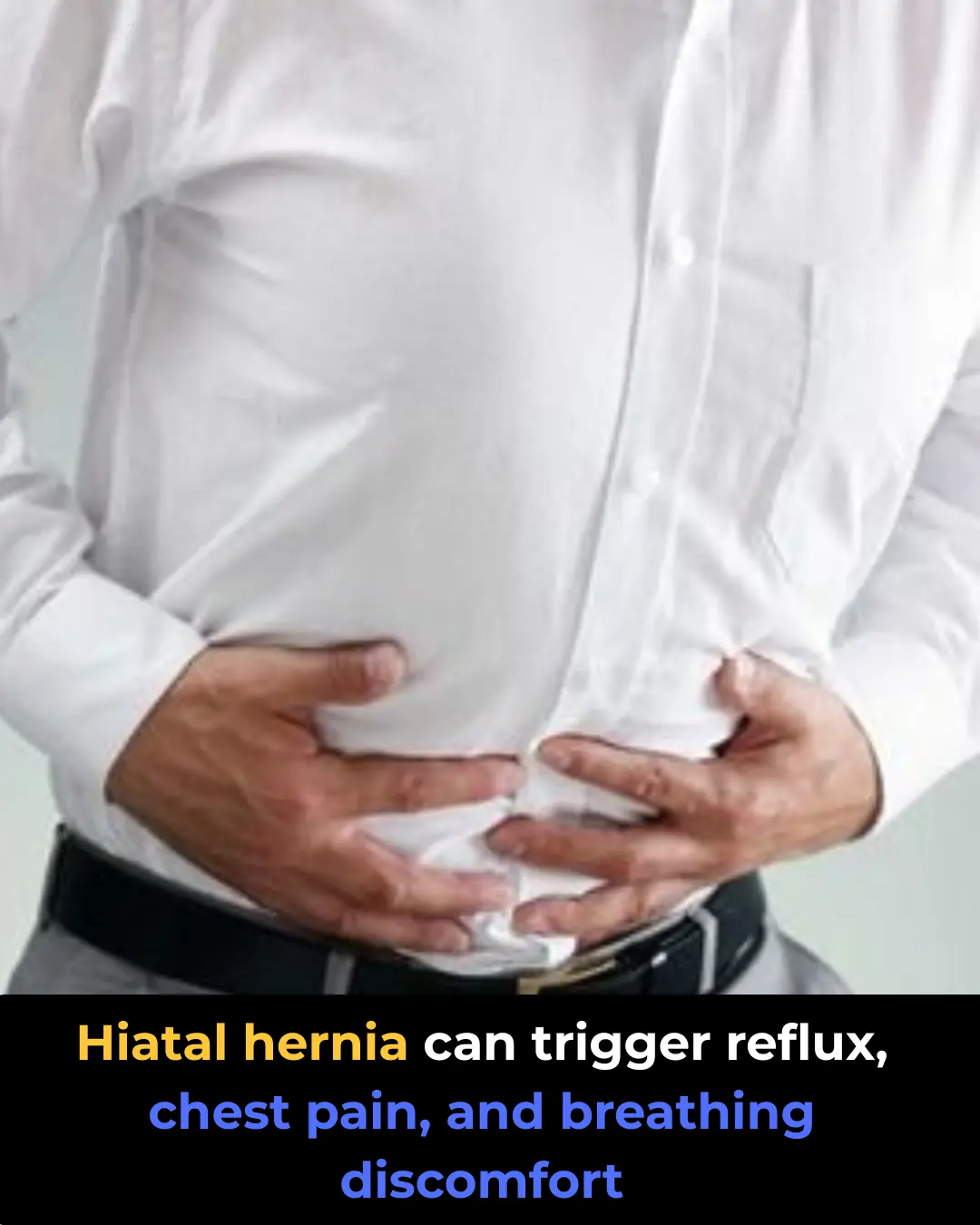
Pain or discomfort in the upper right side of the abdomen—where the liver is located—can indicate liver inflammation or enlargement. This pain may feel dull, aching, or persistent and should never be ignored.
If abdominal pain is accompanied by nausea, vomiting (especially with traces of blood), or blood in the stool, it may signal a serious complication such as internal bleeding and requires urgent medical care.
An enlarged, tight abdomen that pushes the belly button outward can be a sign of ascites, a condition caused by fluid accumulation in the abdominal cavity. Ascites is often associated with advanced liver disease and impaired blood flow through the liver.
This symptom typically indicates significant liver damage and should be treated as a medical priority. Early intervention can help reduce complications and improve long-term outcomes.
Fatty liver disease is often reversible in its early stages through lifestyle changes such as weight management, improved diet, reduced alcohol intake, and better blood sugar control. However, once the disease progresses to cirrhosis, the damage becomes largely irreversible.
If you recognize one or more of these symptoms—especially if you have risk factors like obesity, diabetes, or heavy alcohol use—consult a healthcare provider as soon as possible. Simple blood tests, imaging studies, and lifestyle interventions can make a significant difference when action is taken early.
Your liver works tirelessly, performing hundreds of essential functions every day to keep your body balanced and healthy. Fatty liver disease is a growing global health concern, but it does not have to be a life sentence. Paying attention to early warning signs and seeking timely medical advice can help protect your liver and prevent serious complications.