
Facts 16/12/2025 11:39
American Psychological Association (APA). Anxiety, control, and predictability.
What It Really Means When Someone Is Always Early, According to Psychology
Some people seem physically incapable of being late. They are the ones standing outside the café well before the agreed time, refreshing their messages, or sitting in their cars waiting for the moment it feels socially acceptable to walk in. To most observers, this behavior looks like nothing more than politeness, professionalism, or impressive time management. But psychologists suggest that consistently arriving early—far earlier than necessary—can reveal far more about a person’s inner world than we might expect.
While punctuality is widely praised, habitual earliness raises an intriguing question: why do some people feel such a strong need to stay ahead of the clock? Research in psychology suggests that the answer often lies at the intersection of personality traits, upbringing, cultural values, and even hidden anxieties.
A Quiet Search for Control in an Unpredictable World
Time is one of the few resources in life that cannot be paused, reversed, or negotiated. For many people, arriving early becomes a way to reclaim a sense of control in a world full of uncertainty. Psychologists note that individuals who consistently show up early often feel uncomfortable with unpredictability—traffic delays, missed trains, or unexpected interruptions can feel deeply unsettling.
By arriving ahead of schedule, they reduce the number of variables they must manage. There is no rushing, no frantic apologies, and no fear of letting others down. According to research on anxiety and control, predictability plays a key role in emotional regulation, helping people feel calmer and more secure in their environment .
Writer and time-management commentator Oliver Burkeman has described this behavior as a protective shield against uncertainty. Being early is not merely about courtesy; it is about carving out a small pocket of calm before the demands of social interaction begin. In this sense, early arrivals are not just beating the clock—they are actively managing their stress levels.
The People-Pleasing and Social Anxiety Link
For others, chronic earliness has less to do with control and more to do with fear of disappointing others. Arriving early becomes a silent message: your time matters, and I don’t want to inconvenience you. In cultures where lateness is often equated with disrespect or laziness, punctuality can act as a form of social insurance.
Psychologists studying people-pleasing behaviors have found that individuals who are highly sensitive to others’ approval often adopt strict punctuality to avoid criticism or conflict . Logging into virtual meetings early or arriving long before dinner is served may appear considerate on the surface, but underneath it can be driven by an unspoken hope that reliability will earn goodwill.
In extreme cases, showing up early functions almost like a pre-emptive apology—proof that the person is doing everything possible to avoid being judged negatively.
Planning as a Personality Trait
Another explanation lies in personality structure. Habitual early arrivers are often natural planners. They build buffers into their schedules to absorb delays and surprises, a strategy strongly associated with conscientiousness—one of the Big Five personality traits. Studies consistently link conscientiousness with reliability, preparation, and strong self-discipline .
Time-management expert Diana DeLonzor notes that people who plan this way are rarely just punctual; they tend to approach most responsibilities with the same level of care. They keep lists, set multiple alarms, and mentally rehearse routes before traveling somewhere new. For them, being early is not about fear—it is about readiness.
However, this strength has a downside. When others do not share the same urgency, frustration can build. Research on interpersonal expectations shows that mismatched attitudes toward time can strain relationships, particularly when one person interprets lateness as a personal slight .
Childhood Conditioning and Cultural Norms
Habits around time rarely develop in isolation. For many people, the drive to be early is rooted in childhood. Families that emphasized punctuality often framed it as a moral issue rather than a practical one. Being late was not simply inconvenient—it was wrong.
These early lessons often persist into adulthood. Sociological studies suggest that children internalize family attitudes toward time, carrying them into their professional and social lives decades later .
Culture adds another powerful layer. In countries such as Germany, Switzerland, and Japan, punctuality is deeply ingrained and socially enforced. In contrast, many Mediterranean and Latin American cultures view time as more flexible, with lateness seen as normal rather than offensive. Anthropologist Edward T. Hall famously described these differences as “monochronic” versus “polychronic” time cultures, a distinction still widely referenced in cross-cultural psychology today .
When Earliness Masks Anxiety
For some individuals, arriving early serves as a coping mechanism for anxiety. People with social anxiety often prefer to enter a space before it fills up, giving them time to adjust, choose a comfortable seat, and mentally prepare. Research shows that having extra preparation time can significantly reduce anticipatory stress in social situations .
In these cases, sitting alone for ten minutes feels far less threatening than walking into a crowded room under everyone’s gaze. Earliness becomes less about logistics and more about emotional safety.
The Hidden Cost of Always Waiting
Ironically, being early can create its own frustrations. Studies on time perception show that waiting often makes time feel as though it is passing more slowly, increasing irritation and impatience . This helps explain why early arrivers may find themselves obsessively checking the clock or feeling quietly resentful when others arrive late.
What begins as a strategy for calm and control can gradually turn into a source of stress.
What Your Relationship With Time Reveals
Ultimately, being early is rarely about a single motivation. It may reflect discipline, anxiety, cultural values, or lessons learned long ago. The key lies in self-awareness. Understanding why you arrive early allows you to keep the benefits—reliability, preparedness, respect—without letting rigidity or stress take over.
At its core, timekeeping is deeply human. It reflects values, fears, habits, and identity. Whether you arrive early or occasionally late, what matters most is not the number on the clock, but the intention behind it—and the flexibility to recognize that others experience time differently.
References (Nguồn tin uy tín bổ sung)
-
American Psychological Association (APA). Anxiety, control, and predictability.
-
Psychology Today. People-pleasing and social approval behaviors.
-
Journal of Personality Research. Conscientiousness and time management.
-
Harvard Business Review. How time expectations affect relationships at work.
-
The Atlantic. How childhood habits shape adult behavior.
-
Hall, E. T. The Dance of Life: The Other Dimension of Time.
-
National Institute of Mental Health (NIMH). Social anxiety and anticipatory stress.
-
Scientific American. Why waiting feels longer than it is.
News in the same category

How Portugal Is Turning Urban Parking Towers into Night Shelters for the Homeless

Always the Strong One: The Emotional Cost of Holding Everything Together

A New Cancer Vaccine Shows Long-Lasting Protection in Preclinical Studies

The Meaning of Having an Unmade Bed

Fatty liver disease: 6 symptoms you need to know

From NFL Stardom to Farming: Jason Brown’s Inspiring Journey to Fight Hunger and Honor His Brother
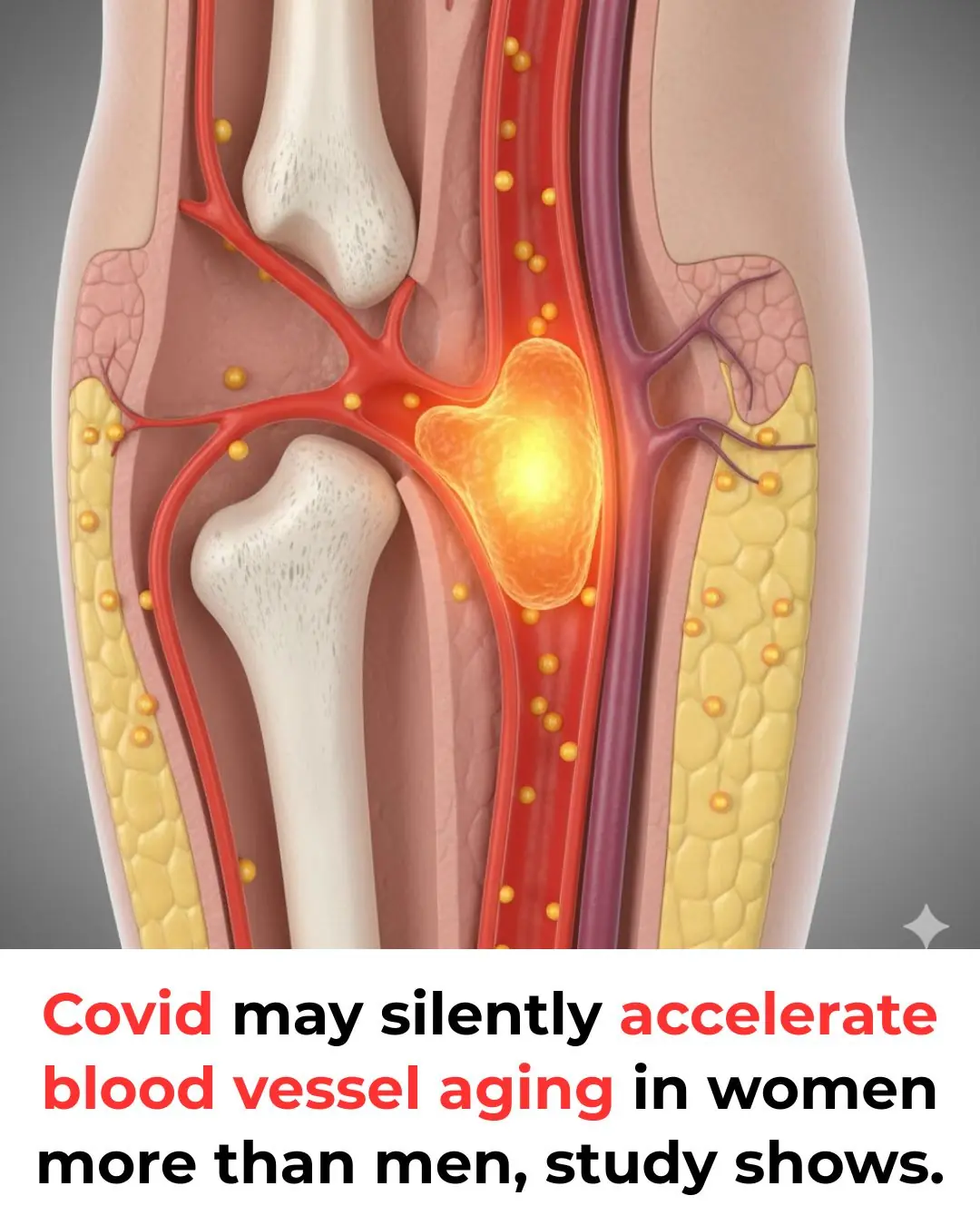
COVID-19 May Accelerate Blood Vessel Aging in Women, Study Finds

Scientists Unveil Hidden Ancient Landscape Beneath Antarctica’s Ice: A Glimpse into Earth’s Prehistoric Ecosystems

Study Finds Encouraging Immune Responses from Novel Pancreatic Cancer Vaccine

⚡ Power Unleashed: DARPA Transmits Energy Over 5 Miles Without Wires! 🔋✨

China Launches the Three-Body Computing Constellation: A New Era of AI-Powered Space-Based Supercomputing

Felix Baumgartner's Historic Jump: Breaking the Sound Barrier from the Edge of Space

Josie the Blind Lioness: A Remarkable Tale of Survival, Family Bonds, and Adaptation in Addo National Park

7 Red Flag Phrases Narcissists Use to Exert Control During Arguments

What Arriving Early All the Time Says About Your Personality, According to Psychology

If These 8 Activities Energize You Instead of Drain You, You’re Likely a Highly Intelligent Introvert

Sophia Park Makes History as the Youngest Person to Pass the California Bar Exam at 17

Legendary Japanese Actor Tatsuya Nakadai Passes Away at 92
News Post
How Turkey’s ‘Micro Animal Closets’ Are Offering Care to Stray Animals in Urban Parks
Facts 16/12/2025 19:28
How Portugal Is Turning Urban Parking Towers into Night Shelters for the Homeless
Facts 16/12/2025 19:23

How Retroftted City Buses Are Providing Warmth and Rest for the Homeless in Canada
Facts 16/12/2025 19:20

People with heart problems should avoid these 4 things to reduce stimulation to the heart
Health 16/12/2025 19:18

12 Bizarre Symptoms of Vitamin D Deficiency You Need to Know
Health 16/12/2025 19:16

8 warning signs of colon cancer you should never ignore
Health 16/12/2025 19:12

The daily drink that helps clear blocked arteries naturally
Health 16/12/2025 19:10

This old school home remedy will soothe your back, joints & knee pain in just 7 days!
Health 16/12/2025 18:59
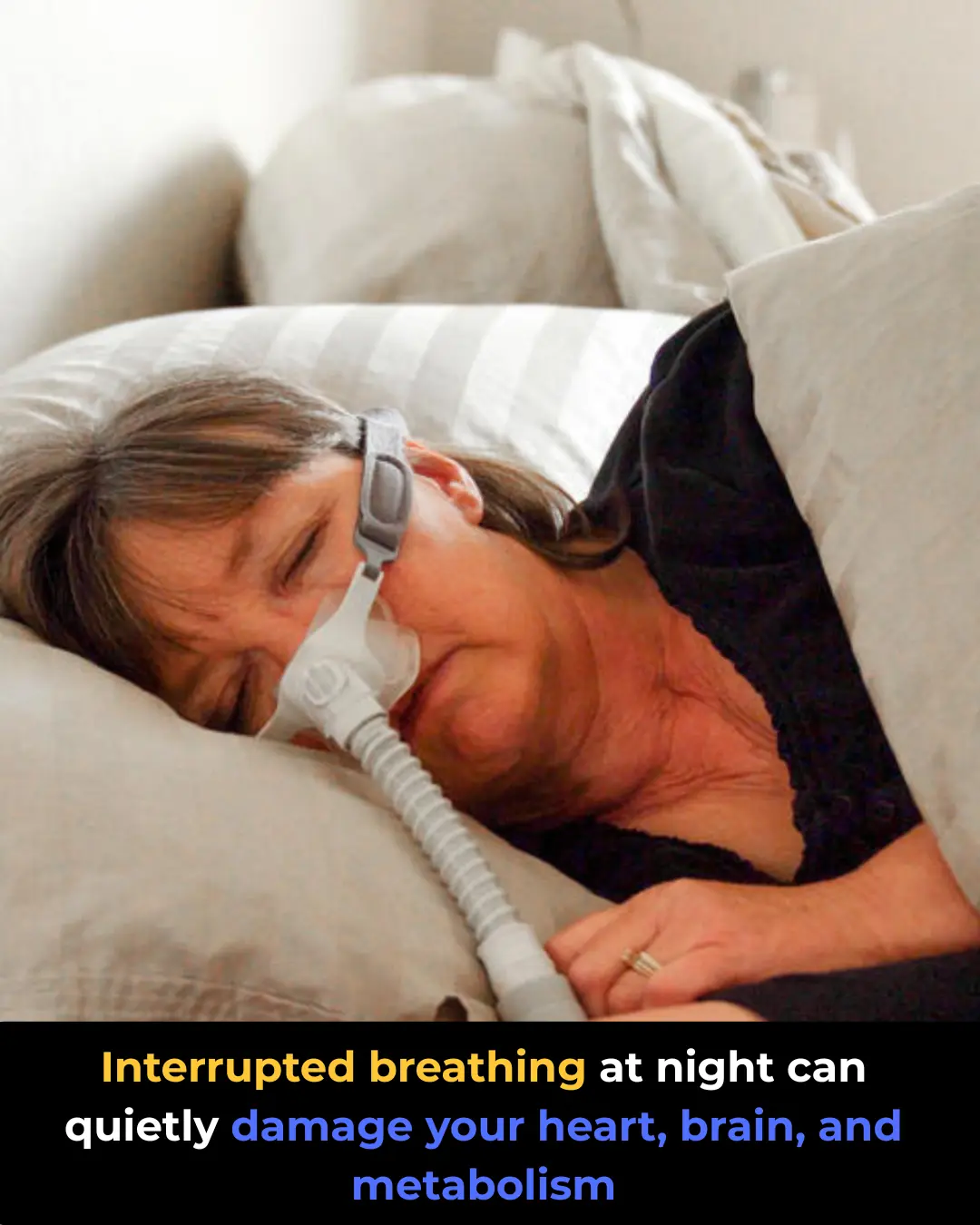
Sleep Apnea: Symptoms, Risks, and Treatment Solutions
Health 16/12/2025 16:52
Always the Strong One: The Emotional Cost of Holding Everything Together
Facts 16/12/2025 16:47
A New Cancer Vaccine Shows Long-Lasting Protection in Preclinical Studies
Facts 16/12/2025 16:41

Viral Pneumonia vs. Bacterial Pneumonia: Key Differences
Health 16/12/2025 16:40

Allergic Rhinitis: What Triggers It and How to Manage It
Health 16/12/2025 16:33

COPD Exacerbation: Symptoms That Indicate a Flare-Up
Health 16/12/2025 16:30

Bile Reflux vs. Acid Reflux: Key Differences You Need to Know
Health 16/12/2025 16:23

Ulcerative Colitis vs. Crohn’s Disease: What Makes Them Different
Health 16/12/2025 16:20

How to lower blood sugar without giving up carbs
Health 16/12/2025 16:08

People Who Should Avoid Eating Kohlrabi (Su Hào), Even If They Really Crave It
News 16/12/2025 16:05

Dip the rice noodles into a bowl of fish sauce; after 2 minutes, you'll know whether the noodles are clean or contain borax.
Tips 16/12/2025 16:04

Dandelion: A “Superfood” Herb with Real Nutrients — What Science Says
News 16/12/2025 16:03