How the Foods You Eat Can Shape Your Mood
Health 11/01/2026 22:49
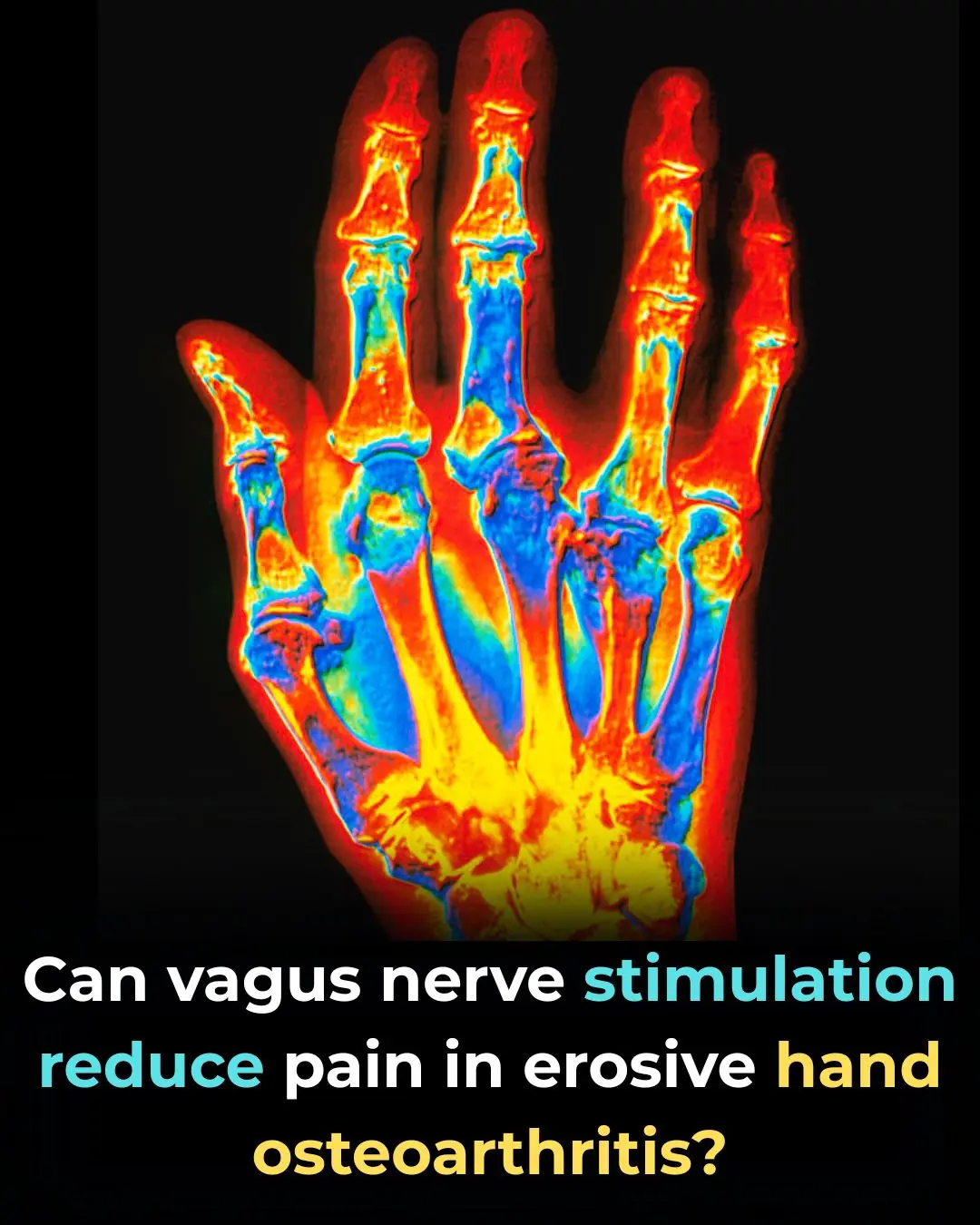
Erosive hand osteoarthritis (EHOA) is a severe and inflammatory subtype of hand osteoarthritis characterized by chronic pain, joint stiffness, swelling, and progressive functional impairment. The condition predominantly affects middle-aged and older adults, especially women, and significantly reduces quality of life. Despite its clinical burden, effective non-pharmacologic and disease-modifying treatments remain limited.
Recently, transcutaneous auricular vagus nerve stimulation (taVNS) has emerged as a novel, noninvasive therapeutic approach aimed at modulating inflammation and pain through the autonomic nervous system. However, its clinical effectiveness in erosive hand osteoarthritis remains under investigation.
The vagus nerve plays a critical role in regulating immune responses and pain perception through the cholinergic anti-inflammatory pathway. Activation of this pathway can suppress the release of proinflammatory cytokines, such as tumor necrosis factor–α (TNF-α) and interleukin-1β (IL-1β), which are implicated in inflammatory joint diseases.
Vagus nerve stimulation has shown therapeutic benefits in conditions such as rheumatoid arthritis, epilepsy, depression, and chronic pain syndromes. The transcutaneous auricular approach targets the auricular branch of the vagus nerve at the ear, offering a safe and noninvasive alternative to implanted devices.
A randomized, controlled clinical trial was conducted over 12 weeks to evaluate the efficacy and safety of taVNS in patients with erosive hand osteoarthritis. Participants were assigned to one of two groups:
Active taVNS
Sham (placebo) stimulation
Primary and secondary outcomes included:
Pain intensity measured by validated pain scales
Hand function and physical performance
Patient global assessment of disease activity
Tolerability and adverse events
At the end of the 12-week treatment period:
taVNS did not result in a statistically significant reduction in pain compared with sham stimulation
Both groups experienced similar levels of pain improvement, suggesting a placebo or nonspecific treatment effect
These findings indicate that taVNS alone may not provide meaningful pain relief in erosive hand osteoarthritis over the short term.
Despite the lack of significant pain reduction, patients receiving active taVNS demonstrated:
Improved hand function
Better patient global assessment scores
These improvements suggest that taVNS may enhance daily hand use and overall disease perception, even in the absence of marked analgesic effects.
Both active and sham stimulation were well tolerated
No serious adverse events were reported
Minor side effects, when present, were transient and primarily related to local discomfort at the stimulation site
This favorable safety profile supports the feasibility of taVNS as a low-risk intervention.
The results suggest that while taVNS may not be effective as a standalone therapy for pain reduction in erosive hand osteoarthritis, it may serve as a useful adjunctive treatment to improve function and patient well-being. Given the multifactorial nature of osteoarthritis, combining taVNS with pharmacologic treatments, physical therapy, or behavioral interventions may offer greater benefits.
Several limitations should be considered:
Short duration of follow-up
Limited sample size
Lack of biomarker or imaging endpoints to assess inflammatory changes
Future studies should explore:
Longer treatment durations
Optimal stimulation parameters
Identification of patient subgroups most likely to benefit
Combined therapeutic strategies
Transcutaneous auricular vagus nerve stimulation did not significantly reduce pain compared with sham stimulation in patients with erosive hand osteoarthritis over 12 weeks. However, it was associated with improvements in hand function and patient-reported assessments and demonstrated an excellent safety profile. While promising as a supportive therapy, further research is needed to define its role in the management of erosive hand osteoarthritis.