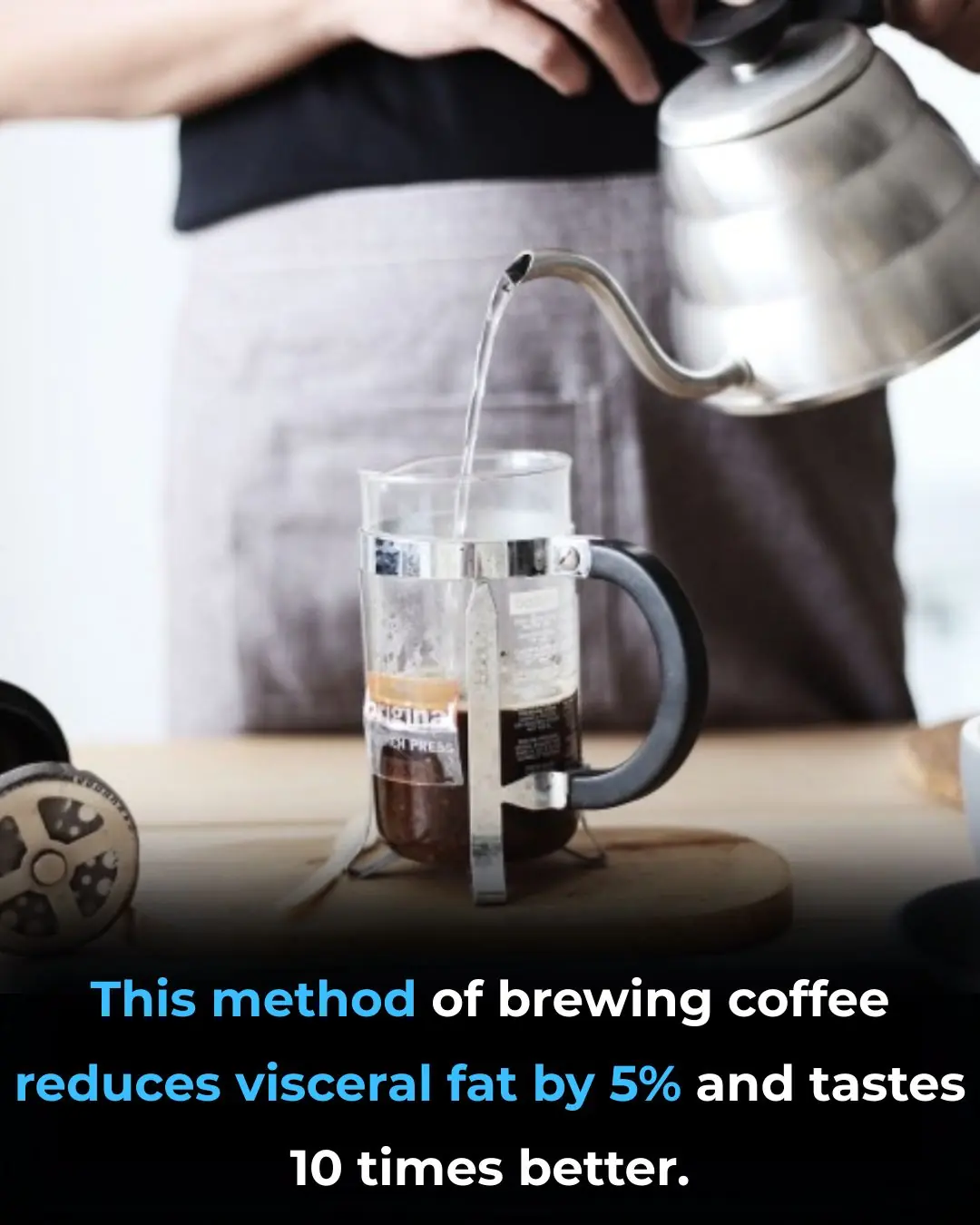
Coffee and Visceral Fat: What the Research Suggests
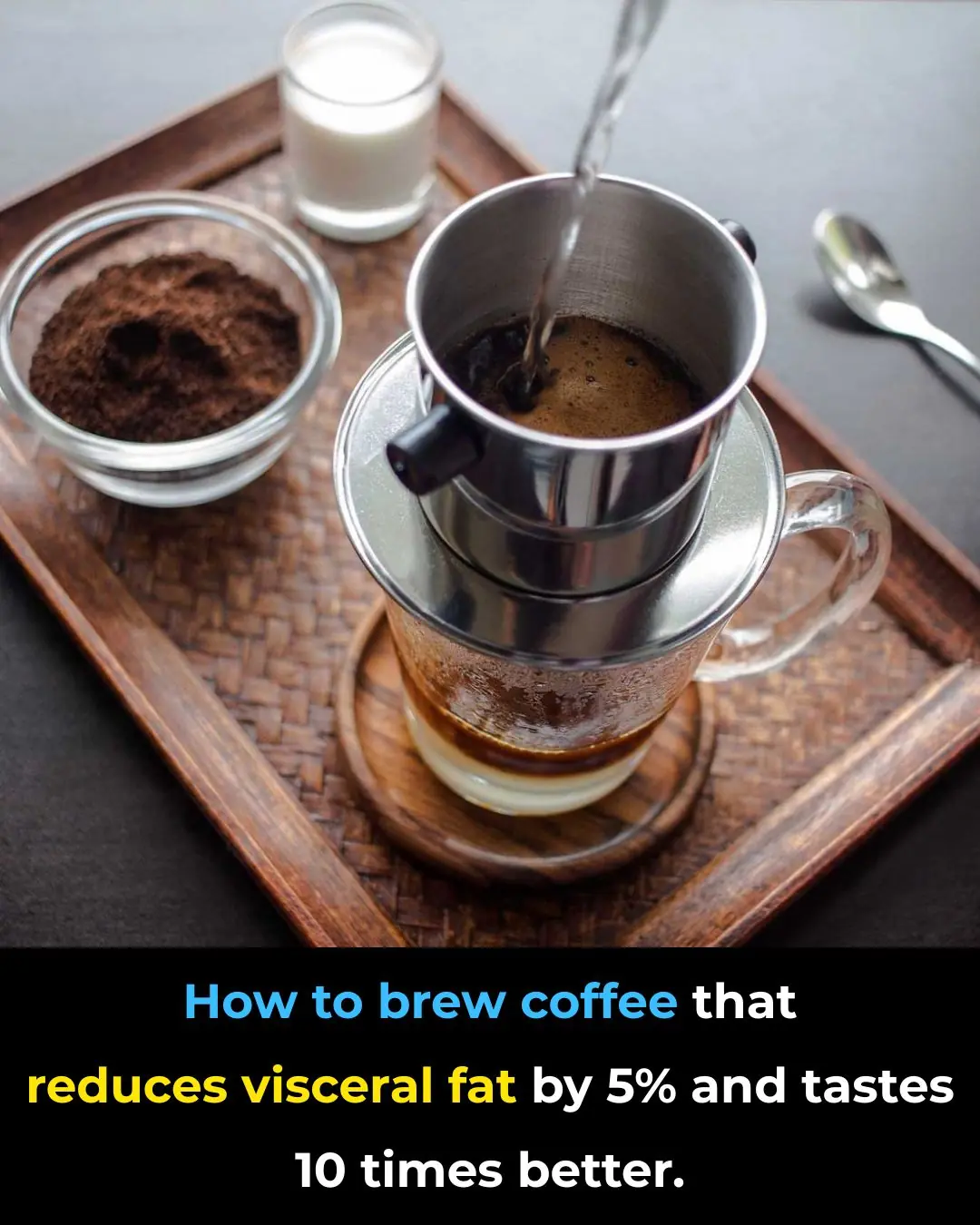
A recent 12-week study published in an MDPI journal examined the effects of cafestol, a naturally occurring compound found in coffee beans. Participants who consumed a small, controlled amount of cafestol daily experienced measurable health improvements, including a reduction of visceral fat by approximately 5% on average.
Notably, these changes occurred without strict dieting or increased exercise. The primary adjustment was the way coffee was prepared—specifically, methods that preserved cafestol.
Cafestol is a fat-soluble compound that is largely removed when coffee is brewed using paper filters. Unfiltered brewing methods, however, retain significantly higher levels.
Brewing Methods That Retain More Cafestol
If the goal is to preserve cafestol, brewing method matters:
-
French Press – Retains most of the natural oils and cafestol
-
Moka Pot – Produces a rich flavor while preserving cafestol
-
Turkish Coffee (Ibrik) – A traditional method with high cafestol content
-
Vietnamese Phin (without paper filters) – Keeps a moderate amount of cafestol
Avoid extremely high brewing temperatures, as excessive heat may damage natural compounds and affect flavor. Drinking coffee slowly and in moderate amounts is also recommended to reduce digestive strain.
How to Drink Coffee for Better Results
Brewing alone is not enough—how and when coffee is consumed also matters:
-
Drink coffee in the morning to support metabolism and alertness
-
Avoid drinking on a completely empty stomach to prevent irritation
-
Drink enough water to offset coffee’s mild diuretic effect
-
Limit added sugar, sweeteners, and condensed milk to avoid excess calories
Benefits and Risks: Knowing the Limits
Research indicates that around 6 mg of cafestol per day is generally safe and does not significantly raise cholesterol levels. However, long-term intake above 10 mg per day may increase LDL (“bad”) cholesterol, potentially raising cardiovascular risk.
People with high cholesterol, heart disease, or fatty liver disease should be cautious and consult a healthcare professional before adopting unfiltered coffee as a daily habit. Regular lipid profile monitoring is advisable if this approach is followed long-term.
Coffee Is Not a Miracle Solution
While cafestol shows promise, coffee alone is not a cure-all. Sustainable fat reduction requires a balanced lifestyle:
-
A nutritious diet rich in protein and fiber
-
Regular physical activity, such as brisk walking or light strength training
-
Adequate sleep (7–8 hours per night) to support hormone balance
Coffee can act as a supportive factor, but it works best alongside healthy habits.
Practical Takeaway
This research highlights an important point: small, practical changes in daily habits can lead to meaningful health benefits. By choosing unfiltered brewing methods and consuming coffee in moderation, coffee lovers may enjoy both a richer flavor and potential metabolic advantages.
Ultimately, the key lies in balance—moderate intake, appropriate brewing methods, and a healthy lifestyle. When used wisely, coffee can be more than just a beverage; it can be part of a long-term approach to better health.