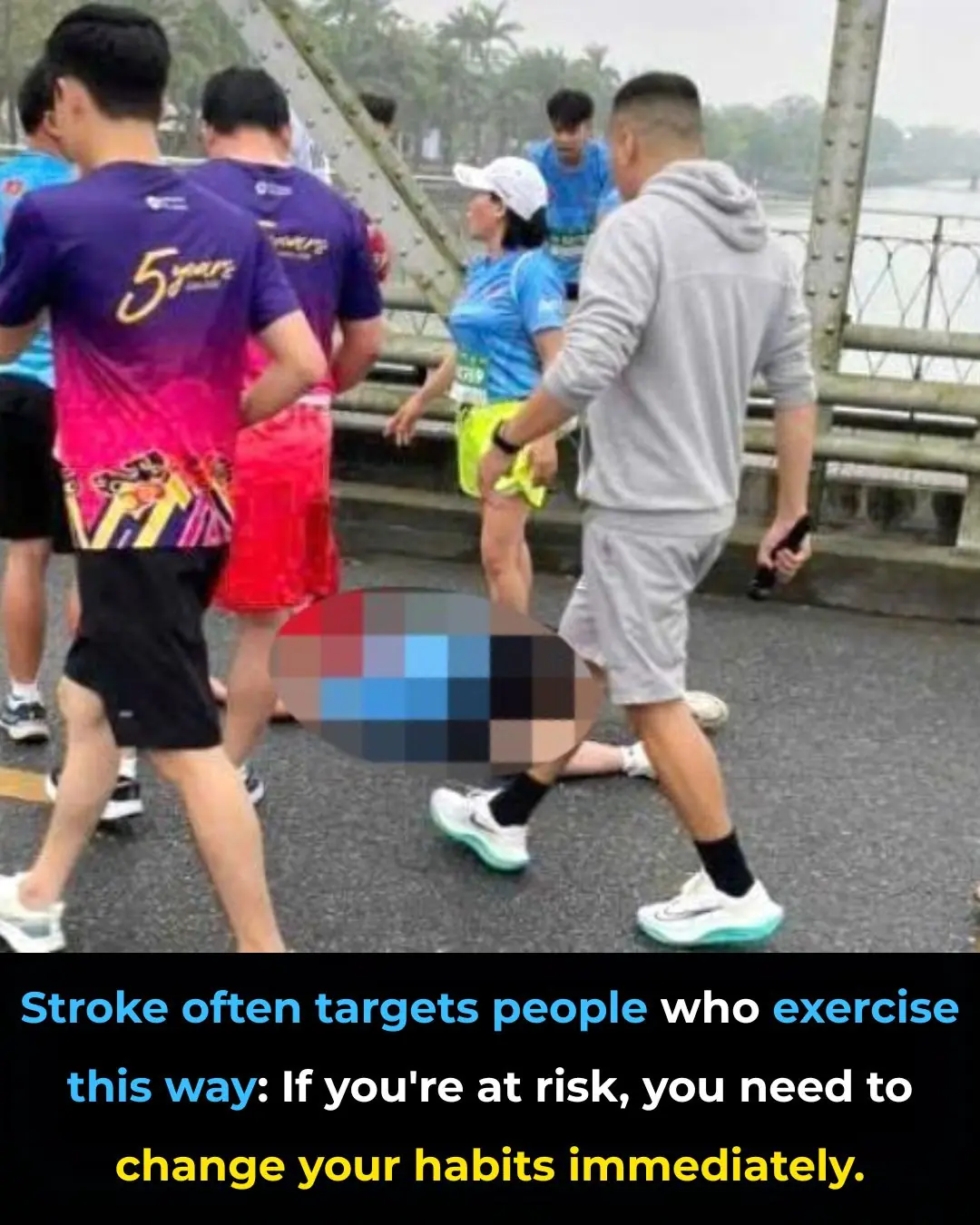
Certain Exercise Habits May Increase the Risk of Stroke — Changes Are Needed If You Have Them

Exercise is an essential part of a healthy lifestyle, helping to improve overall health and quality of life. However, when performed incorrectly, some exercise habits can unintentionally turn a beneficial activity into a serious health risk. In certain cases, these habits may even increase the likelihood of stroke — a medical emergency that can be fatal if not treated promptly.
Skipping Warm-Up Exercises
Warming up before exercise is critically important. It allows the body to gradually adapt to physical activity, increases blood flow to the muscles, and reduces the risk of injury. Failing to warm up properly can cause sudden stress on the cardiovascular system, especially in people with underlying conditions such as high blood pressure or heart disease. Abrupt changes in heart rate and blood pressure may significantly raise the risk of stroke.
Overtraining or Exercising Beyond Physical Limits
Pushing the body beyond its capacity can lead to extreme fatigue, dehydration, and heart rhythm disturbances. Excessive exercise, particularly in hot or harsh weather conditions, places enormous strain on the heart and circulatory system. Health experts warn that overexertion can trigger stroke, even in young and otherwise healthy individuals.
Inadequate Hydration
Dehydration reduces blood volume and increases blood viscosity, forcing the heart to work harder to circulate blood. Not drinking enough water before, during, and after exercise can also cause electrolyte imbalances. These factors together may increase blood pressure and elevate the risk of stroke.
Showering Immediately After Exercise

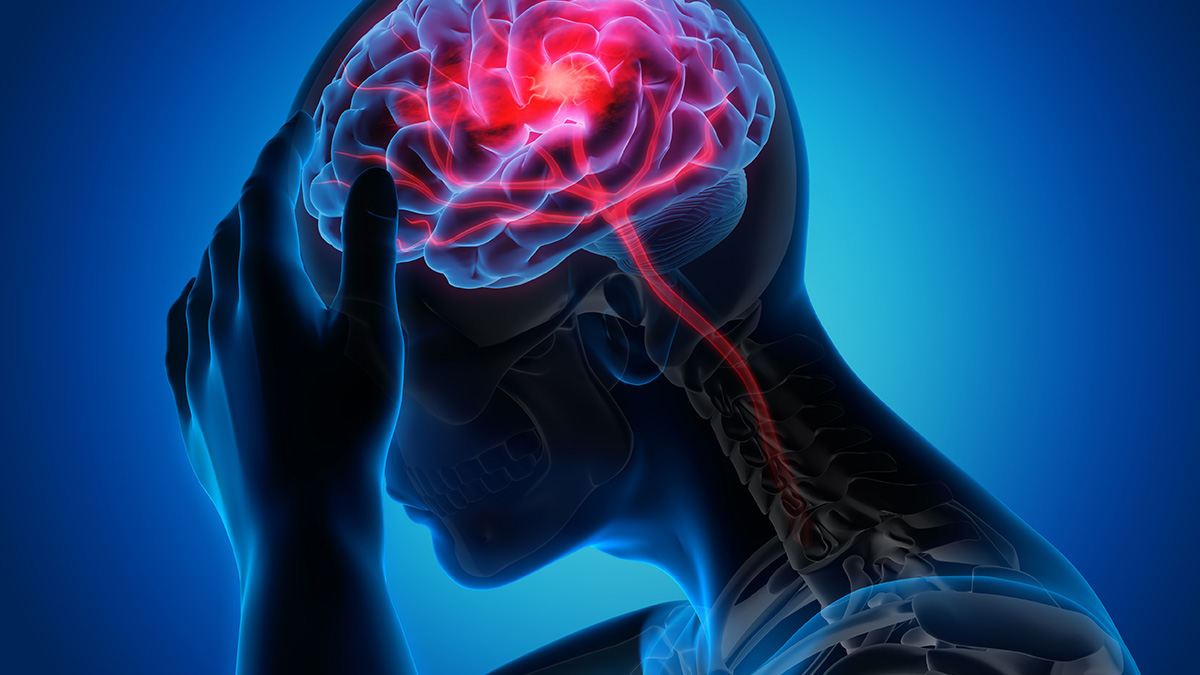
After intense physical activity, the body needs time to stabilize its temperature and blood pressure. Taking a shower immediately — especially with cold water — can cause sudden blood vessel constriction. This rapid vascular response may lead to sharp increases in blood pressure and increase the risk of stroke. It is generally recommended to rest for at least 15–30 minutes after exercising before showering.
Ignoring Warning Signs During Exercise
Symptoms such as dizziness, headaches, numbness in the arms or legs, irregular heartbeat, chest discomfort, or shortness of breath during exercise should never be ignored. These may be early warning signs of serious cardiovascular problems, including stroke. Anyone experiencing such symptoms should stop exercising immediately and seek medical attention if necessary.
Conclusion
Exercise offers numerous health benefits, but only when performed correctly and safely. Recognizing and correcting harmful exercise habits is a crucial step in protecting yourself from stroke and other serious health complications. Listening to your body, respecting your limits, and adopting safe training practices will help you enjoy the full benefits of physical activity while minimizing unnecessary risks.
News in the same category


What Causes a Shart?

10 Foods To Eat for a Stronger Immune System

Foodborne Pathways of Urinary Tract Infections: The Emerging Role of Meat Consumption

Top 10 Superfoods That Fight Proteinuria and Give Your Kidneys New Life – Starting in as Little as 7 Days

These 10 Foods May Support Cellular Health: What Research Suggests About Natural Antioxidant Power!

9 Urgent Warning Signs Your Body Is Sending – Ignoring These Could Be Dangerous!

Joint Pain? The Ultimate Guide to Rebuilding Your Joints Naturally: 8 Powerful Fruits You Must Know!

Over 60? 10 Early Dementia Warning Signs You Must NEVER Ignore (Catch Them Before It’s Too Late)

These are the consequences of wearing used…

What Happens to Your Body When You Eat Honey Every Day

What Happens to Your Body When You Eat Spinach Regularly

Daily Aloe Vera Juice Consumption and Improved Thyroid Function in Women with Subclinical Hashimoto’s Hypothyroidism

The Gut–Brain Connection: How Digestive Health Influences Mood and Mental Well-Being

A Complete Guide to Breast Cancer Prevention

What Can Happen When Women Lack Sexual Intimacy?

Tapering Antidepressants: What Strategy Works Best?

The Brainstem and Pain: New Research, New Understanding

Could a Simple Bedtime Drink with Three Common Ingredients Support Your Heart Health?
News Post

U.S. Health Officials Warn After Revealing the Most Dangerous Objects Removed From the Human Body

Blueberries 101: Nutrition, Health Benefits, Recipes, and More

10 Essential Steps to Follow When Checking Into a Hotel Room

Multiple people dead after explosion at Swiss Alps resort bar during New Year's celebrations

Most contagious disease in the world reported at two major US airports

What Causes a Shart?

10 Foods To Eat for a Stronger Immune System

Foodborne Pathways of Urinary Tract Infections: The Emerging Role of Meat Consumption

Top 10 Superfoods That Fight Proteinuria and Give Your Kidneys New Life – Starting in as Little as 7 Days

These 10 Foods May Support Cellular Health: What Research Suggests About Natural Antioxidant Power!

9 Urgent Warning Signs Your Body Is Sending – Ignoring These Could Be Dangerous!

Joint Pain? The Ultimate Guide to Rebuilding Your Joints Naturally: 8 Powerful Fruits You Must Know!

Over 60? 10 Early Dementia Warning Signs You Must NEVER Ignore (Catch Them Before It’s Too Late)

Top 3 Nutrients Seniors Need to Stop Leg Cramps and Restore Strength: Reclaim Your Steady Steps Today!

12 Surprising Potential Benefits of Moringa Seeds You Might Not Hear About – But Research Suggests They’re Worth Knowing!

Discover the Timeless Secret of a 95-Year-Old Chinese Doctor: How He Stays Vibrant and Healthy

Urgent Advisory for New Smart Device Users: What You Need to Know About Privacy and Security

Urgent Warnings Over Smart Devices: What New Owners Need to Know About Privacy and Security