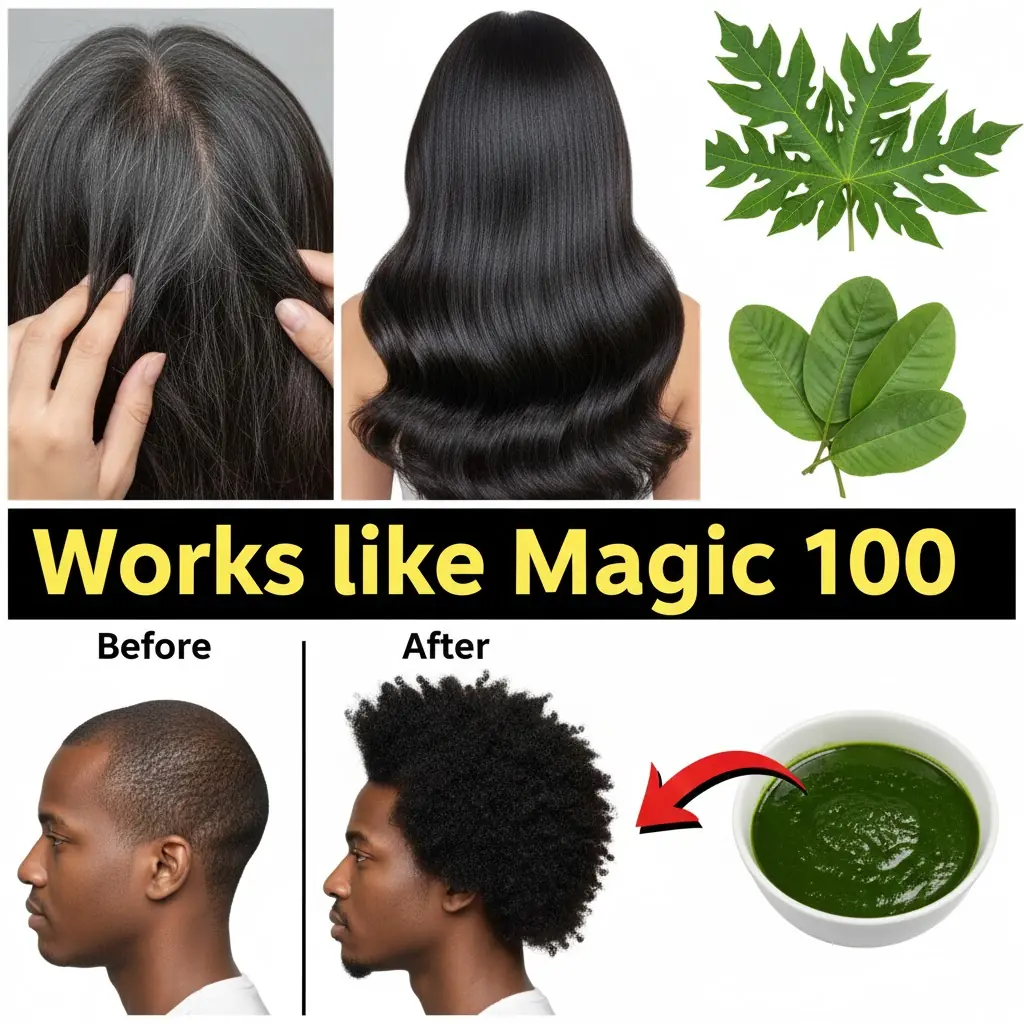
Crush Papaya Leaves Every Night – Your White Hair May Start Turning Dark and Growing Like Crazy by Morning
Garden Healthy 05/01/2026 21:09
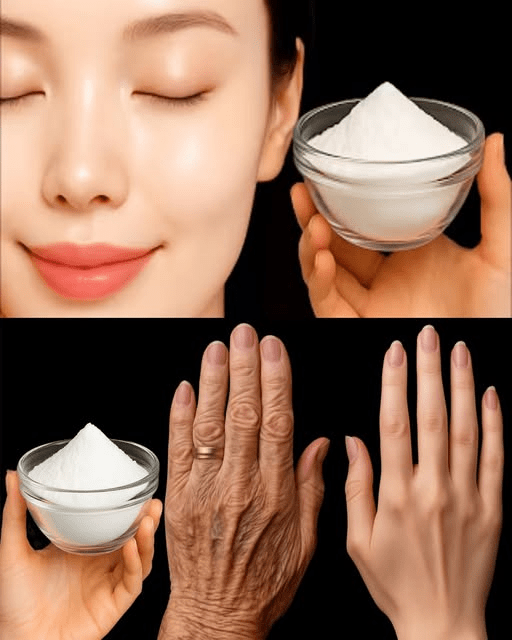
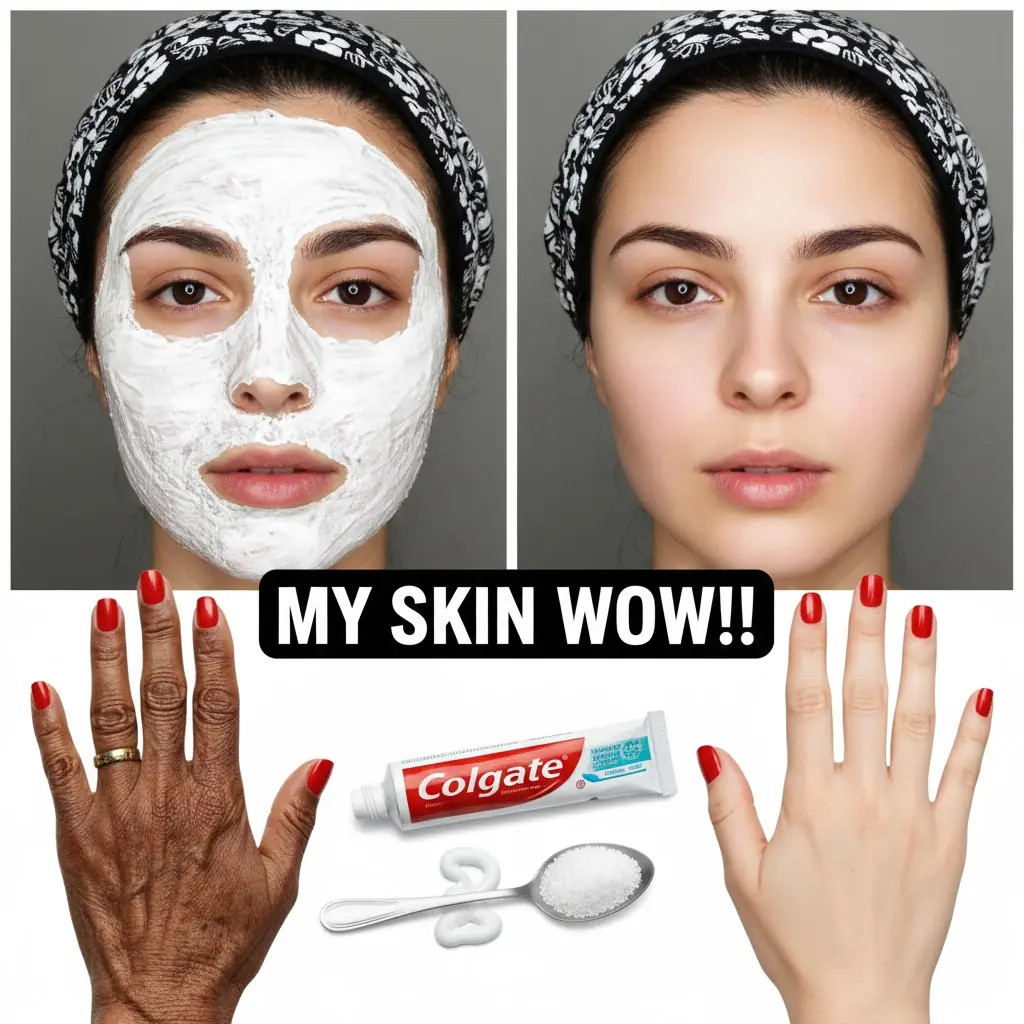
As skin ages, it naturally undergoes structural and functional changes. Collagen and elastin production decline, cell turnover slows, and the skin barrier becomes more fragile. These processes often lead to increased dryness, uneven texture, fine lines, and dull appearance—concerns commonly reported by adults over 60. In response, many individuals explore inexpensive, at-home remedies, including baking soda (sodium bicarbonate), which has recently gained attention in online skincare discussions.
Baking soda is a white crystalline powder with mild abrasive properties and an alkaline pH (approximately 8.3). It has long been used in oral hygiene and household cleaning, but its application on facial skin remains controversial. Understanding what baking soda can—and cannot—do for aging skin requires a careful look at dermatological science.
One reason baking soda may appear to “work” is its mechanical exfoliating action. When applied gently and briefly, its fine particles can help remove surface dead skin cells. Dermatological research shows that superficial exfoliation can temporarily improve skin smoothness and light reflection, making fine lines appear less visible (Draelos, 2018, Journal of Cosmetic Dermatology). This effect is cosmetic and short-lived; it does not alter deeper skin structures or reverse aging.
Additionally, removing surface debris may allow moisturizers to penetrate more effectively. Improved hydration alone can soften the appearance of fine lines, particularly in mature skin where dryness exaggerates wrinkles (Rawlings & Harding, 2004, International Journal of Cosmetic Science).
Despite these temporary benefits, baking soda presents notable risks. Healthy human skin maintains a slightly acidic surface pH (around 4.5–5.5), which is essential for barrier integrity, microbial balance, and enzyme function. Studies show that alkaline substances disrupt this acid mantle, leading to increased transepidermal water loss, irritation, and vulnerability to inflammation (Lambers et al., 2006, International Journal of Cosmetic Science).
Research demonstrates that repeated exposure to alkaline agents can impair barrier recovery, especially in older adults whose skin already regenerates more slowly (Fluhr et al., 2004, British Journal of Dermatology). This explains why some users experience tightness, redness, or dryness after baking soda application.
There is currently no scientific evidence supporting claims that baking soda reduces wrinkles, stimulates collagen, or rejuvenates aging skin. Wrinkle formation occurs primarily in the dermis due to collagen loss, UV damage, and oxidative stress—processes unaffected by topical sodium bicarbonate (Farage et al., 2008, Journal of the American Academy of Dermatology).
Any perceived “line softening” is most likely due to surface exfoliation and short-term hydration changes rather than structural improvement.
Older skin is thinner, drier, and more prone to irritation. Dermatologists caution that abrasive scrubs and alkaline products may worsen conditions such as eczema, rosacea, or chronic dryness. The American Academy of Dermatology advises avoiding harsh physical exfoliants, particularly for aging or sensitive skin (American Academy of Dermatology Association).
Clinical research consistently supports gentler, well-formulated skincare approaches for aging skin, including:
Daily broad-spectrum sunscreen to prevent further photoaging (Green et al., 2011, Journal of the American Academy of Dermatology)
Moisturizers containing ceramides and humectants to support barrier function
Topical antioxidants such as vitamin C for pigmentation and photodamage
Retinoids for long-term improvement in fine lines and texture
These methods have significantly stronger evidence for safety and effectiveness than home remedies involving baking soda.
Baking soda may temporarily smooth skin texture through superficial exfoliation, which can momentarily reduce the visibility of fine lines. However, scientific evidence does not support claims of wrinkle reduction or skin rejuvenation. More importantly, its alkaline nature poses real risks to the skin barrier, particularly in older adults.
For individuals over 70, maintaining skin health is best achieved through gentle cleansing, consistent moisturization, sun protection, and evidence-based active ingredients. While curiosity about natural remedies is understandable, skincare decisions should prioritize long-term skin integrity over short-lived cosmetic effects.
Scientific references:
Draelos, Z. D. (2018). Journal of Cosmetic Dermatology
Rawlings, A. V., & Harding, C. R. (2004). International Journal of Cosmetic Science
Lambers, H. et al. (2006). International Journal of Cosmetic Science
Fluhr, J. W. et al. (2004). British Journal of Dermatology
Farage, M. A. et al. (2008). Journal of the American Academy of Dermatology
American Academy of Dermatology Association