Crush Papaya Leaves Every Night – Your White Hair May Start Turning Dark and Growing Like Crazy by Morning
Garden Healthy 05/01/2026 21:09
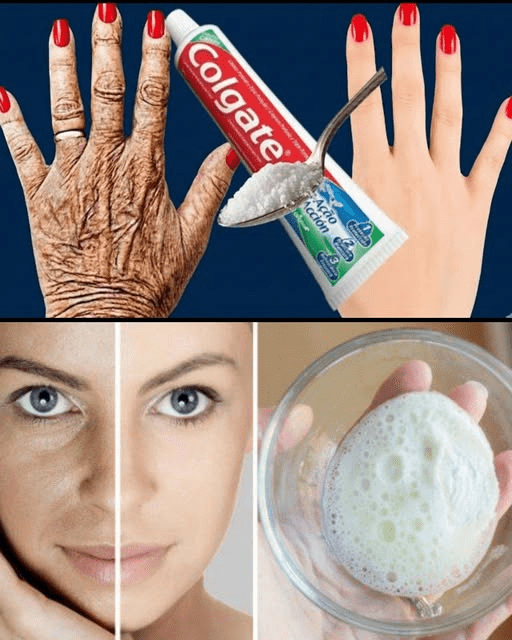
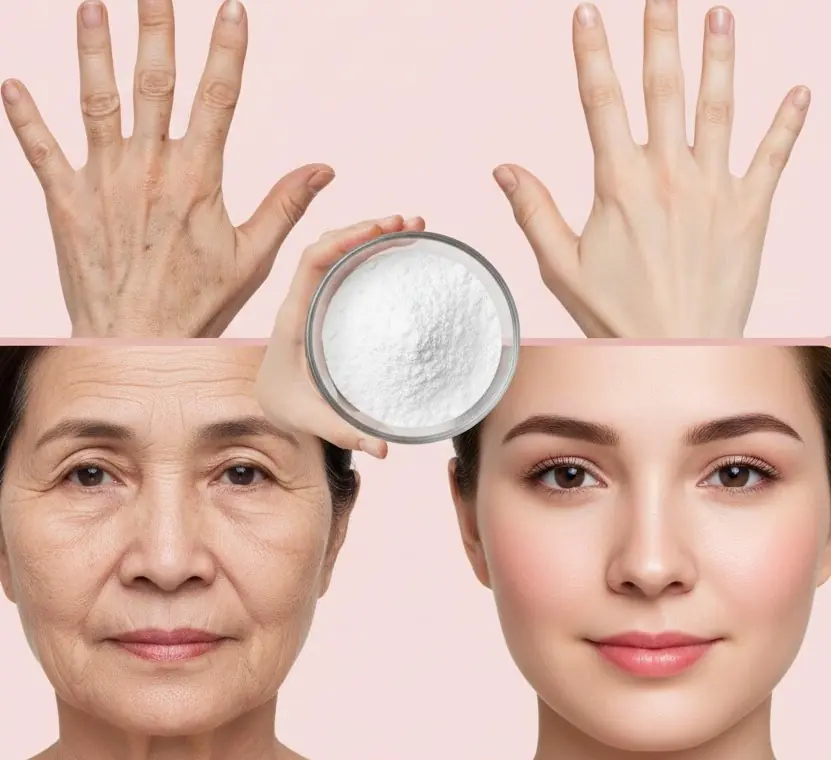
In recent years, social media platforms have popularized numerous “do-it-yourself” skincare hacks, many of which promote the use of household items such as toothpaste or baking soda to reduce wrinkles and dark spots. While these claims may appear appealing due to their simplicity and low cost, dermatological research consistently warns that such practices can be ineffective and potentially harmful. Understanding why these methods fail—and what science supports instead—is essential for maintaining healthy, aging skin.
Toothpaste is formulated specifically for oral hygiene. It commonly contains abrasives, fluoride, menthol, and detergents designed to remove plaque and bacteria from teeth. When applied to facial skin, these ingredients can disrupt the skin’s protective barrier, leading to dryness, irritation, redness, and even chemical burns in sensitive individuals. Dermatologists emphasize that toothpaste lacks any proven benefit for treating wrinkles or hyperpigmentation (bold: American Academy of Dermatology).
Similarly, baking soda (sodium bicarbonate) poses risks due to its highly alkaline pH, which typically ranges from 8 to 9. Healthy facial skin maintains a slightly acidic pH of approximately 4.5–5.5. Applying alkaline substances can disturb this balance, weaken the skin barrier, and increase vulnerability to irritation and microbial imbalance. Research confirms that frequent exposure to high-pH substances accelerates moisture loss and inflammation (bold: International Journal of Cosmetic Science, 2018).
Wrinkles and dark spots are primarily caused by ultraviolet (UV) radiation, oxidative stress, and the natural decline of collagen with age. According to bold: the American Academy of Dermatology, daily sun exposure is the leading external factor contributing to premature skin aging and hyperpigmentation.
One of the most effective and well-supported strategies for preventing wrinkles and dark spots is the consistent use of broad-spectrum sunscreen. Clinical studies show that regular sunscreen application significantly reduces photoaging and prevents the formation of new pigmentation (bold: Annals of Internal Medicine, 2013).
Hydration is another foundational element of skin health. Both internal hydration (adequate water intake) and external moisturization help maintain skin elasticity and reduce the appearance of fine lines. Well-hydrated skin reflects light more evenly, giving it a smoother, healthier appearance.
Several gentle, well-researched ingredients offer safer and more effective support for aging skin:
Vitamin C: Topical vitamin C has been shown to improve pigmentation, support collagen synthesis, and provide antioxidant protection (bold: Journal of Clinical and Aesthetic Dermatology, 2017).
Niacinamide (Vitamin B3): Research demonstrates its ability to improve skin barrier function, reduce discoloration, and enhance overall skin tone (bold: British Journal of Dermatology, 2014).
Retinoids: When introduced gradually, retinoids promote cell turnover and have strong evidence supporting wrinkle reduction (bold: Archives of Dermatology, 2007).
Importantly, these ingredients require consistent, long-term use. Unlike viral “quick fixes,” their benefits accumulate gradually and safely.
While toothpaste and baking soda may seem like convenient skincare shortcuts, scientific evidence shows they pose unnecessary risks without offering proven benefits for wrinkles or dark spots. In contrast, gentle routines built around sun protection, hydration, antioxidants, and clinically supported ingredients provide meaningful, sustainable improvements in skin appearance. Patience, consistency, and evidence-based care remain the most reliable path to healthier, more resilient skin.
Disclaimer: This article is for educational purposes only and does not substitute professional medical advice. Individuals with sensitive skin or dermatological conditions should consult a qualified healthcare professional or dermatologist before starting new skincare routines.