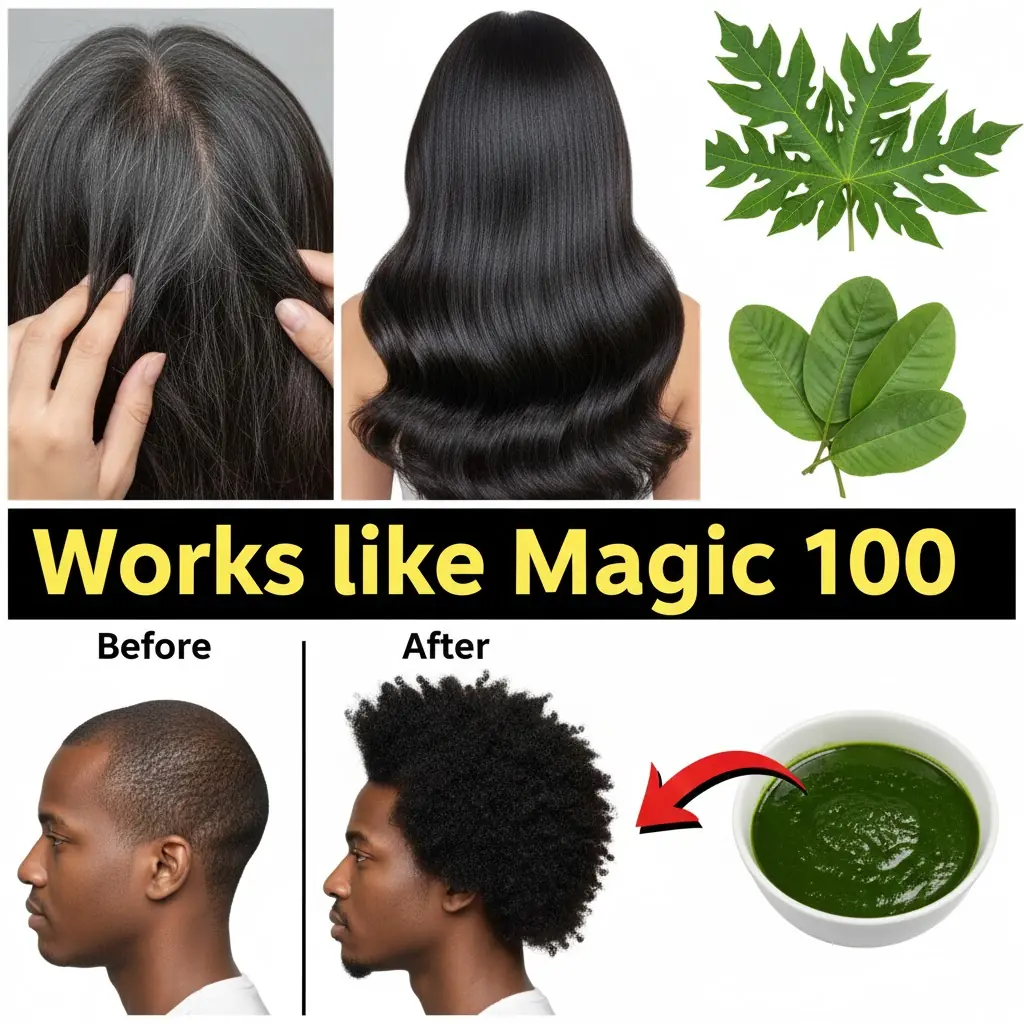
Crush Papaya Leaves Every Night – Your White Hair May Start Turning Dark and Growing Like Crazy by Morning
Garden Healthy 05/01/2026 21:09
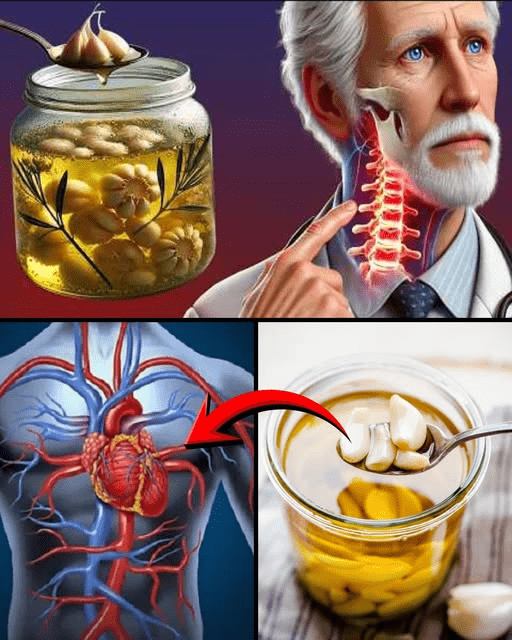
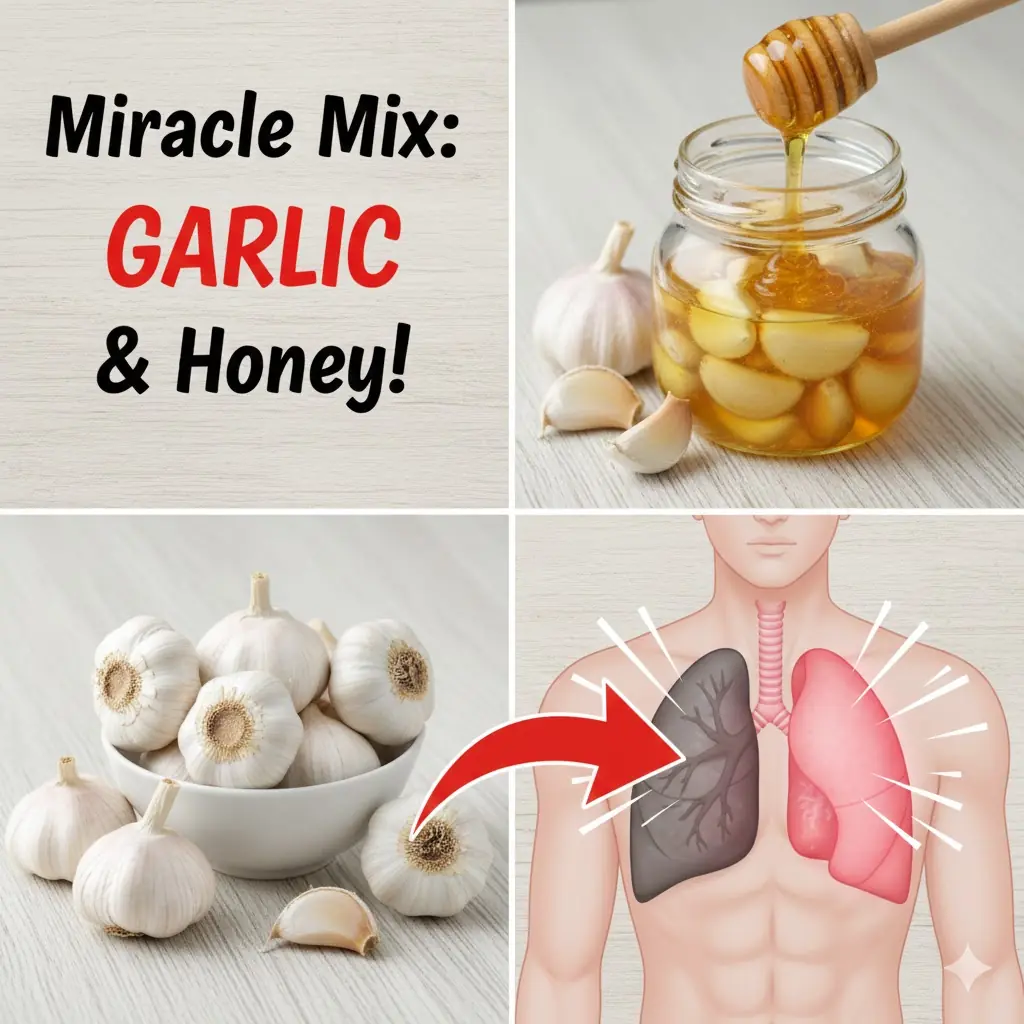
As adults enter their 50s and beyond, physiological changes become more noticeable. Metabolic rate slows, inflammation tends to increase, and the risk of cardiovascular disease rises. These shifts have led many to re-evaluate daily dietary habits, particularly those rooted in long-standing traditions such as the Mediterranean diet. One combination frequently discussed is garlic consumed with extra virgin olive oil.
While often promoted in popular media as a powerful or even “irreversible” health solution, the real effects of this pairing are better understood when viewed through scientific evidence rather than hype.
Garlic (Allium sativum) contains sulfur-based compounds, most notably allicin, which forms when garlic is crushed or chopped. Laboratory and clinical studies associate allicin with antioxidant, antimicrobial, and modest blood-pressure-lowering effects.
Extra virgin olive oil (EVOO) is rich in monounsaturated fatty acids, particularly oleic acid, as well as polyphenols such as hydroxytyrosol and oleocanthal. These compounds are linked to reduced oxidative stress and inflammation, especially in older adults.
When consumed together, olive oil may enhance the bioavailability of garlic’s fat-soluble compounds, potentially improving their absorption.
Cardiovascular risk increases with age due to changes in vascular elasticity, lipid metabolism, and inflammatory markers. Multiple population studies associate olive oil–rich diets with improved cholesterol profiles and lower rates of heart disease (Estruch et al., 2018, New England Journal of Medicine).
Garlic supplementation has shown modest reductions in systolic blood pressure and LDL cholesterol in some clinical trials, though results vary (Ried et al., 2016, Journal of Nutrition). The combination may therefore support heart health as part of an overall balanced diet, but it does not replace medical treatment or lifestyle interventions such as exercise.
Chronic low-grade inflammation contributes to joint stiffness and discomfort in later life. Olive oil’s oleocanthal exhibits anti-inflammatory activity comparable in mechanism (though not strength) to non-steroidal anti-inflammatory drugs (Beauchamp et al., 2005, Nature).
Garlic’s organosulfur compounds have also demonstrated anti-inflammatory effects in experimental studies. Together, these foods may support general comfort, although evidence does not support claims of reversing joint degeneration.
Aging is associated with immunosenescence—a gradual decline in immune responsiveness. Garlic has been studied for its immune-modulating effects, particularly in reducing the duration and severity of common colds (Nantz et al., 2012, Clinical Nutrition).
Olive oil polyphenols contribute antioxidant protection, which may help reduce cellular damage associated with aging. These benefits are supportive rather than curative and depend on consistent dietary patterns.
Olive oil stimulates bile production and supports fat digestion, while garlic may influence gut microbiota composition. Some individuals report improved digestive comfort, though others experience irritation from raw garlic. Tolerance varies significantly.
There is no scientific evidence that garlic with olive oil causes “irreversible” changes in the body. Aging-related conditions are multifactorial and influenced by genetics, overall diet, physical activity, sleep, and medical care. This combination should be viewed as a supportive dietary habit, not a permanent biological transformation.
For most healthy adults, moderate intake is considered safe:
1–2 crushed garlic cloves per day
1–2 tablespoons extra virgin olive oil
Consumed with meals to reduce gastric irritation
Individuals taking blood-thinning medications, preparing for surgery, or managing digestive conditions should consult a healthcare professional.
Garlic combined with extra virgin olive oil aligns well with dietary patterns associated with healthy aging, particularly for cardiovascular and inflammatory support. While the benefits may feel meaningful and lasting when practiced consistently, they are gradual and supportive, not irreversible.
For adults over 50, this pairing can be a valuable component of a balanced diet—but it works best alongside evidence-based lifestyle choices and appropriate medical care.
Scientific references:
Estruch, R. et al. (2018). New England Journal of Medicine
Ried, K. et al. (2016). Journal of Nutrition
Beauchamp, G. K. et al. (2005). Nature
Nantz, M. P. et al. (2012). Clinical Nutrition