Early Menopause …Signs, Risks, and What You Can Do
Menopause is usually defined as the point when a person hasn’t had a menstrual period for 12 consecutive months, typically occurring around age 51. Early menopause happens before age 45, and if it occurs before 40, it’s often called premature menopause.
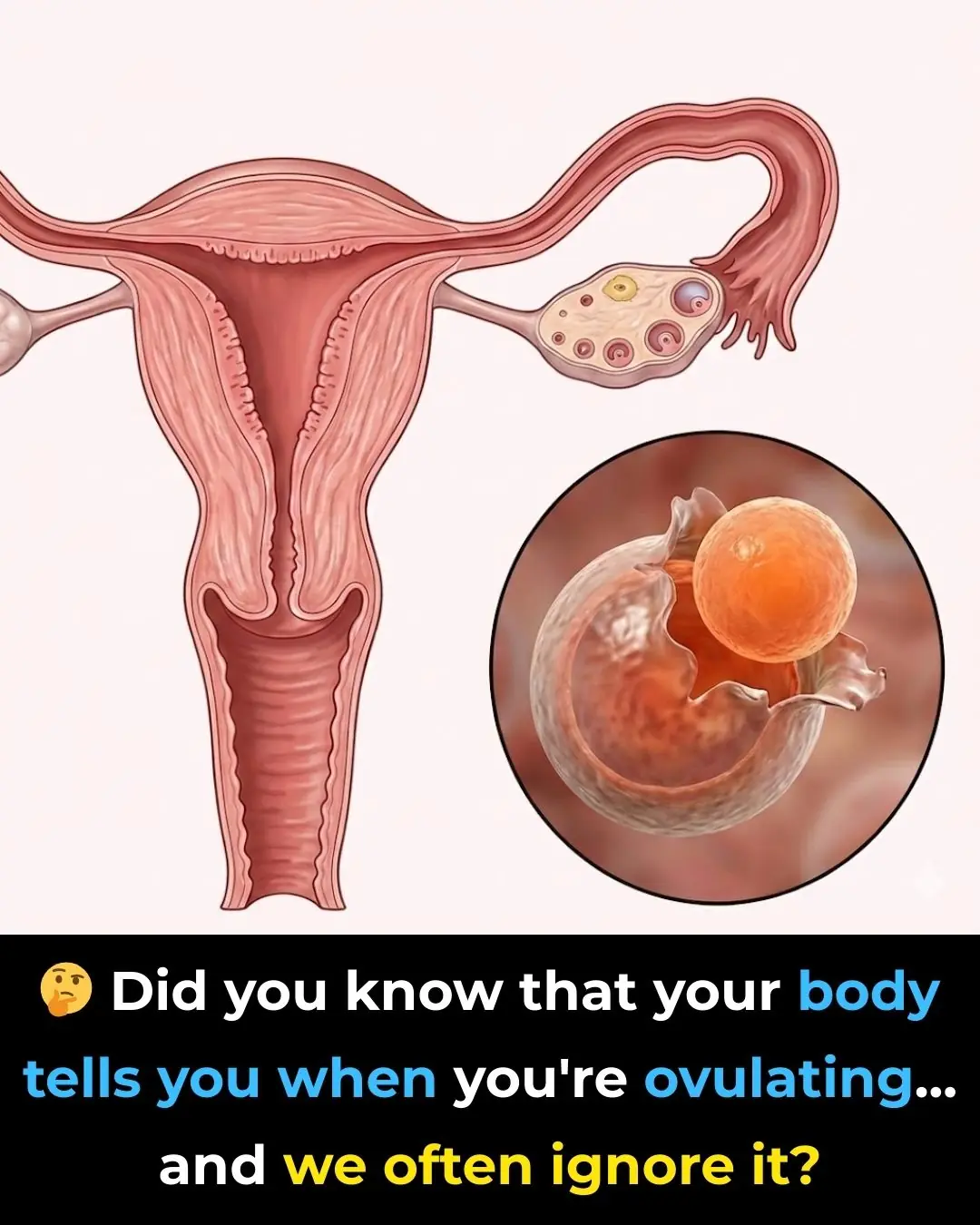
When the ovaries stop producing their usual levels of hormones like estrogen sooner than expected, physical and emotional changes begin earlier. Recognizing this transition early is important because the health impacts—such as bone loss or cardiovascular risks—can be more significant than menopause at the typical age.
Recognizing the First Signs
One of the earliest indicators of early menopause is a change in menstrual patterns. Periods may become irregular—shorter, longer, heavier, or lighter than usual. You might notice spotting between cycles or occasionally skipping a month, all before periods stop completely.
Because these changes can also be caused by other conditions, keeping track of your cycle and discussing any changes with a healthcare provider is essential.
Ten Common Signs of Early Menopause
- Irregular or missed periods – often the first sign that hormones are shifting.
- Hot flashes and night sweats – sudden waves of heat, often accompanied by sweating, particularly at night.
- Sleep disruption – difficulty falling or staying asleep, often worsened by night sweats.
- Vaginal dryness or discomfort – estrogen loss can thin vaginal tissue, causing dryness, itching, or pain during sex.
- Lower sex drive – hormonal changes may reduce libido or affect sexual response.
- Mood swings, anxiety, or low mood – emotional shifts can become more pronounced.
- Difficulty concentrating or “brain fog” – struggles with memory, focus, or word recall may occur.
- Changes in bladder or urinary function – urinary urgency, leakage when laughing or sneezing, or recurring infections.
- Body changes – weight gain (especially around the waist), thinner or drier skin and hair, and joint or muscle aches.
- Increased long-term health risks – including higher chances of osteoporosis and heart disease if hormone loss happens early.
Why Early Menopause Matters
When menopause occurs earlier than expected, the drop in estrogen and other hormones happens sooner than the body anticipates. This can increase the risk of bone loss, cardiovascular issues, and emotional challenges. Early menopause also affects fertility, which may be a concern if you were planning children.
Because of these factors, early recognition and appropriate care are crucial.
What You Can Do
If you suspect early menopause:
- Consult a healthcare provider – They can perform hormone tests, review your symptoms and menstrual history, and check for factors like surgery or chemotherapy that might trigger early menopause.
- Consider treatment options – Depending on your health and risk profile, options may include hormone replacement therapy (HRT) or non-hormonal alternatives.
- Adopt healthy lifestyle habits – A balanced diet, regular exercise (especially weight-bearing and strength training), good sleep routines, and stress management can all help manage symptoms and protect long-term health.
- Seek emotional support – Early menopause can bring grief, anxiety about fertility, or body image concerns. Counseling, support groups, or open conversations with understanding friends can be helpful.
Looking Ahead with Confidence
Early menopause can feel overwhelming, but it’s manageable. With awareness, medical support, and healthy habits, you can alleviate symptoms, safeguard your long-term health, and approach this phase with resilience. While the timing may seem unfair, it can also mark a new chapter—one where you take control of your wellbeing and move forward with confidence.