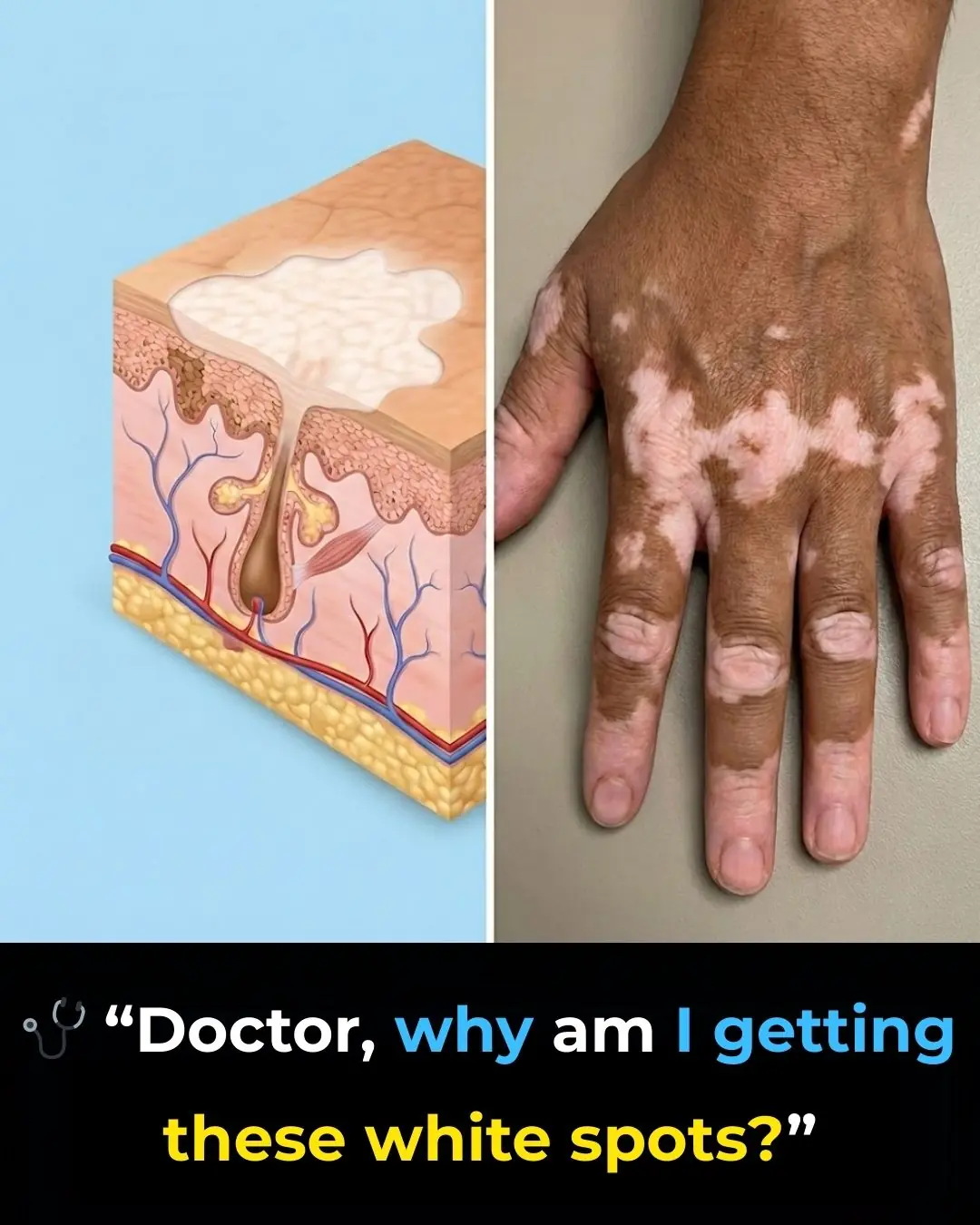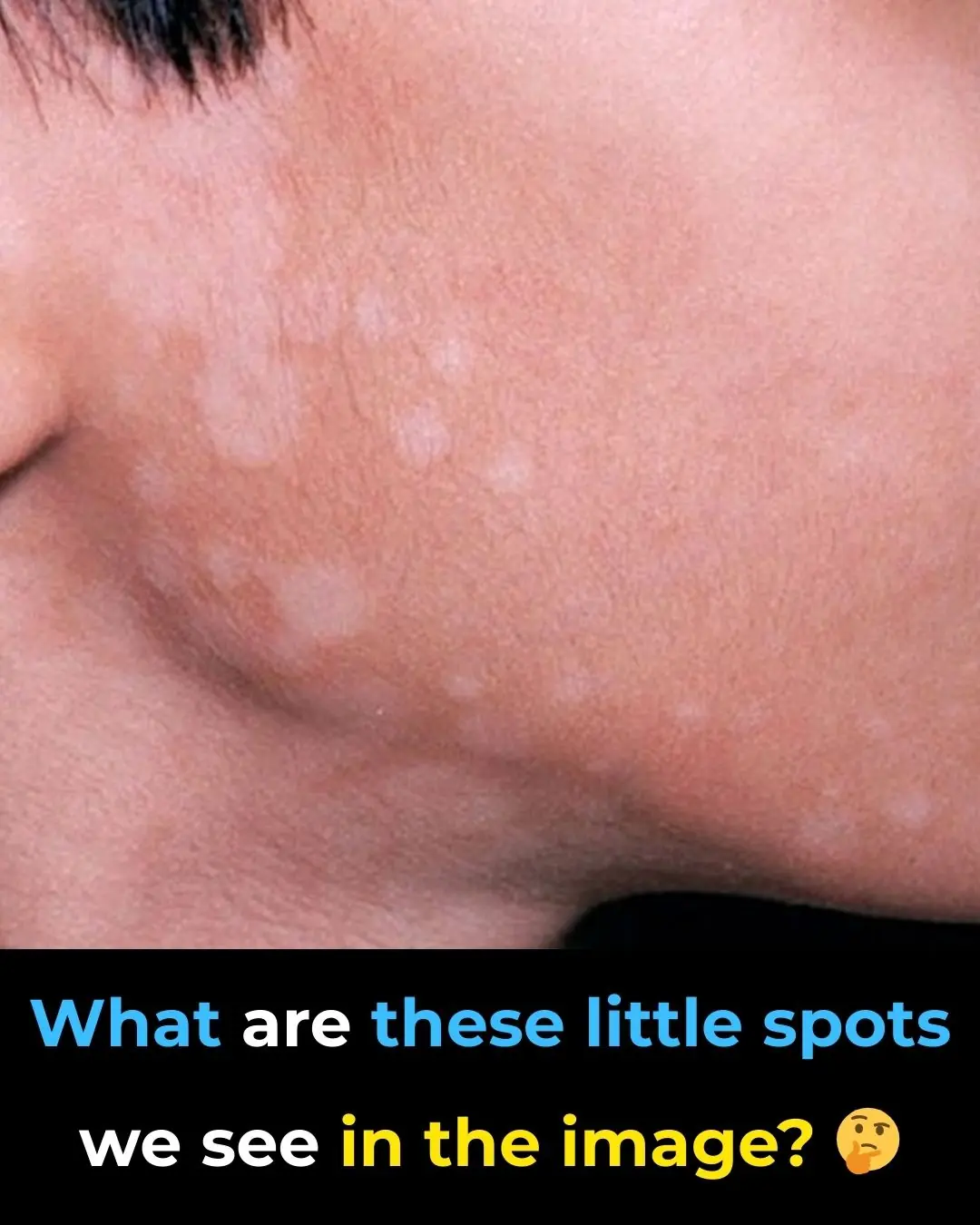
What are these little spots we see in the image? 🤔
I’m Dr. Pau Zúñiga, and I’m here to explain it to you 👩🏻⚕️
What we see in the image is a case of "pityriasis alba," commonly known as "jiotes." It is a common and benign skin disorder.
This condition occurs most frequently in children between the ages of 3 and 16.
⚪️ It is characterized by the presence of poorly defined, scaly, and slightly erythematous (reddened) patches. These lesions eventually resolve, leaving behind hypopigmented (whiter or lighter) areas that gradually regain their normal pigmentation.
The spots are typically found on the face, the upper arms, the neck, or the shoulders; the legs and trunk are less commonly affected. In about half of all patients, the lesions are confined to the face.
But... how is pityriasis alba treated?
Pityriasis alba resolves on its own. Treatment mainly consists of proper general skin care and educating the parents of young patients about the benign nature of this self-limited condition.
☀️ Patients should use adequate sun protection to prevent darkening of the skin's natural color. The lesions of pityriasis alba do not properly repigment with sun exposure, and the surrounding skin darkening may worsen the aesthetic appearance.
Now, tell me if you or someone you know has these little spots. I’ll be reading your responses 👩🏻⚕️
Remember:
👉🏼 This post was made for educational purposes only. It does not replace a medical consultation. For more information and an accurate diagnosis, please visit your trusted healthcare provider.
Additional Information from Reputable Sources:
According to the American Academy of Dermatology (AAD), pityriasis alba is typically considered a mild condition that generally does not require treatment, as it often resolves naturally. However, the condition can sometimes cause concern due to its aesthetic effects, particularly for children. It’s recommended that those affected avoid excessive sun exposure and use moisturizing lotions to soothe the skin.
In a study published by Dermatology Times, researchers found that while pityriasis alba can occur year-round, it is more common during the summer months when children are exposed to the sun, which can lead to further pigmentation changes in the affected areas. Although the condition is benign, educating parents about skin care and the nature of the disorder is crucial to managing the psychological impact on children.
For further reading on managing pityriasis alba, the AAD suggests using gentle skin care products and sunscreen daily, as well as avoiding harsh skin treatments that could aggravate the condition.
Sources:
-
American Academy of Dermatology - www.aad.org
-
Dermatology Times - www.dermatologytimes.com