The Lack of This Mineral Is Causing Age Spots: Discover the Solution
Health 20/01/2026 21:45
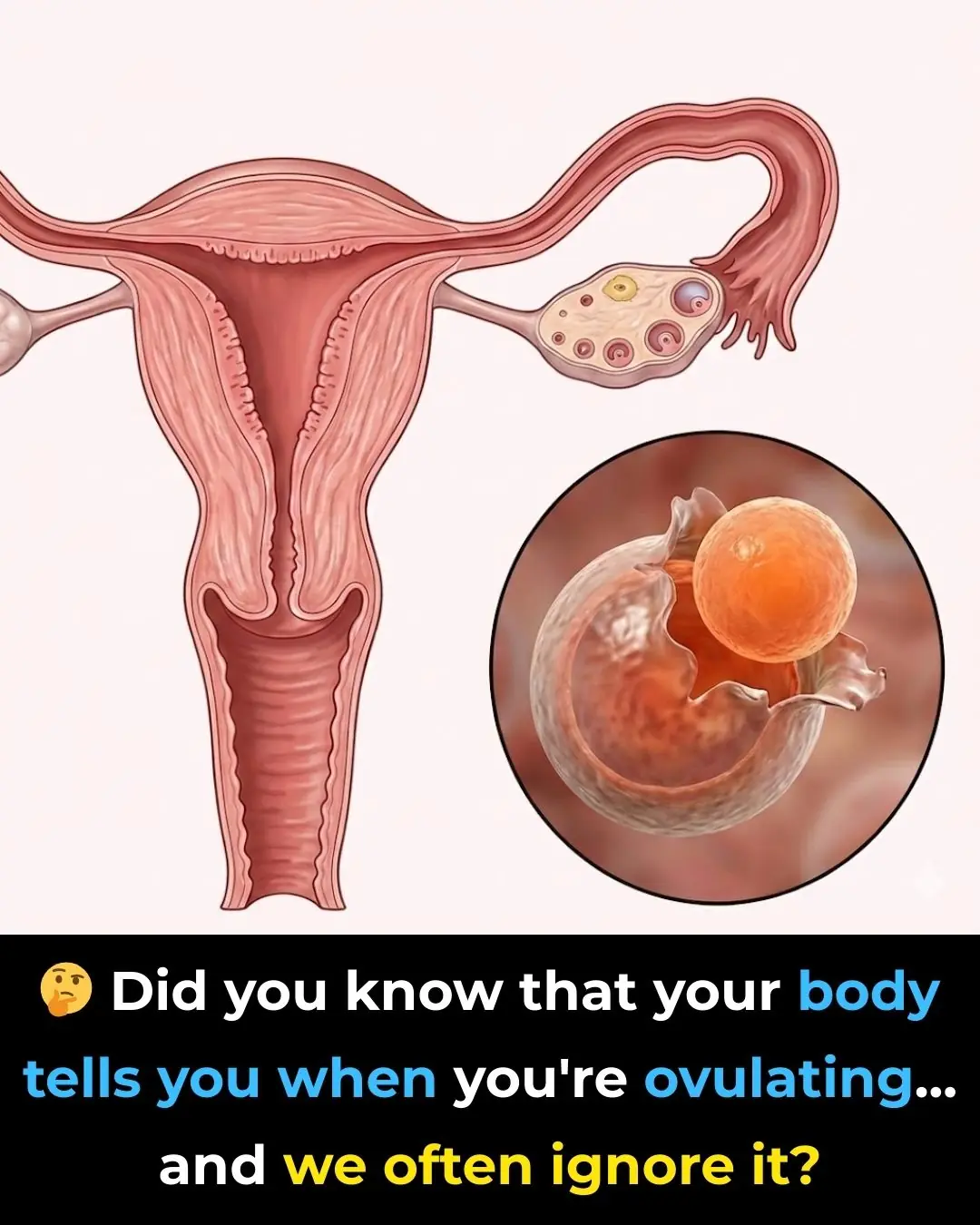
Imagine the uterus as a strong, hardworking muscle.
Each month, it prepares for a potential pregnancy by forming an internal lining called the endometrium. When pregnancy does not occur, the body needs to shed this layer, and that's when the story of cramps begins.
To shed the endometrium, the uterus contracts. These contractions don't occur randomly—they are triggered by substances called prostaglandins, which the body naturally produces during menstruation.
Prostaglandins help the uterus contract to expel the menstrual tissue, but when they are produced in excess:
The contractions become more intense.
Blood flow to the uterine muscle is temporarily reduced.
Pain appears, similar to a “muscle cramp.”
This is why the pain is typically felt in the lower abdomen, and sometimes it radiates to the back or thighs.
Not everyone produces the same amount of prostaglandins. Furthermore, cramps can be more intense when:
Prostaglandin levels are high.
The uterus contracts more forcefully.
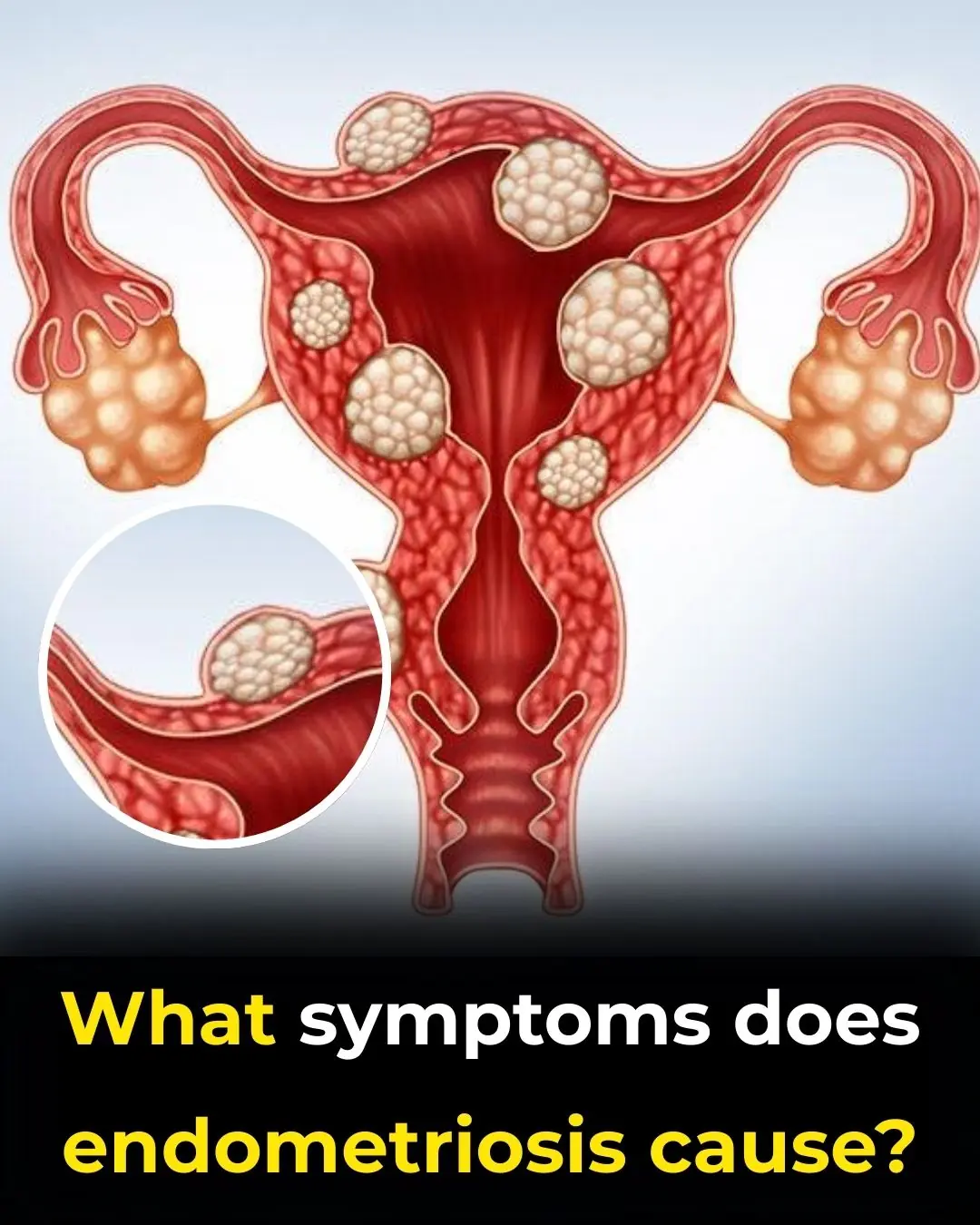
There are conditions like endometriosis, fibroids, or adenomyosis.
Menstruation began at an early age.
There is a family history of intense menstrual pain.
In addition to pain, the following symptoms may also appear:
Diarrhea
Headache
Fatigue
Dizziness
These are also due to the effect of prostaglandins on other parts of the body.
Mild to moderate discomfort can be common, but pain that is debilitating, prevents normal activities, or worsens over time should not be considered normal. A medical evaluation allows healthcare professionals to:
Determine whether the pain is primary or secondary menstrual pain.
Detect any underlying gynecological conditions.
Recommend the most appropriate treatment for each case.
📌 This post is educational and does not replace medical consultation.
If cramps are very intense, persistent, or interfere with your daily life, it’s essential to seek a medical evaluation.