People Shocked After Finally Realizing What McDonald's Sweet 'N' Sour Sauce Is Really Made From
Facts 05/12/2025 12:56
How This Traditional Korean Dish Helped Immune Cells Spot Viruses Without Overreacting
Kimchi, a beloved Korean dish, is often praised for its rich flavor and the gut-friendly probiotics it provides. However, recent scientific research indicates that kimchi’s benefits may extend far beyond digestion. A new clinical trial has shown that regular consumption of kimchi over a period of 12 weeks can positively affect the immune system, particularly in how the body detects viruses while also managing its responses to those threats. This new evidence positions kimchi as more than just a flavorful side dish; it could be a key factor in supporting immune health.

The World Institute of Kimchi (WIK) in South Korea conducted a groundbreaking clinical trial to explore the effects of regular kimchi consumption on immune health. The study involved 39 overweight adults who were divided into three groups. One group consumed a placebo, another consumed kimchi powder made from naturally fermented kimchi, and the third group consumed kimchi powder made from a starter culture. The researchers monitored the participants for 12 weeks, during which they analyzed their blood samples using cutting-edge techniques that can track gene activity in individual immune cells. This enabled them to detect subtle changes that are often missed in standard blood tests.
At the end of the study, results revealed that those who regularly consumed kimchi showed significant improvements in how their immune cells responded to viruses and bacteria. Specifically, antigen-presenting cells, which are crucial for identifying foreign invaders, functioned more efficiently in the kimchi-consuming groups. Another important change occurred in the CD4+ T cells, which play a dual role in immune defense. These cells developed into both “defensive” cells, capable of fighting infections, and “regulatory” cells, which help the immune system return to a balanced state after an attack. Lead researcher Dr. Woo Jae Lee highlighted that kimchi consumption activated defensive immune responses while simultaneously suppressing overactive responses, which is crucial for preventing chronic inflammation or autoimmune issues.

What’s most remarkable about this study is that kimchi did not simply "boost" the immune system; it appeared to fine-tune it. Researchers observed that kimchi acted as a "precision regulator" of the immune response, amplifying immune defense when necessary, and dampening unnecessary reactions. This nuanced approach is vital, especially during times when seasonal illnesses such as colds and flu are prevalent. A hyperactive immune system can cause as much harm as a weak one, potentially leading to chronic inflammation or autoimmune disorders. The study’s findings suggested that kimchi strengthened the body’s ability to recognize pathogens more efficiently, while also supporting regulatory pathways that turn off the immune response once the threat is neutralized.
Moreover, the study uncovered that the fermentation method used in making kimchi could influence its health benefits. Both naturally fermented kimchi and kimchi made with a starter culture had positive effects, but the latter demonstrated more pronounced benefits in terms of antigen recognition and the suppression of excessive immune reactions. This insight suggests that kimchi’s health benefits are not static and can be enhanced through more controlled fermentation methods.
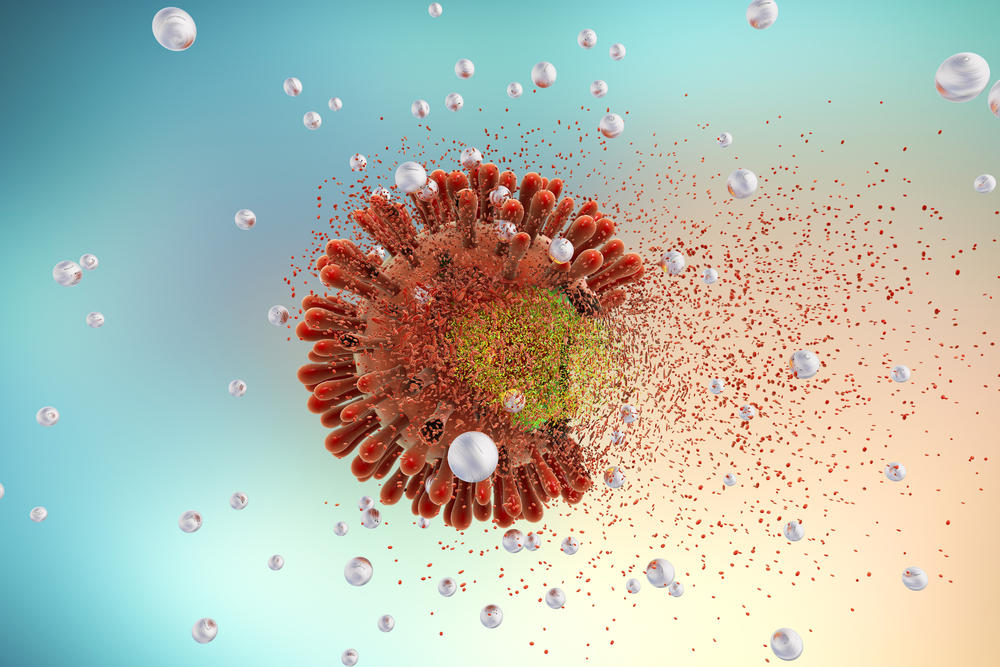
This study is particularly timely, as the world grapples with the recurrence of respiratory infections, such as the flu and common cold, that overlap during certain seasons. In this context, having an immune system that can quickly identify viral threats while avoiding an overreaction is invaluable. The results of the WIK study indicate that kimchi may help immune cells become more discerning and precise in their responses. Antigen-presenting cells were better at detecting viruses, and CD4+ T cells exhibited a more balanced differentiation into defensive and regulatory cells. This balance may enable a faster and more organized immune response, reducing the risk of prolonged inflammation and the complications associated with excessive immune reactions.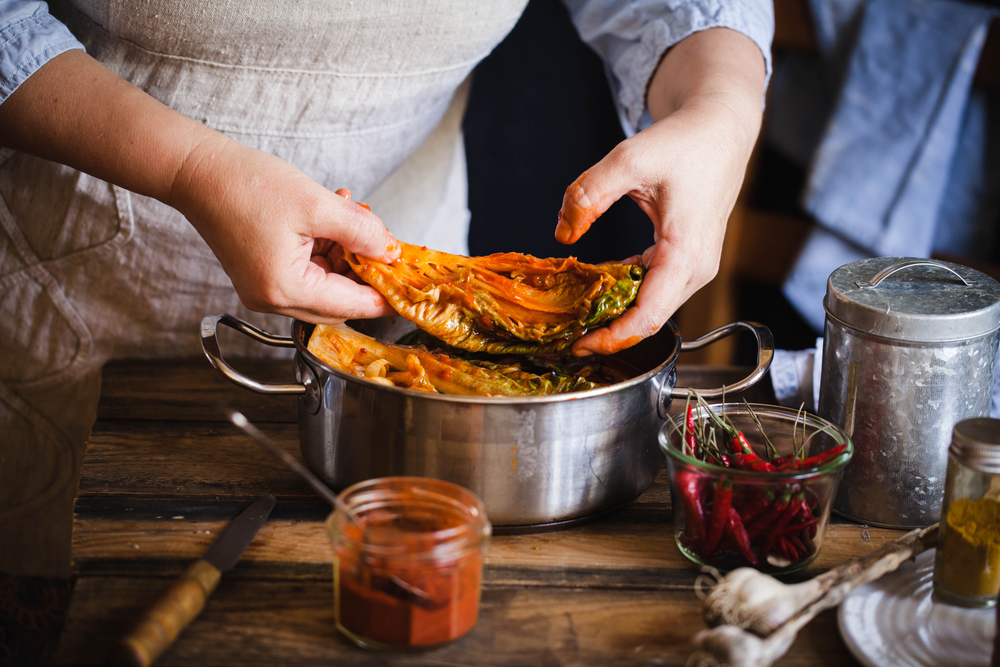
Additionally, the research team noted that these findings could have far-reaching applications. The insights gained from this trial could be instrumental in developing functional foods that help enhance immune responses, improve vaccine effectiveness, and potentially prevent immune-related diseases. Dr. Lee emphasized that the study represents just the beginning, as the institute plans to expand its research internationally to better understand the impact of kimchi and lactic acid bacteria on both immune and metabolic health. This expanding body of research places kimchi at the forefront of discussions about functional foods with scientifically demonstrated immune-boosting properties.

Kimchi’s transformation from a staple side dish in Korean cuisine to a scientifically-backed functional food is a testament to the evolving landscape of nutrition science. The trial was conducted by the World Institute of Kimchi, a research institution funded by the South Korean government and affiliated with the Ministry of Science and ICT. The study was published in npj Science of Food, a peer-reviewed journal that is part of the prestigious Nature portfolio, highlighting the credibility and academic rigor behind the research. This shift from traditional beliefs to scientific validation marks a significant step in recognizing the broader health benefits of everyday foods.
The trial’s design was both modest and meticulous: 39 overweight adults, three groups with different interventions, and 12 weeks of controlled kimchi powder intake compared to a placebo. The study used peripheral blood mononuclear cells and advanced single-cell transcriptomics to monitor how individual immune cells changed their gene expression, uncovering kimchi's subtle yet powerful immunomodulatory effects. Although the study was relatively small and focused on overweight adults, the findings indicate promising immune system benefits that could have broader implications for public health.
The key takeaway from this study is surprisingly simple: small, consistent dietary habits can provide significant immune benefits. Regular consumption of kimchi over 12 weeks helped improve the immune cells' ability to recognize viruses and prevented them from overreacting. This is less about dramatically boosting immunity and more about helping the immune system respond appropriately to threats, then calming down once the danger has passed.
In practical terms, this doesn’t require a drastic change in diet. It could mean incorporating a spoonful of kimchi a few times a week alongside meals like rice, noodles, or salads, as part of an overall healthy lifestyle that includes regular exercise, adequate sleep, and proper vaccination. The research highlights the importance of routine and consistency in supporting immune function over time, rather than relying on short-term, intensive interventions.
However, there are important considerations to keep in mind. Kimchi can be high in salt and spice, which might not be suitable for everyone, particularly those with digestive issues, high blood pressure, or certain medical conditions. It’s always a good idea to consult with a healthcare professional before making significant changes to one’s diet. The broader lesson is clear: while food can’t replace medical treatment, it can quietly support the body’s defenses, one small serving at a time.
The World Institute of Kimchi’s study offers new insights into how fermented foods like kimchi can play a role in immune health. While kimchi may not be a cure-all, it is clear that this traditional Korean dish has the potential to support immune function and help the body maintain balance in the face of everyday viral threats. As research continues to grow, kimchi may become a key player in the development of functional foods designed to promote overall health.
Sources:
"How Kimchi Boosts Immune Health." npj Science of Food. (Published by Nature).
Dr. Woo Jae Lee, World Institute of Kimchi, South Korea.