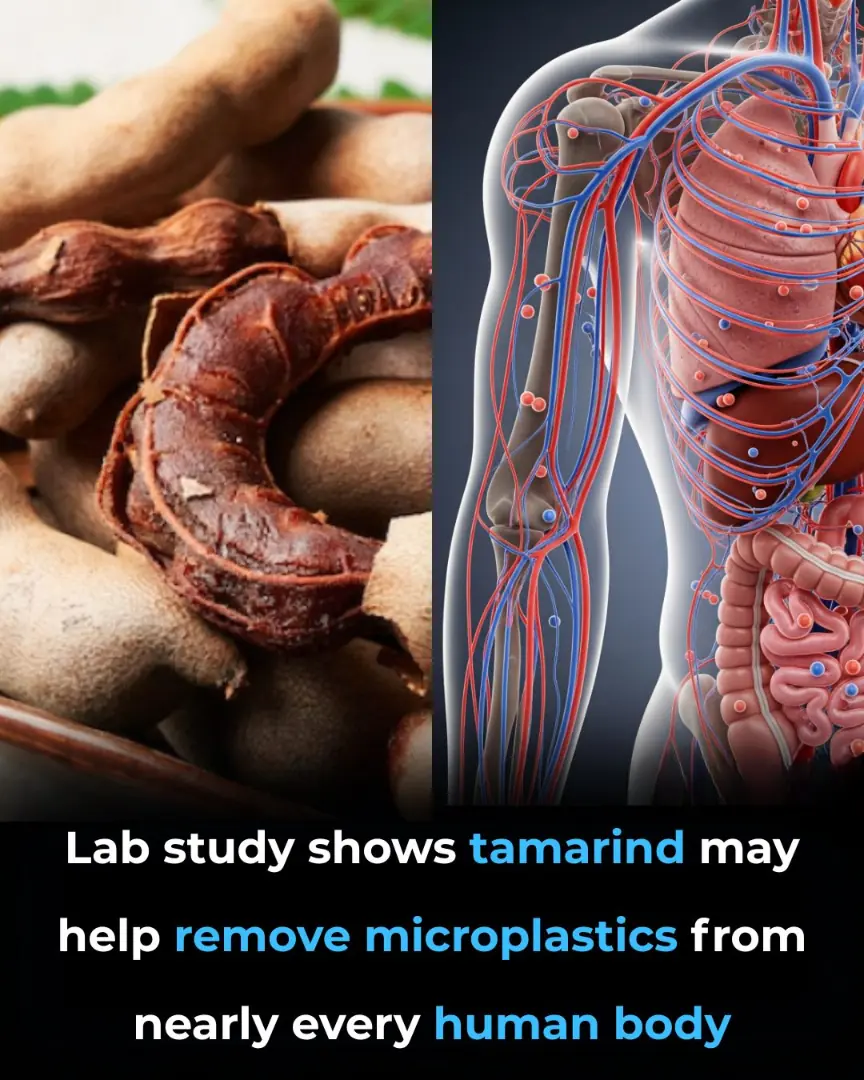
Tamarind: A Promising Natural Solution to Help the Body Clear Microplastics
Facts 05/12/2025 15:08
In August 2024, the African elephant known as Charley was finally freed — ending nearly four decades of captivity. Once the last elephant held in a South African national zoo, Charley’s journey from wild calf to circus performer to solitary zoo resident has become a powerful symbol of change in animal welfare.
Charley was born in about 1982 in Hwange National Park, Zimbabwe. As a calf — barely two years old — he was captured along with other young elephants and transported to South Africa in 1984, where he was forced into the circus for public entertainment. After about sixteen years of performing for crowds, he was moved in May 2000 to a wildlife facility, and in July 2001 he landed at the National Zoological Gardens, Pretoria (Pretoria Zoo), where he remained for more than two decades.
During his time at the zoo, Charley endured extreme isolation — particularly after the deaths of his four fellow elephants — and was forced to live alone in a barren enclosure, far from the savannas he was born to roam. He exhibited clear signs of distress: repetitive head-swaying, a behavior commonly associated with mental suffering in captive elephants.
For many years, animal welfare organisations and advocates called for Charley’s release, arguing that no elephant should live its life in isolation just for human entertainment. In response, a collaboration formed between FOUR PAWS, the EMS Foundation, and Shambala Private Game Reserve. In mid-2024, under pressure from public sentiment and after long negotiations, the authorities approved a plan to retire Charley to a much more suitable environment.
On 19 August 2024, Charley was carefully crate-trained, transported from Pretoria to Limpopo Province, and released into the first phase of his new life at Shambala, a 10,000-hectare reserve inhabited by other elephants. That relocation was celebrated widely as a landmark for animal welfare in South Africa — Charley was finally offered the space and social context appropriate for an elephant.
Since arriving at Shambala, Charley — now sometimes referred to by his new name, Duma — has begun rediscovering natural behaviors. He was first allowed to roam a one-hectare savanna enclosure, where under ongoing care he is gradually reintegrating into a life closer to the wild: foraging for food, enjoying his first mud bath in decades, getting foot-care by rubbing on rocks, and even trumpeting for the first time since his release.
His caretakers report that he is adapting slowly but positively — building strength, regaining appetite, and showing signs of improved mental health. They believe that in time, Duma may join other elephants in the reserve, or choose a solitary life, as is natural for mature male elephants in the wild.
Charley’s release represents more than just the liberation of a single elephant. It marks a hopeful shift in how humans treat captive wild animals. The retirement of South Africa’s last zoo elephant closes a painful chapter — and opens a new one that respects the dignity, freedom, and wellbeing of animals that once existed solely as exhibits.