
Facts 05/12/2025 15:08
Tamarind: A Promising Natural Solution to Help the Body Clear Microplastics
A captivating new laboratory study has revealed that tamarind, a popular tropical fruit, might play a crucial role in helping the human body clear microplastics. These tiny plastic particles, which are found in food, water, and the environment, have been detected in nearly every human tested, raising concerns about their long-term health effects. This discovery has sparked a wave of interest in tamarind's potential as a natural solution to an increasingly widespread issue.
Microplastics are commonly found in various food products, beverages, and even the air we breathe. They are typically less than 5 millimeters in size and have raised alarms due to their persistent presence in the environment and human bodies. The study, conducted in a laboratory setting, suggests that tamarind contains specific compounds that bind to microplastics within the digestive system, helping the body naturally eliminate them. In controlled experiments, these compounds were found to accelerate the breakdown and removal of microplastics, suggesting that incorporating tamarind into one's diet could help reduce the accumulation of these harmful particles over time.
The presence of microplastics in the human body has been linked to various health concerns, including inflammation, oxidative stress, and potential disruption of gut health. Though the long-term impacts of microplastics on human health are still under investigation, the potential to reduce exposure and facilitate their removal is a critical step forward. Tamarind, which is already known for its tangy flavor and numerous nutritional benefits, may now be considered as part of the solution to this modern environmental challenge.
The study emphasizes the broader potential of dietary interventions in combating environmental pollutants. While tamarind shows promise, scientists are careful to note that it should not be seen as a miracle cure. Instead, they advocate for a holistic approach that includes maintaining a healthy diet, reducing plastic exposure, and staying informed about environmental hazards. This multifaceted strategy is essential to safeguard human health in the face of growing pollution levels.
Tamarind is widely available and can be consumed in various forms, such as fresh fruit, juice, or incorporated into culinary recipes. In addition to its potential to aid in the removal of microplastics, tamarind is already valued for its digestive benefits, immune-boosting properties, and its ability to provide a rich source of antioxidants. Its incorporation into a balanced diet could thus have a range of positive effects beyond simply addressing microplastic exposure.
This research opens up new possibilities for understanding how natural foods may contribute to mitigating the hidden risks of pollution in our bodies. With further study, tamarind could become an accessible and effective tool in the fight against microplastic accumulation, offering a simple yet powerful means of protecting health in an increasingly polluted world.
Sources:
-
"Microplastics in the Human Body: A Growing Concern," Environmental Health Perspectives, 2023.
-
"Tamarind and Its Health Benefits: More Than Just a Tangy Fruit," Journal of Food Science and Technology, 2022.
News in the same category
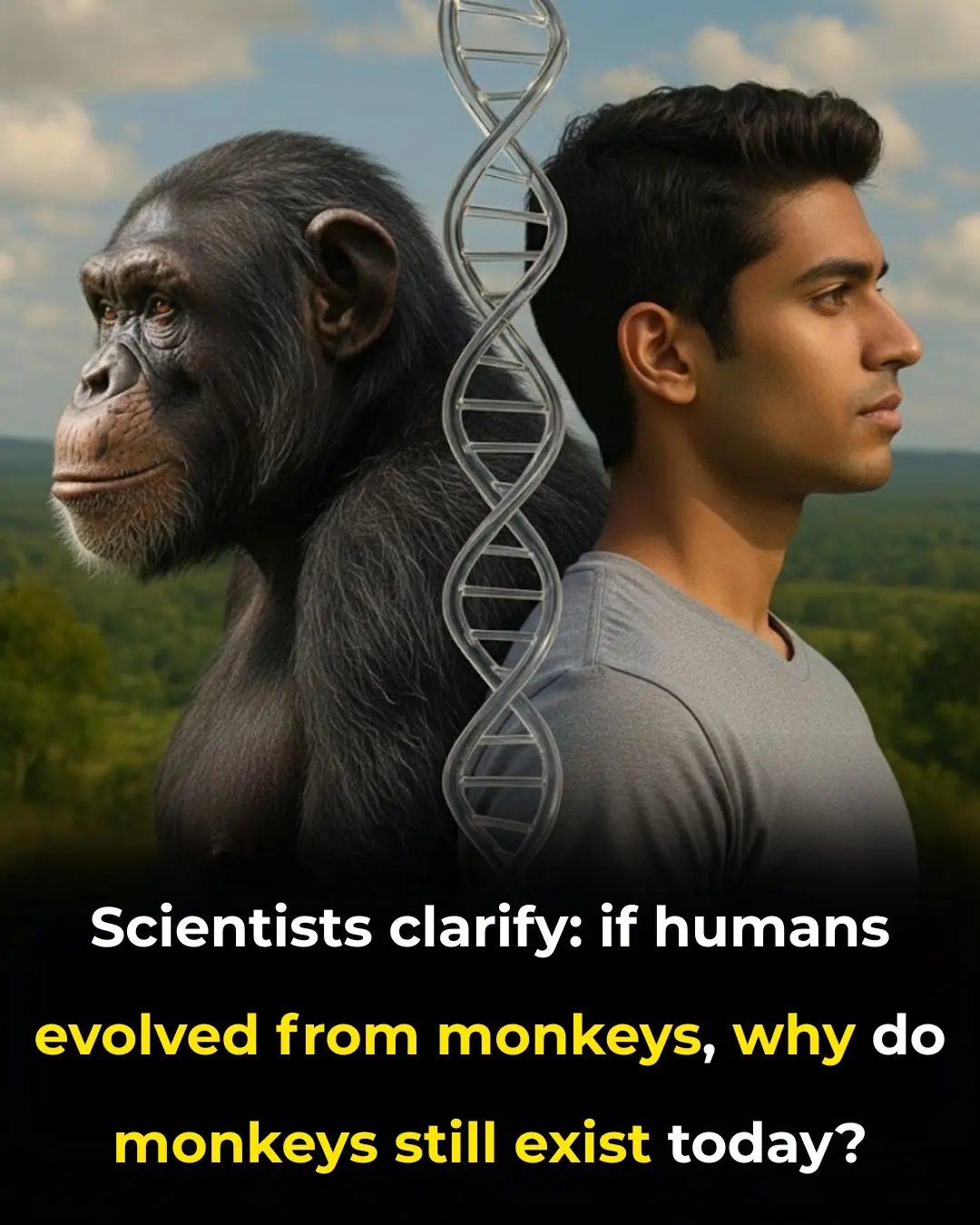
Debunking the Myth: Why Humans Did Not Evolve from Monkeys
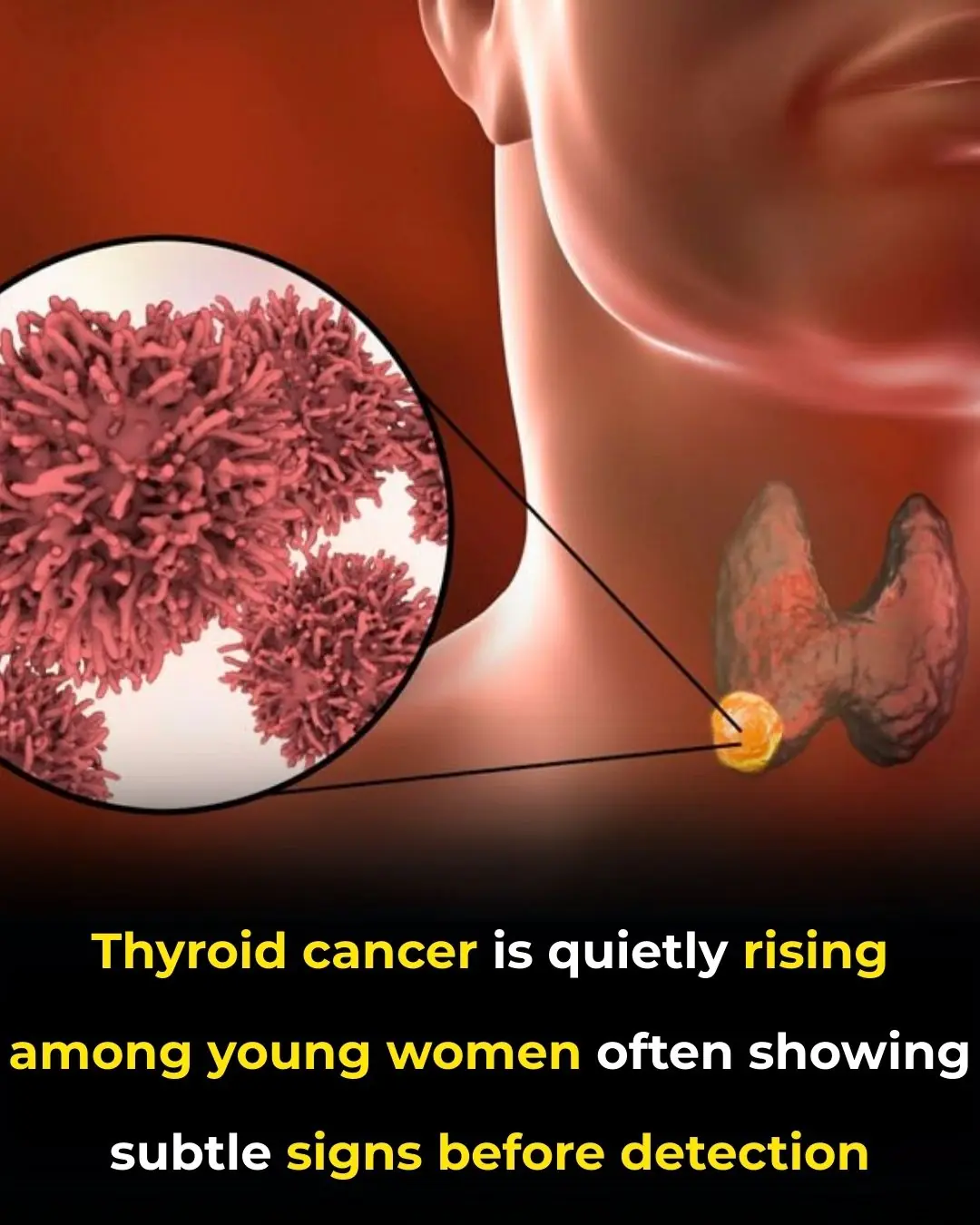
The Hidden Climb of Thyroid Cancer in Younger Women

56 Percent Of Americans Don’t Think We Should Teach Arabic Numerals In School

People Shocked After Finally Realizing What McDonald's Sweet 'N' Sour Sauce Is Really Made From

Eating Kimchi For 12 Weeks Helped People's Immune Cells Get Better At Spotting Viruses While Also Stopping Overreactions

Drunk Raccoon Turns Liquor Store into His Personal Bar Before Passing Out in the Bathroom

Turning Chicken Manure into Renewable Energy: The Netherlands' Circular Economy Solution
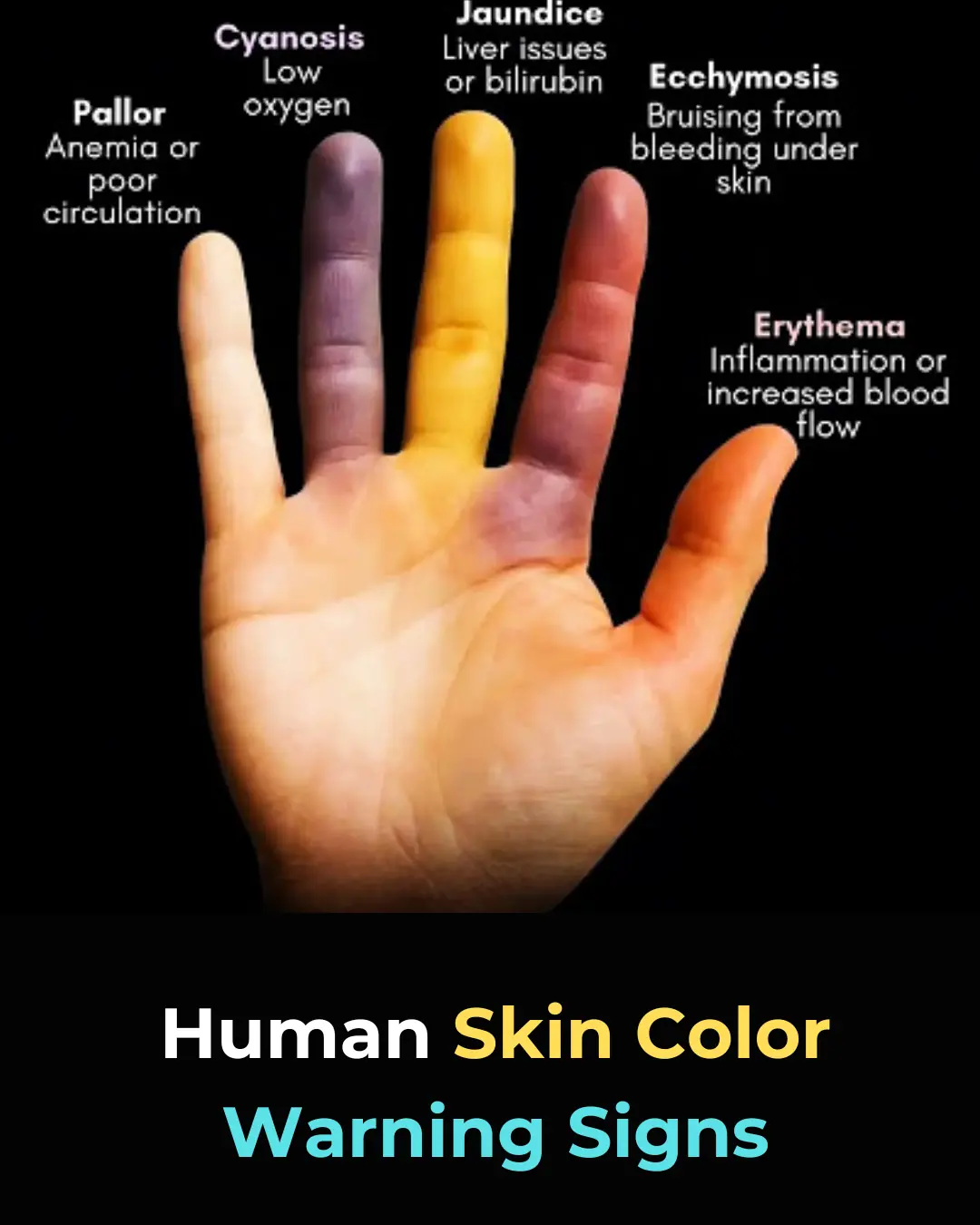
Understanding Skin Color Changes as Early Warning Signs of Health Issues

Rogfast Tunnel: Norway's Record-Breaking Undersea Highway Project

Expanding Human Perception: Exploring the Limits of Vision and Hearing Through Technology
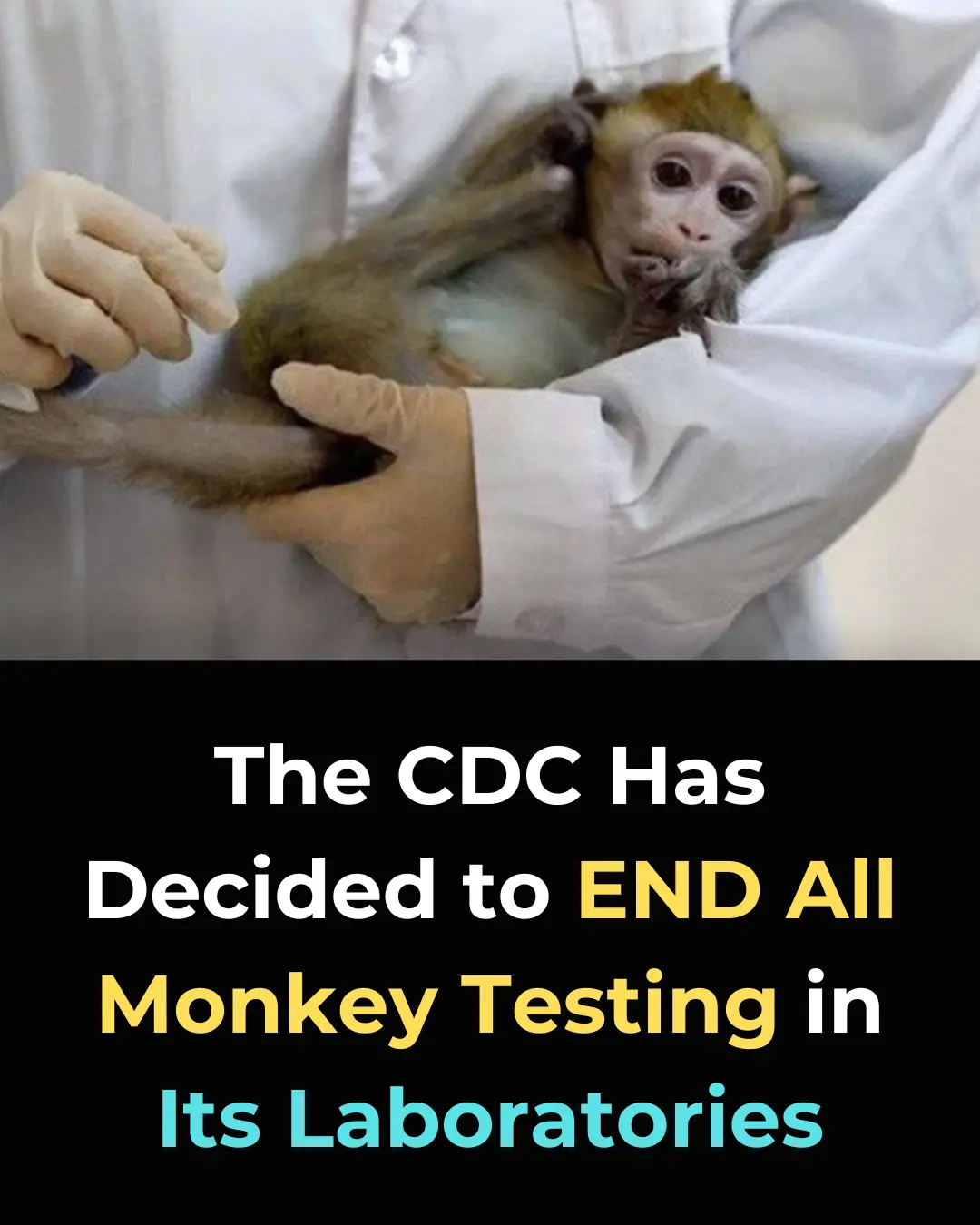
CDC's Historic Decision to End Monkey Testing: A Shift Towards More Humane and Advanced Research Models

Teen Inventor Creates Battery-Free Flashlight Powered Only by Human Body Heat

The Boy Who Walked Through Ice: How Wang Fuman Inspired the World

From –4°F to Spring in Minutes: The Incredible 1943 Spearfish Temperature Shock

Saman Gunan: The Diver Who Gave His Life to Save the Wild Boars Team
From Circus to Sanctuary: Charley the Elephant Finds Freedom After Four Decades

10 Heartbreaking Reasons Children Stop Visiting Parents

8 Mind-Bending Optical Illusions That Test Your Level of Self-Awareness
News Post
A Heartwarming Tale of Workplace Compassion: A Father's 262 Days of Paid Leave
Facts 05/12/2025 15:03
Debunking the Myth: Why Humans Did Not Evolve from Monkeys
Facts 05/12/2025 14:52
The Hidden Climb of Thyroid Cancer in Younger Women
Facts 05/12/2025 14:41
56 Percent Of Americans Don’t Think We Should Teach Arabic Numerals In School
Facts 05/12/2025 14:39

From Rain to Runway: How Singapore’s Changi Airport Saves Over 8 Million Gallons of Water a Year
News 05/12/2025 14:20
People Shocked After Finally Realizing What McDonald's Sweet 'N' Sour Sauce Is Really Made From
Facts 05/12/2025 12:56
Eating Kimchi For 12 Weeks Helped People's Immune Cells Get Better At Spotting Viruses While Also Stopping Overreactions
Facts 05/12/2025 12:53
Drunk Raccoon Turns Liquor Store into His Personal Bar Before Passing Out in the Bathroom
Facts 05/12/2025 12:51
Turning Chicken Manure into Renewable Energy: The Netherlands' Circular Economy Solution
Facts 05/12/2025 12:43
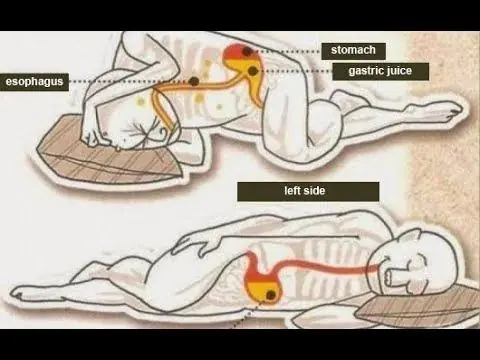
Why Sleeping on Your Left Side Is the Best Thing You’re Not Doing
Health 05/12/2025 12:41

Rising Tide of Change: The World’s Coastlines Are Entering a New Era
News 05/12/2025 12:38

The Girl Who Said No — And Changed a Nation Forever
News 05/12/2025 12:35
Understanding Skin Color Changes as Early Warning Signs of Health Issues
Facts 05/12/2025 12:19
Rogfast Tunnel: Norway's Record-Breaking Undersea Highway Project
Facts 05/12/2025 11:56
Expanding Human Perception: Exploring the Limits of Vision and Hearing Through Technology
Facts 05/12/2025 11:37
CDC's Historic Decision to End Monkey Testing: A Shift Towards More Humane and Advanced Research Models
Facts 05/12/2025 11:24
Teen Inventor Creates Battery-Free Flashlight Powered Only by Human Body Heat
Facts 05/12/2025 09:31
The Boy Who Walked Through Ice: How Wang Fuman Inspired the World
Facts 05/12/2025 09:27
From –4°F to Spring in Minutes: The Incredible 1943 Spearfish Temperature Shock
Facts 05/12/2025 09:24