White Spots on the Skin: Causes, Types, and When to See a Doctor
Health 07/02/2026 20:11
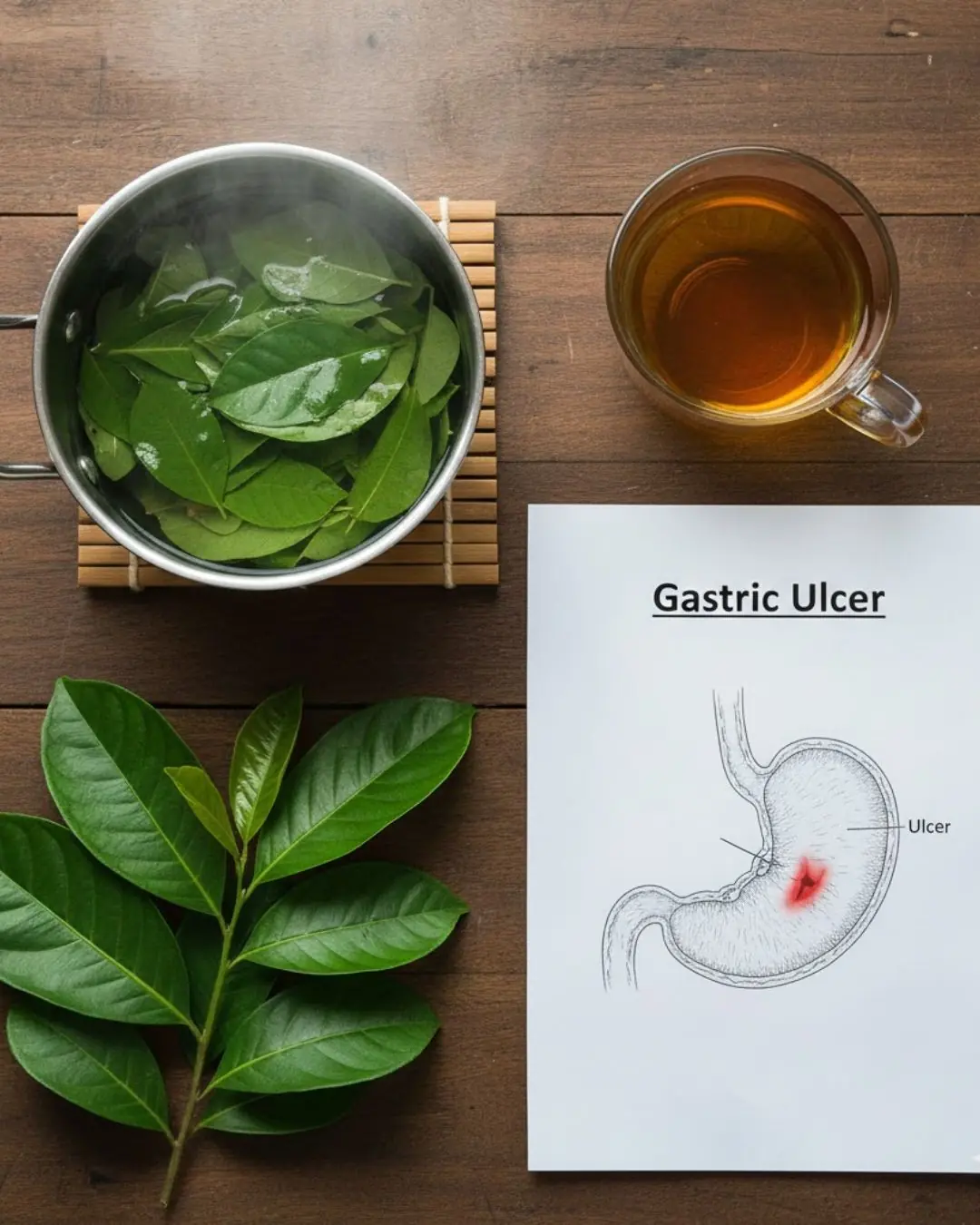
For generations, people in many parts of Asia, Africa, and Latin America have turned to guava leaves as a natural remedy for digestive problems. From diarrhea and stomach pain to gastritis and ulcers, this humble leaf has earned a reputation as a powerful herbal ally. Recently, guava leaf tea has been getting attention online for its potential role in supporting recovery from stomach ulcers and even H. pylori infection.
So what’s behind the hype? And how do you actually prepare it? Let’s take a closer look.
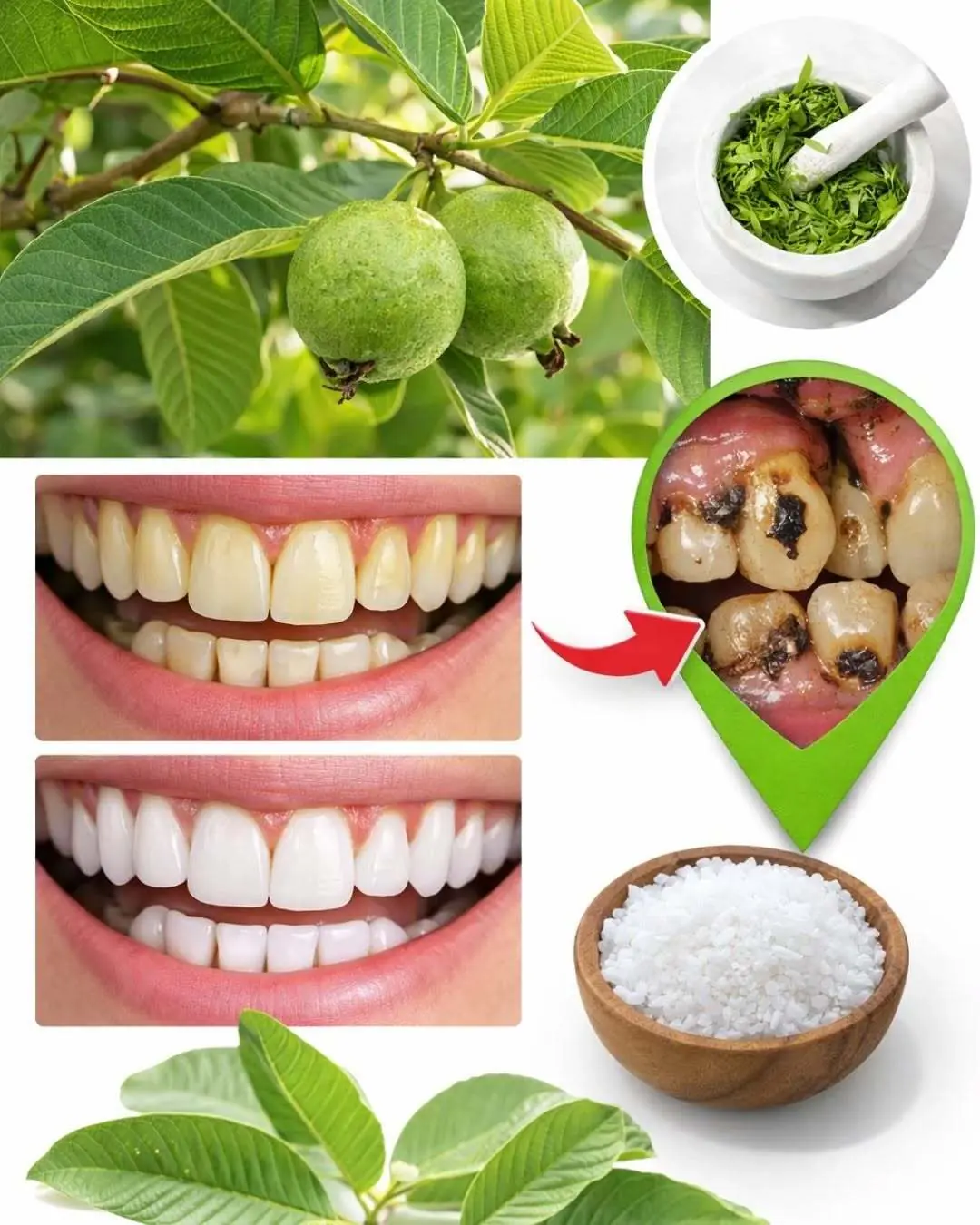
Guava leaves come from the guava tree (Psidium guajava), a tropical plant best known for its sweet, fragrant fruit. The leaves are dark green, slightly leathery, and rich in natural compounds such as:
Flavonoids (especially quercetin)
Tannins
Polyphenols
Essential oils
In traditional medicine, guava leaves have been used for digestive health, wound healing, blood sugar support, and oral care. One of their most popular uses is in the form of guava leaf tea.
Guava leaves are rich in tannins, which have astringent properties. Traditionally, astringent herbs are used to help:
Reduce irritation in the digestive tract
Calm inflamed stomach lining
Support the healing of minor ulcers and gastritis
This is why many people drink guava leaf tea when they have stomach pain, burning, or discomfort.
Several laboratory studies have shown that guava leaf extracts have antibacterial activity against a range of microbes. This is one reason guava leaves are traditionally used for diarrhea and gut infections.
H. pylori is a bacteria linked to gastritis and stomach ulcers. While guava leaves are not a replacement for medical treatment, some people use guava leaf tea as a supportive, natural approach alongside proper care.
Guava leaves contain powerful antioxidants like quercetin, which may help reduce inflammation and oxidative stress in the stomach. Less inflammation can mean:
Less pain and burning
Better comfort after meals
A stomach environment that’s more supportive of healing
In many cultures, the recipe is very simple:
A handful of fresh guava leaves (or 1–2 tablespoons dried leaves)
2–3 cups of water
Wash the guava leaves thoroughly.
Bring the water to a boil.
Add the leaves and let them boil for 10–15 minutes.
Turn off the heat and let it cool slightly.
Strain and drink warm.
Many people drink one cup per day for about two weeks as part of a gentle digestive support routine.
The taste is slightly bitter and herbal, but most find it easy to drink—especially if you’re used to herbal teas.
Research on guava leaves suggests they have:
Antibacterial properties
Anti-inflammatory effects
Antioxidant activity
Some studies have looked at guava leaf extract for digestive issues, including diarrhea and gut infections, with promising results. However, it’s important to be honest: there is no strong clinical evidence that guava leaf tea alone can cure H. pylori or stomach ulcers.
Modern medicine usually treats H. pylori with specific antibiotics and acid-reducing medication. Guava leaves should be seen as a supportive, traditional remedy, not a replacement for proper diagnosis and treatment.
People who use guava leaf tea for digestion often report:
Less stomach discomfort
Reduced bloating
Calmer digestion
Better tolerance of meals
A general “lighter” feeling in the stomach
Again, these are traditional and anecdotal experiences, but they explain why this remedy has stayed popular for so long.
Guava leaf tea is generally considered safe in moderate amounts for most people. Still, keep these points in mind:
If you have severe stomach pain, bleeding, or ongoing symptoms, see a doctor first.
If you are pregnant, breastfeeding, or taking medication, talk to a healthcare professional before using herbal remedies regularly.
Do not stop prescribed treatment for H. pylori or ulcers without medical advice.
Think of guava leaf tea as a supportive habit, not a miracle cure.
There’s something powerful about simple, traditional remedies. Guava leaves are:
Easy to find in many countries
Cheap and natural
Simple to prepare
Backed by both tradition and some scientific interest
For people looking to support their stomach health naturally, guava leaf tea is a gentle, time-tested option worth considering.
Guava leaf tea has a long history in traditional medicine for digestive health, stomach pain, and gut infections. While it shouldn’t replace proper medical treatment—especially for H. pylori or serious ulcers—it can be a comforting, supportive herbal drink as part of a healthy routine.
Sometimes, the best remedies really are the simplest ones: a few leaves, some hot water, and a daily habit that helps your body feel a little better. 🌿