Pumpkin Seed Treatment for Intestinal Parasites: How It Works and How to Use It Safely
Health 07/02/2026 20:08
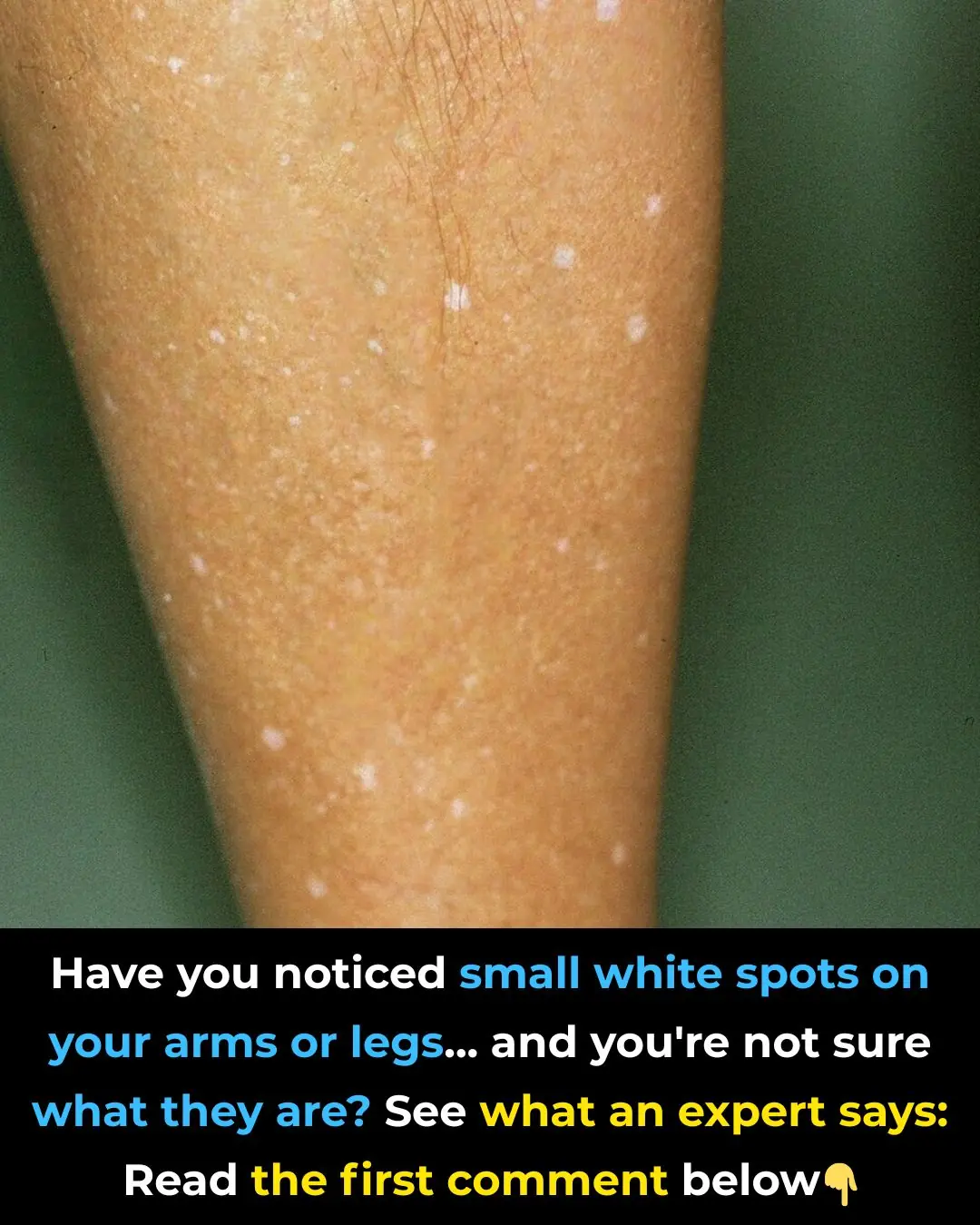
White spots on the skin are a common concern. Medically, they’re known as hypopigmentation or depigmentation, which means there is a partial or complete loss of melanin—the natural pigment that gives color to your skin, hair, and eyes.
These spots can appear for many reasons, ranging from harmless and temporary conditions to chronic or autoimmune disorders. Most cases are not dangerous, but some do require medical evaluation to confirm the diagnosis and rule out underlying problems.
Below are the most common causes of white spots on the skin, explained in a simple and practical way.
This is one of the most common causes of small white spots, especially after the age of 40–50.
Key features:
Small, round white spots (2–6 mm)
Usually appear on arms, legs, hands, and upper back
More common in people with lighter skin
Caused by long-term sun exposure and natural aging of the skin
The pigment-producing cells (melanocytes) stop working in those areas
No itching or pain
Harmless, but typically permanent
These spots are mainly a cosmetic issue and not a health risk.
This is a fungal skin infection caused by yeasts of the Malassezia genus, which normally live on the skin but can overgrow in hot, humid, or sweaty conditions.
Key features:
White, light brown, or pink patches
Common on chest, back, neck, and upper arms
More noticeable after sun exposure (the fungus blocks normal tanning)
May cause mild itching or fine scaling
Treatable with antifungal creams or shampoos
This condition is common and not dangerous, but it often comes back in warm climates.
Pityriasis alba is considered a mild form of eczema (atopic dermatitis) and is very common in children and teenagers, though adults can get it too.
Key features:
Light-colored, round or oval patches
Dry, slightly scaly surface
Most often on the face (cheeks), neck, and arms
Associated with dry skin, allergies, and sun exposure
More visible in darker or tanned skin
Usually improves over time with moisturizers and gentle skin care
This is a benign condition and mainly a cosmetic issue.
Vitiligo is a chronic autoimmune disease in which the immune system attacks and destroys melanocytes.
Key features:
Well-defined, bright white patches
Often symmetrical
Common areas: hands, face, elbows, knees, genitals
Spots may slowly expand or merge
Can appear at any age, often before 30–40
Not contagious and not physically painful
May be associated with other autoimmune conditions (such as thyroid disease)
Vitiligo requires medical diagnosis and may be treated with topical medications, phototherapy, or other dermatological treatments.
This happens after the skin has been injured or inflamed, such as with:
Acne
Burns
Eczema
Psoriasis
Wounds or rashes
Key features:
Lighter patches where the skin was previously damaged
Caused by temporary disruption of melanocyte function
Usually improves gradually over time
Sun protection helps prevent contrast from becoming more noticeable
Certain bacterial or fungal infections (rare in most regions)
Nutritional deficiencies (vitamin B12, copper, zinc – uncommon)
Overuse of strong topical corticosteroids
Genetic conditions (partial albinism, piebaldism – rare)
Autoimmune skin diseases like lichen sclerosus or morphea
Most white spots are harmless, but medical evaluation is important if you notice:
Rapidly spreading or changing patches
Symmetrical and progressive pigment loss (possible vitiligo)
Intense itching, scaling, redness, or inflammation
Sudden appearance after age 50
White spots along with other symptoms (hair loss, extreme fatigue, thyroid issues)
Spots affecting the genitals, mouth, or around the eyes and lips
A dermatologist may use tools like a Wood’s lamp, skin scraping, or sometimes a biopsy to confirm the diagnosis.
Use broad-spectrum sunscreen (SPF 50+) daily on affected areas
Keep skin well moisturized (ceramides or urea-based creams help)
Avoid scratching and harsh products
Do not use aggressive home remedies (like pure lemon or vinegar), as they can worsen irritation and pigment problems
Be consistent with gentle skin care
White spots on the skin are usually caused by sun-related hypomelanosis, fungal infections (tinea versicolor), dry-skin conditions like pityriasis alba, or post-inflammatory changes. These are mostly benign. However, vitiligo and other autoimmune conditions need proper diagnosis and medical guidance.
With the right evaluation and care, most causes can be identified easily and managed appropriately—whether the goal is treatment, prevention, or simply reassurance.