A 25-Year-Old Liver Cancer Survivor Shares: “5 Foods You Must Avoid — No Matter How Much You Crave Them”
Tips 07/02/2026 16:35
Lemons are widely used in everyday life — from making refreshing drinks to enhancing the flavor of countless dishes. They are also well known for their natural cleaning and deodorizing properties. Most people squeeze out the juice and discard the peel without realizing that lemon peels themselves are rich in essential oils and beneficial compounds that can be repurposed in many practical ways around the home.
One of the simplest and most effective methods is soaking lemon peels in vinegar to create a versatile natural solution. This easy, low-cost mixture can help with cleaning, deodorizing, and even pest control — all while reducing reliance on harsh chemical products.

In many households, vinegar and lemons are already kitchen staples. When combined, they create a powerful natural cleaning agent. Vinegar contains acetic acid, which helps dissolve grease, mineral buildup, and bacteria. Lemon peels contain essential oils such as limonene, known for their degreasing, antibacterial, and deodorizing properties.
Together, they form an eco-friendly solution that is safe, affordable, and highly effective.
Fresh lemon peels (preferably organic; wash thoroughly and dry completely)
White vinegar or apple cider vinegar
A clean glass jar with a tight lid
Place clean, dry lemon peels into a glass jar.
Pour vinegar over the peels until they are fully submerged.
Seal the jar tightly and store it in a cool, shaded place away from direct sunlight.
Let the mixture steep for 2–3 weeks.
After soaking, strain out the peels and transfer the liquid into a spray bottle or clean glass container for use.
For extra fragrance and enhanced properties, you may add orange peels, grapefruit peels, ginger slices, lemongrass, or mint leaves during the soaking process.
During the infusion period, mild fermentation can occur. Opening the lid briefly every few days to release pressure and gently shaking the jar can help the process develop evenly and prevent gas buildup.
After soaking, the liquid becomes a powerful all-purpose cleaner.
Wiping kitchen counters and stovetops
Cleaning glass surfaces and mirrors
Removing grease from cooking areas
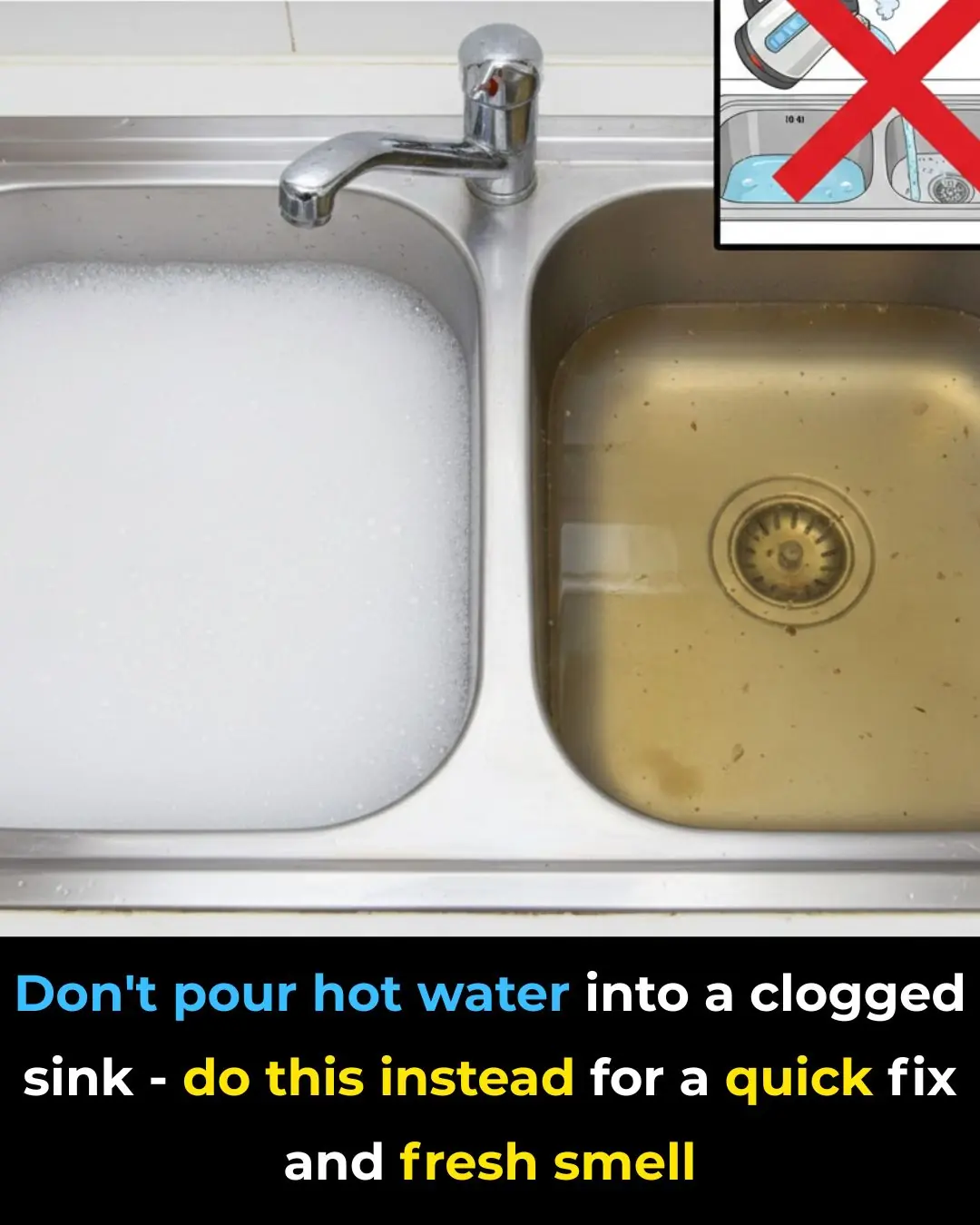
Deodorizing sinks and drains
The citrus oils help cut through oil and grime, while vinegar disinfects and neutralizes odors. The result is a fresh-smelling, chemical-free cleaning spray that can replace many commercial products.
For general cleaning, you can dilute the solution with water at a 1:1 ratio.
Lemon peel vinegar also works as a natural air purifier. The essential oils in lemon peels offer mild antibacterial properties and a refreshing scent, while vinegar neutralizes odor-causing molecules instead of simply masking them.
Place a small bowl of the solution in kitchens, bathrooms, or damp corners.
For faster fragrance diffusion, gently heat the solution on the stove (do not boil).
Use it in a spray bottle to lightly mist areas that need refreshing.
The natural citrus aroma can reduce stuffiness and create a cleaner indoor atmosphere without synthetic fragrances.
After cooking, hands often retain odors from fish, onions, garlic, or grease. This mixture can act as a natural deodorizing rinse.
Dilute the solution with warm water at a 1:3 ratio.
Soak or rinse hands for 1–2 minutes.
Rinse again with clean water.
Apply moisturizer or coconut oil afterward to prevent dryness.
Result: Softer, fresher-smelling hands without harsh chemical soaps.
Lemon peel contains limonene, a compound that many insects such as mosquitoes, ants, and cockroaches strongly dislike. When combined with vinegar, it forms a scent barrier that discourages pests from entering your home.
Pour into a spray bottle.
Spray around windows, door frames, kitchen corners, trash bins, and baseboards.
Lightly mist curtains or fabric surfaces during mosquito season.
Since the mixture contains no synthetic pesticides, it is generally safer for households with children and pets compared to chemical insect repellents.
This mixture can also eliminate stubborn odors in household items.
Soak a cotton pad with the solution and place it inside shoes, closets, or trash bins.
Add a small cup to the final rinse cycle in your washing machine to neutralize odors and soften fabric naturally.
The light citrus scent keeps clothing fresh without the need for commercial fabric softeners.
While this solution should not be consumed due to its high acidity, replacing industrial cleaning chemicals with natural alternatives can reduce indoor chemical exposure.
Lower exposure to harsh cleaning agents may help reduce irritation to the skin, lungs, and eyes — particularly for individuals with allergies, asthma, or chemical sensitivities. By minimizing toxic residues in the home, you create a safer living space overall.
Even beyond vinegar infusion, lemon peels themselves have several practical applications.
You can grate fresh lemon zest and store it in the freezer for later use.
Wash lemons thoroughly and dry completely.
Grate only the outer yellow or green layer (avoid the white pith, which tastes bitter).
Store in an airtight container or spread flat in a zip-top bag.
Press lightly to divide into portions for easy breaking later.
Frozen zest is perfect for soups, marinades, baked goods, sauces, and tea.
Sun-dried lemon peels can be used in cooking, herbal teas, or home fragrance.
Burning dried lemon peel produces a pleasant aroma that can:
Freshen indoor air
Reduce damp odors
Help deter insects
Lemon peels can simplify appliance cleaning.
Place lemon peels in a microwave-safe bowl.
Add water (fill halfway, not full).
Heat on high for about 5 minutes until steam forms.
Let it sit briefly before opening.
Carefully remove the bowl and wipe the interior clean.
The steam loosens grease and food residue, while the lemon scent removes unpleasant odors.
Soaking lemon peels in vinegar is a simple, sustainable, and cost-effective solution that every household can try. With just inexpensive ingredients, you can create a powerful multi-purpose helper that cleans surfaces, neutralizes odors, repels insects, and reduces chemical exposure — all while being environmentally friendly.
Sometimes, the most effective solutions are already sitting in your kitchen.